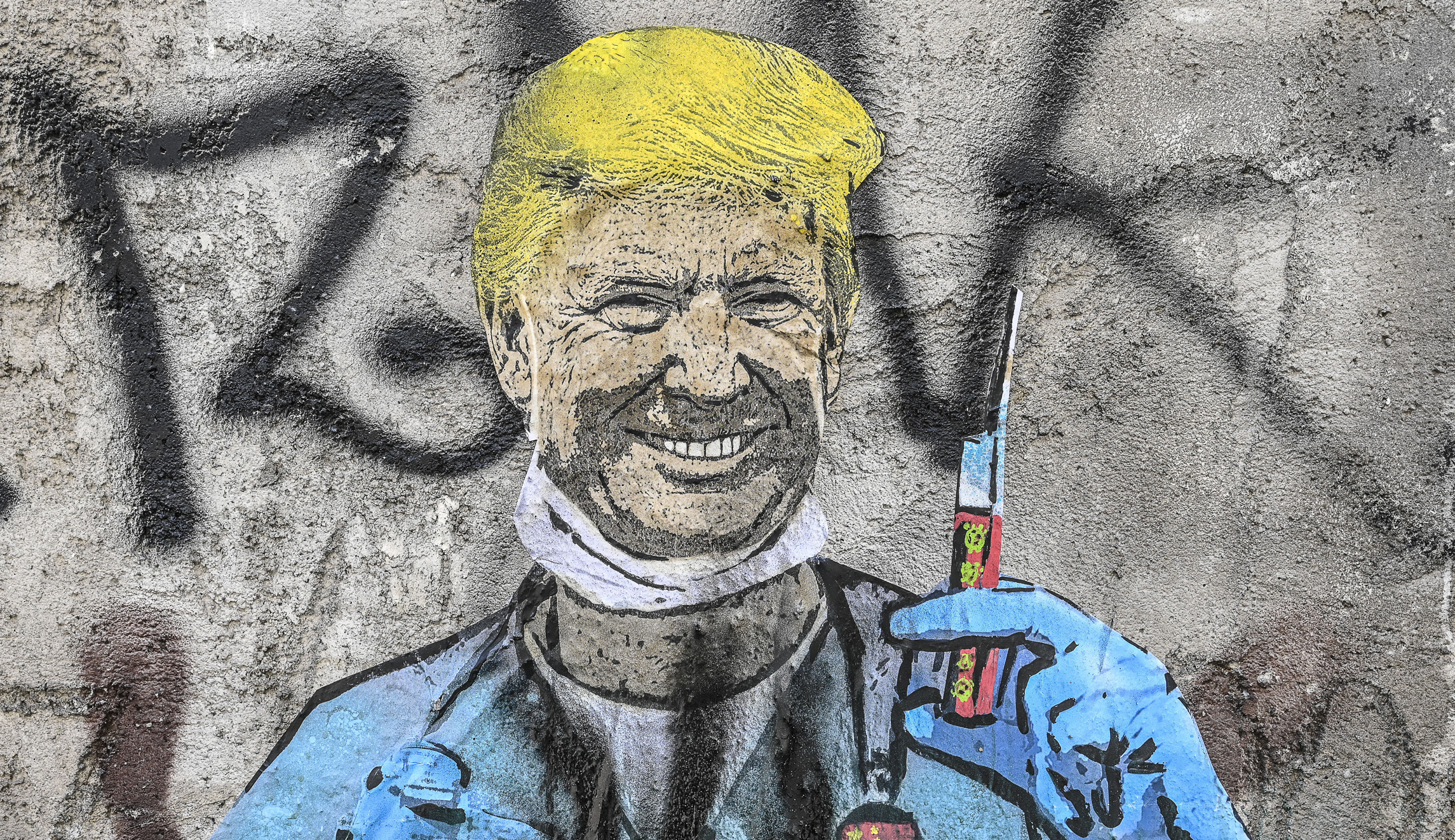
In the seventh month of the nationwide coronavirus lockdowns, most people in the United States are looking for a long-term solution. But if that solution comes in the form of a vaccine, politics and distrust could undermine it.
Some believe Bill Gates is trying to insert a microchip tracker into vaccine recipients. Others fear that the government could use the vaccine to punish individuals who do not want it. And more mainstream: Democrats argue that President Trump is rushing an unsafe vaccine to market as an October surprise.
You might think that the costs of the pandemic and its lockdowns would make the public eager to accept a vaccine. So, why aren’t they?
Vaccine hesitancy is prevalent not just in the U.S., but also in other Western nations. In fact, a study conducted by Devex reports that wealthier nations tend to be more skeptical of vaccinations than poorer ones.
The scientific community’s mixed messaging on the coronavirus hasn’t helped build trust in the experts. The Centers for Disease Control and Prevention urged people at the beginning of the outbreak not to wear face masks unless they were really sick, but now, that guidance has changed completely. Testing has been inefficient and sometimes incorrect. And many hospitals are disputing the total coronavirus death numbers that state health agencies are reporting.
And given the speed with which private companies and public health agencies are developing this vaccine, some health experts (including Dr. Anthony Fauci) have also raised concerns about the vaccine’s safety if it were to be rushed through the proper tests.
But Fauci’s hesitance was simply a warning, not a prediction. There is a proper way to vet and test vaccinations, which is why dozens of experts familiar with the process have said not to expect a coronavirus vaccine until late next year at the earliest. The government must make sure that whatever it introduces to the public is reputable and reliable, and it is required to follow a set of guidelines to make sure that it does just that.
