

IOWA CITY, Iowa — Iowa’s self-prized first-in-the-nation nominating contest has for years caused seething and resentment among some Democrats. Now a confluence of factors could put its post-2020 in question.
Several 2020 Democratic senators running for president are sidelined in Washington, D.C., for President Trump’s impeachment trial. While Sens. Amy Klobuchar of Minnesota, Bernie Sanders of Vermont, and Elizabeth Warren of Massachusetts are stuck sitting mute on the Senate floor, on the ground in Iowa, former Vice President Joe Biden, 77, and former South Bend, Indiana, Mayor Pete Buttigieg, 38, largely have the run of the place to campaign.
Recommended Stories



Supporters of Klobuchar, 59, Sanders, 78, and Warren, 70, are already saying the Feb. 3 caucus results shouldn’t be given too much credence, particularly if their candidate does poorly due to limited campaigning in the state. Those three candidates were all initially banking on a win or strong showing in the state to continue in the nomination fight.
Even before the Senate impeachment trial schedule became clear, the Iowa caucuses were under fire from some Democratic candidates. Former 2020 Democrat Julian Castro was among the most prominent voices for change when he was in the race. When running, Castro repeatedly claimed the current process was unfair for voters in a diverse party, because Iowa is 86% white, and New Hampshire, with its primary on Feb. 11, is 91% white.
Castro, 45, now a supporter of Warren, told reporters last week he spoke with Democratic National Committee Chairman Tom Perez about changing the primary process. Castro said Perez seemed receptive to his arguments and that voters might see a different order of states in 2024.
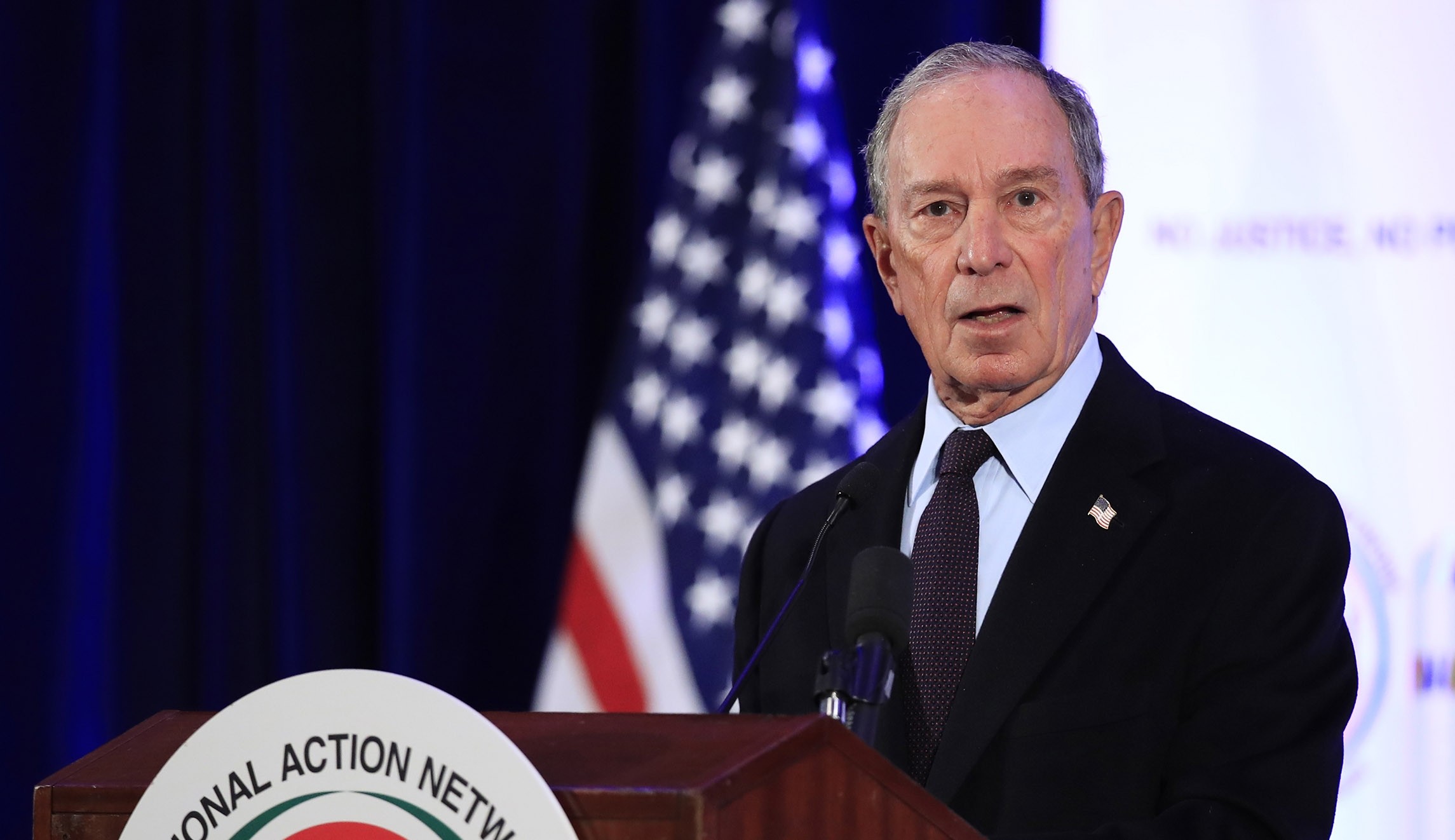
And the late-starting candidacy of former New York City Mayor Michael Bloomberg provides a glimpse of what future Democratic primary processes may look like with Iowa taking on a lessened role. The financial information and news company founder, worth more than $50 billion, is skipping Iowa altogether, along with the New Hampshire primary, Nevada caucuses on Feb. 22, and South Carolina primary on Feb. 29.
Bloomberg is instead banking on March 3 Super Tuesday states such as California and Texas, where television advertising still plays an important role in winning votes. That approach is paying at least modest dividends. Bloomberg, 77, now polls at fourth place nationally in some surveys, though he joined the race two months ago, nearly a year after many of his rivals.
Members of his campaign have repeatedly claimed that privileging Iowa in the primary makes little sense and has gone as far as calling the caucuses a waste of resources.
The Iowa gripes are nothing new. They go back to the first Iowa caucuses in February 1972. That election cycle was the first under a new Democratic nominating system meant to take nominating power away from big-city political bosses and elected officials and disperse it to voters in caucuses and primaries.
New York Times writer Robert Bendiner lamented in 1972 about the “haphazard, unfair and wildly illogical” primary process that “have no more relevance to the will of the people than the choice of President by a combination of poker, chess and roulette.”
