The coronavirus and the Trump administration’s response to the pandemic have slowed down and complicated an already overtaxed American immigration system, according to a report released Wednesday.
The impact of the virus has been felt throughout the system, including in the number of visas being issued worldwide, the effect that closed land borders has had on asylum seekers, and number of arrests federal officers are making of illegal immigrants within the United States, the American Immigration Council’s study concludes.
“While the outbreak has impacted many aspects of American life, it created unique challenges for noncitizens as well as the various government agencies that regulate immigration,” states The Impact of COVID-19 on Noncitizens and Across the U.S. Immigration System report.
“The U.S. immigration system has, in many ways, been slow to respond to the pandemic, and the impact of the government’s response has been experienced by citizens and noncitizens alike,” the report continues. “Some aspects of the immigration system have ground to a halt. In other cases, many noncitizens, their families, their attorneys, and government personnel have had to continue to navigate some routine operations that force them to violate the social distancing measures implemented in nine out of ten states.”
Newly published State Department statistics show a 93% decline in the number of visas issued since the start of the year. In January, the government issued 713,000 visas compared to 49,000 last month. Jorge Loweree, policy director at AIC, told reporters in a call Wednesday afternoon that the huge decrease was the result of the administration’s March 20 decision to stop offering routine visa services at all embassies and consulates.
Within the U.S., the Department of Homeland Security agency that handles interviews of visa applicants and immigrant benefits shut the doors to all offices on April 24. Tens of thousands of naturalization ceremonies have been suspended, said Ur Jaddou, director of DHS Watch and former chief counsel of U.S. Citizenship and Immigration Services. USCIS has not extended filing deadlines or nonimmigrant visas, putting noncitizens in a bind as visas expire and they become at risk of being illegally present in the country.
At the country’s land borders with Canada and Mexico, Border Patrol agents have seen a decline in the number of immigrants stopped while illegally entering the country between official crossing points. In each month between October 2019 and March 2020, more than 30,000 people were arrested by agents, but that figure was sliced in half in April after the agency began immediately expelling immigrants, including families, instead of releasing people into the U.S. or holding others in detention as they go through normal removal proceedings that can take weeks.
The number of asylum seekers who have presented themselves to federal officers at southern border ports of entry is down 90% — from October’s recorded 9,750 cases to less than 1,000 in April. However, Jaddou said asylum seekers’ ability to make claims has been severely restricted, prompting the decline, not necessarily because fewer migrants are fleeing persecution in a home country.
“Seeking asylum should be treated as a form of essential travel, and [Customs and Border Protection officers] should treat it as such,” the report states, referring to the border’s closure to recreational and tourism travel at the Canadian and Mexican borders.
Andrew Arthur, resident fellow in law and policy for the Center for Immigration Studies, a conservative-leaning organization in Washington, argued that turning away asylum seekers was sensible based on how most people have been locked inside in recent months.
“As long as American citizens and aliens lawfully admitted are restricted in their movements within the United States, it is eminently reasonable that aliens without visas would be denied entry into the United States,” Arthur wrote in an email.
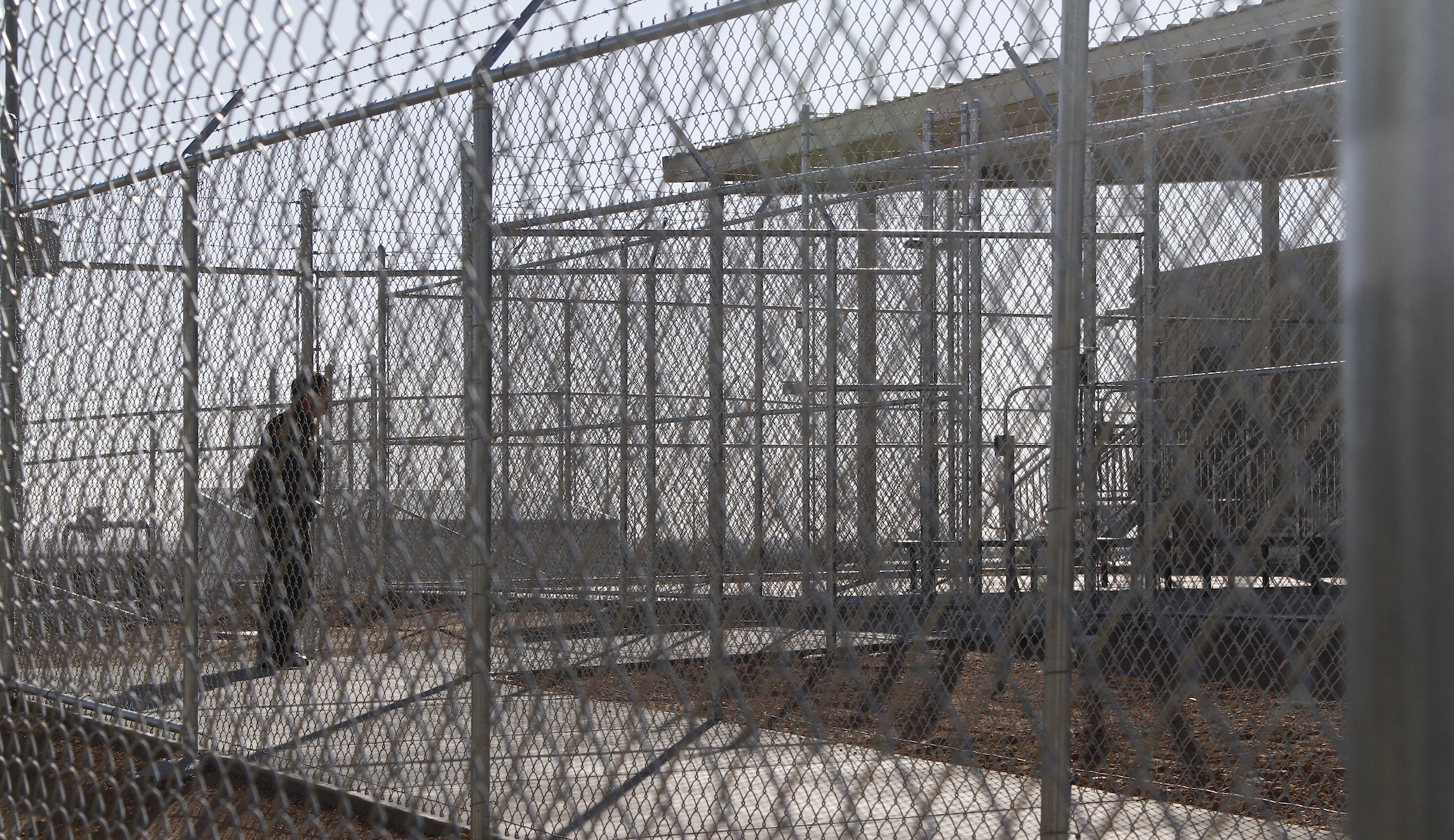
An estimated 11.4 million illegal immigrants reside in the U.S., according to the Migration Policy Institute. Immigration and Customs Enforcement oversees detention facilities where illegal immigrants arrested within the country are held on civil charges while a federal judge determines whether they will be released or deported.
In January and February, ICE was arresting and detaining between 2,500 and 3,000 people weekly. Following complaints from Democratic lawmakers and immigrant advocate groups, ICE announced it would limit its arrests during the pandemic, but would not completely stop them. In each of the past seven weeks, ICE officers have arrested and detained between 1,000 and 1,500 people.
ICE facilities can hold more than 50,000 detainees, but since late February, when the first coronavirus cases emerged in the U.S., its facilities have seen fewer new arrivals, as well as pending removal cases resolved, resulting in a drop in the detained population from 38,000 to 26,000. As of mid-April, 700 detainees had been released on the grounds that they faced serious risk from the coronavirus if held with dozens of other people in a cell block.
More than 1,200 detainees have tested positive, roughly 4% of the total detained population. However, only 9% of the total population has been tested.
ICE has continued deporting people ordered removed but also granted some detainees released from detention the ability to remain out of custody on “order of supervision.”
