LinkedIn’s China compromise shows price of market access

Two of the most important issues going into 2019 are China and tech policy. At the intersection of the two is Google’s controversial plan to build a censored search engine, dubbed project Dragonfly, for China. Although reports indicate that the project was scrapped over internal criticism, tech companies will keep looking for ways to gain access to China’s mostly closed market.

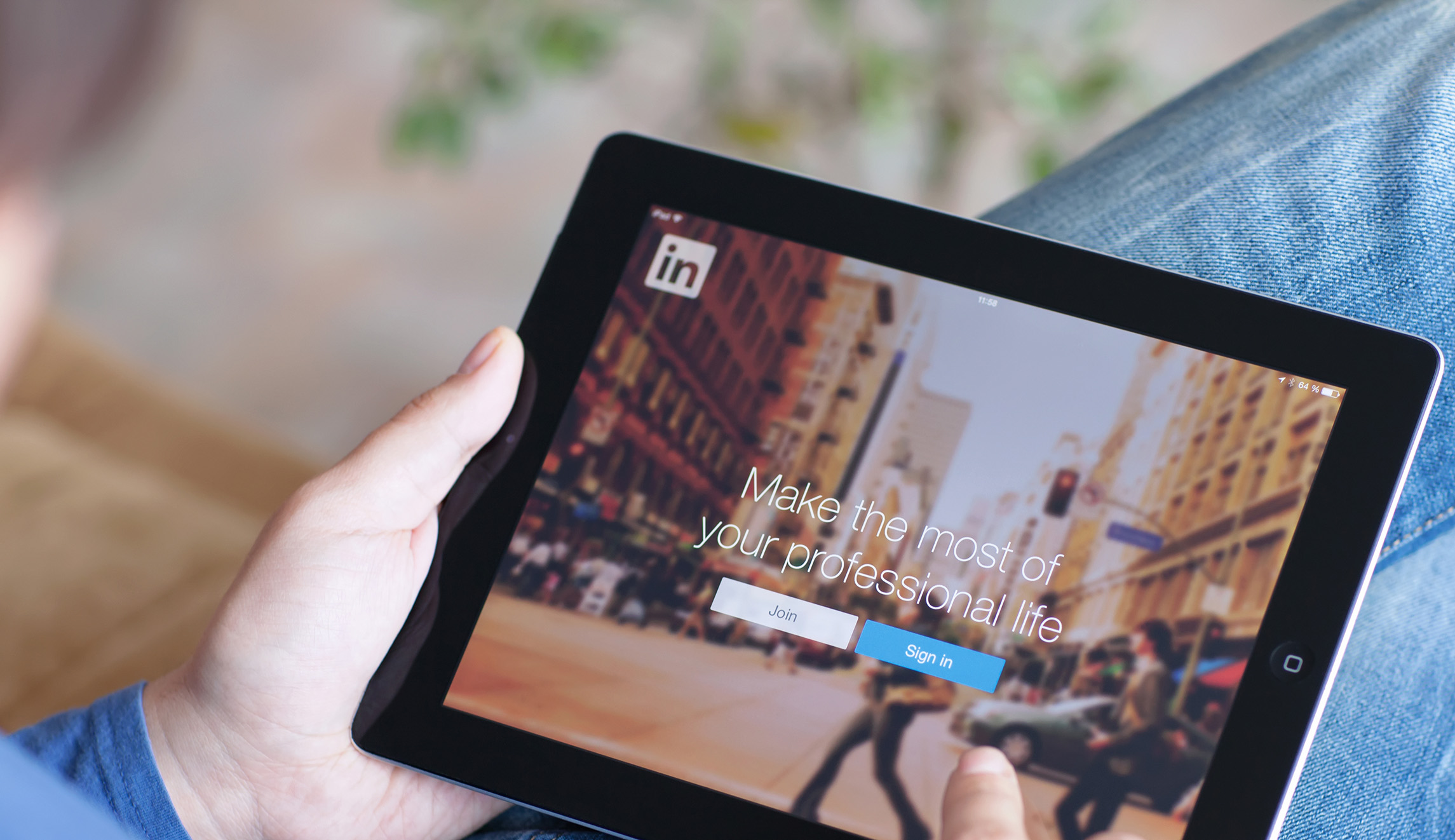
Enter LinkedIn, the widely popular professional networking platform that has successfully set up shop in China and operated a censored version since 2014.

LinkedIn, like other companies, has plenty of reasons to want to operate in China. There’s a huge market with hundreds of millions of potential users, which continues to expand as more and more people gain Internet access. That means more data, more ads, and more profit. The Chinese market also offers companies the opportunity for an early jump before other competitors corner users.

Those benefits, however, come with China’s rules and, if you don’t want to play, the price is high: Beijing will simply block your platform from its closed Internet.

As LinkedIn’s experience demonstrates, those trade-offs are unpredictable.

LinkedIn has been successful in getting Chinese users to sign up: 44 million have as of 2018. And LinkedIn, although not as successful as domestic alternative networking platforms, can directly compete for users.

But not all of LinkedIn China is smiles and profits. On Thursday, activist and former student leader of the Tiananmen protests in 1989, Fengsuo Zhou reported on Twitter that his LinkedIn China account had been blocked and posted the notice he received from the company.

It reads like cooperate Orwellian-speak: “While we strongly support freedom of expression, we recognized when we launched that we would need to adhere to the requirements of the Chinese government in order to operate in China.” It’s signed, “LinkedIn Trust & Safety.”


Needless to say, one cannot credibly claim to support freedom of speech while blocking content from those China deems to be, as the communists like to say, politically unreliable.

As the explanation of the blocked content notes, LinkedIn has been censoring political content since it started operating in China in 2014. For users viewing the site from China, that limits what users can post and what employers will find, depending on what the Chinese government finds acceptable.

In 2018, LinkedIn was accused of allowing the Chinese government to operate fake accounts to recruit foreign intelligence assets. Targeting both public and private sectors, Chinese agents posing as headhunters would offer lucrative deals, pressuring individuals to share information.

For now, LinkedIn has offered no hint that it will curtail operations in China. That balancing act and its potential pitfalls and bad press, however, are an example of what compromises might be required for other companies looking to crack China’s market.

Related Content
