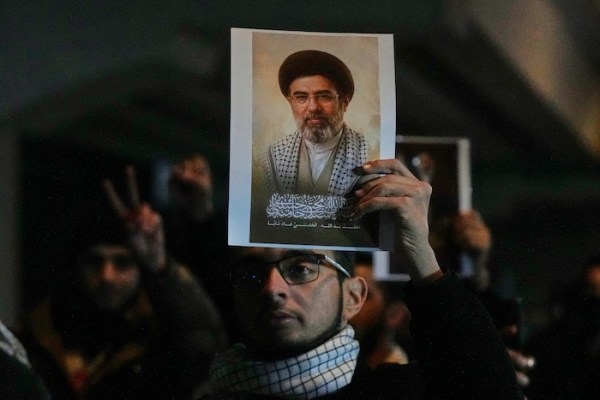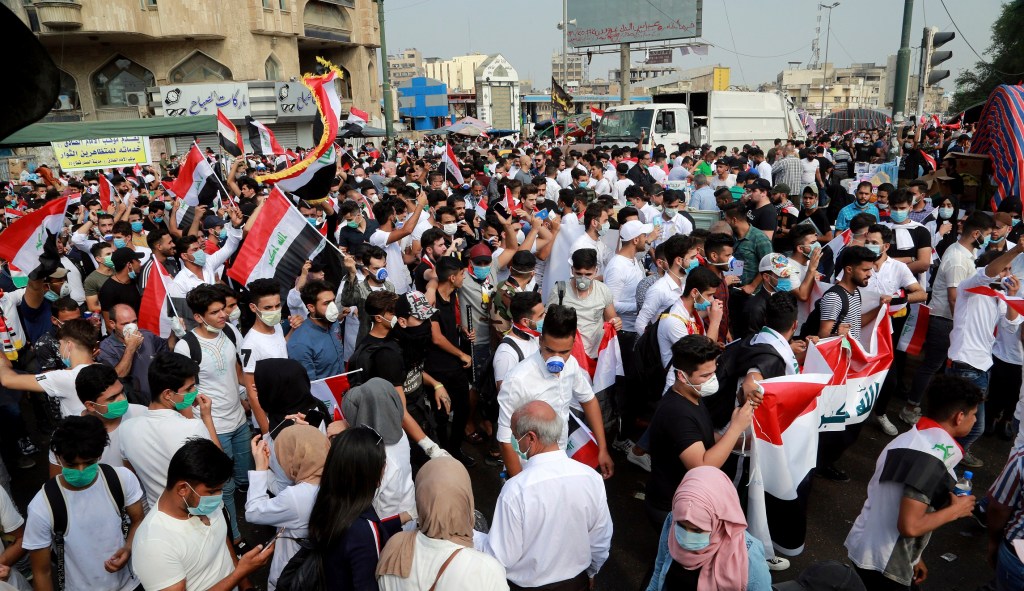
Abu Bakr al Baghdadi may be dead — and Iraqis across the sectarian spectrum are grateful — but a more immediate crisis now looms in Iraq: Protests again spread across Baghdad and major cities in Iraq in recent days. Whereas Prime Minister Adil Abdul-Mahdi took down the blast walls surrounding the green zone and reopened the center of Baghdad to the Iraqi people, he returned the walls almost overnight, symbolically suggesting he would rather confront Iraqis with live ammunition than listen to their complaints and frustrations. Cutting internet, social media, and silencing media inside Iraq is a tired strategy. Iraq’s Lebanese friends are already bypassing Iraqi censors and distributing footage that shows the brutality with which some security forces are now attacking peaceful protesters. What began as general demonstrations against corruption and a lack of government services has morphed into something far more.
Iraqis first took to the streets across southern Iraq in July 2018, theoretically to protest corruption and lack of government services. Iraqis reap billions of dollars from oil sales, but to drive around Basra is to find trash-clogged canals, unpaved roads, and spotty electricity amid the ostentatious Kuwait-style mega-mansions of the politically connected. Not surprisingly, frustration among young and ordinary Iraqis runs deep. True, Iraqi government officials and foreign diplomats can say standards of living have improved in Iraq since Saddam Hussein’s ouster. For the vast majority of the population, Shiites and Kurds especially, they would be correct. But more than 40% of Iraqis were born after Saddam Hussein’s ouster and no longer accept comparison to the past as reason to accept corruption or overreach by political militias in the present.