

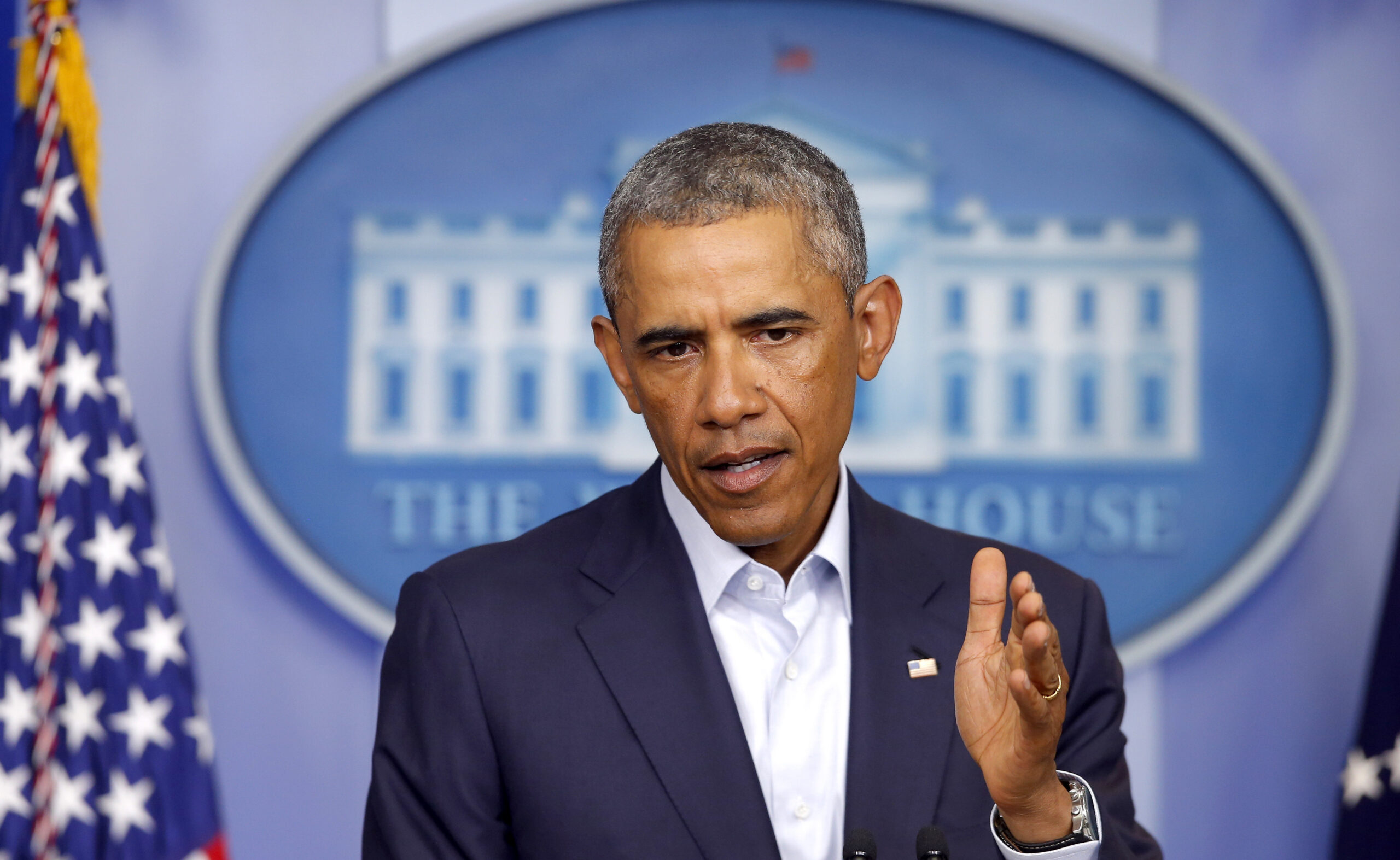
If Democrats lose the Senate in November, Republicans will have effectively driven a stake in the rest of President Obama’s agenda — or so goes the conventional wisdom.
But it’s not that simple.
Recommended Stories


Though the White House will never publicly concede that they could lose the upper chamber, some are noting some possible silver linings if Obama faces a Republican-controlled Congress during his final two years in office.
Progressives envision a scenario in which a lame-duck president has the freedom to slam an obvious ideological foil, not having to worry about his attacks falling on Senate allies.
But on a broader level, they are even more intrigued about the possibility of Republicans being forced to show the public tangible results.
“In a strange way, they might get more done the last two years because the Republicans will have to demonstrate they’re doing something,” said former Delaware Democratic Sen. Ted Kaufman, Joe Biden’s longtime Senate chief of staff, who succeeded him briefly in the upper chamber.
“If they control the House and Senate, then Obama has more of a negotiating window — they can’t afford to have the same kind of dismal record,” he added.
Still, the president continues to paint a dire picture of what a Republican Senate would look like, warning Democrats not to take the midterms for granted.
“In midterms, we get clobbered — either because we don’t think it’s important or we’ve become so discouraged about what’s happening in Washington that we think it’s not worth our while,” Obama said at a Florida fundraiser this year.
“I can’t do it alone,” he pleaded.
With a Republican Senate takeover looking increasingly likely, many have speculated that Obama’s veto pen could run dry from overuse.
But after the initial clash with Republicans plays out, some say both sides might see a mutual benefit in compromise, with a president looking to burnish his legacy meeting Republicans who no longer have to keep him from being re-elected.
“People in the country perceive the Democrats as in charge of what’s going on in Washington, even though they don’t like House Republicans,” Kaufman said. “It’s the same strategy that worked for Republicans in 1994 — but then they had to do something.”
This much is clear: The current arrangement in Congress isn’t doing much for the president. Obama’s approval ratings are hovering around 40 percent, and the White House is absorbing much of the blame for the gridlock.
“It can’t get any worse,” quipped one veteran Democratic consultant of Washington’s productivity. “Do they go from accomplishing nothing to less than nothing? I think this idea that [the loss of the Senate] would cripple Obama is nonsense. That makes it seem like they were all working together before.”
Granted, Democrats are taking an optimistic view of a Senate defeat that Republicans would frame as a rebuke of the president’s policies. But that theory hinges on the ability of conservatives to get the public to rally behind their ideas rather than being seen as merely different from Obama.
“The key thing here is, what do Republicans do with that initiative?” asked GOP pollster David Winston. “If you decide that the only thing that matters is how do you oppose Obama, you probably waste that opportunity.”
At the same time, though, Republicans say Democrats are desperate to find a sliver of positive news in what could be an embarrassing performance by their party.
“There is never a good situation,” Winston said, “to be in the minority when you could be in the majority.”
