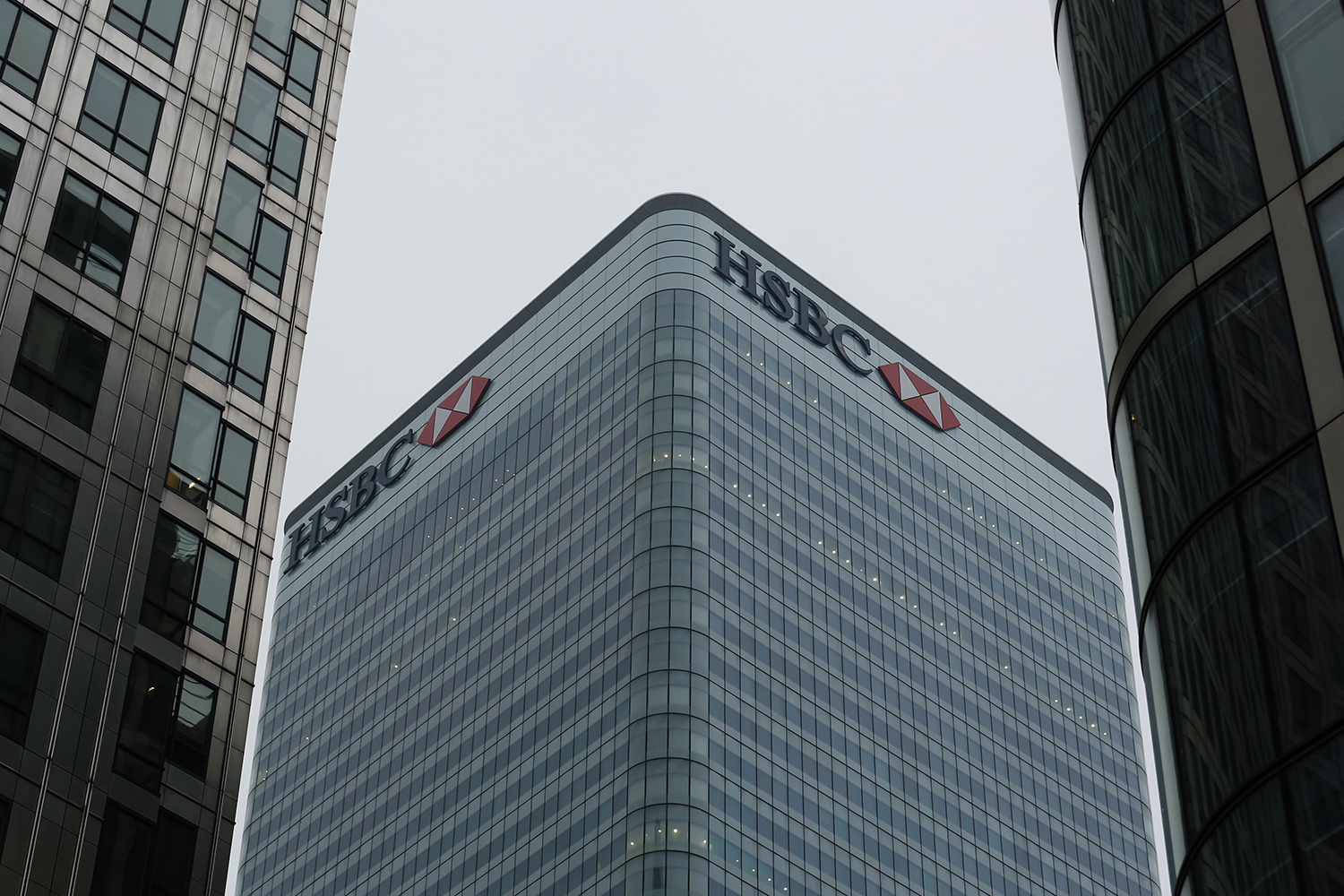
A top official at a global bank has been charged by the Department of Justice for fraud, as part of a larger government probe into bank manipulations of foreign exchange markets.
Mark Johnson, a British citizen who is the head of foreign-exchange cash trading for the London-based HSBC, was arrested Tuesday at JFK International Airport in New York City and will appear in a federal court Wednesday on charges of defrauding a client in a foreign exchange deal, according to the Justice Department.
Another British citizen who is a former Stuart Scott employee of the firm, is also named in the government’s complaint.
The two are accused of “front-running” a client in 2011. The bank was hired by a firm to convert the sales from one of its subsidiaries from dollars to British currency, and the two, on learning about the planned conversion, purchased the pound for the bank’s own accounts. When the transaction took place, they gave the client an inflated price, boosting their own profits at the clients account.
U.S. Attorney Robert Capers, of the Eastern District of New York, said that “the defendants placed personal and company profits ahead of their duties of trust and confidentiality owed to their client, and in doing so, defrauded their client of millions of dollars. When questioned by their client about the higher price paid for their significant transaction, the defendants wove a web of lies designed to conceal the truth and divert attention away from their fraudulent trades.”
The foreign exchange transaction was for $3.5 billion, and HSBC reaped $8 million for conducting the exchange, including the illicit profits from the fraud said to have been committed by Johnson and Scott. The investigation was conducted by the Federal Deposit Insurance Corporation’s inspector general and the FBI.
HSBC has been in the news for another, unrelated, brush with the law. Last week, Republicans on the House Financial Services Committee released a report finding that in 2012, the bank escaped criminal prosecution for violating anti-money-laundering laws because Justice officials effectively viewed it as “too big to jail,” meaning that a prosecution could upset the financial system.
The inquiry that resulted in Wednesday’s announcement are related to the complaints for which five banks settled with the Justice Department in 2014 for $618 million.
While the foreign-exchange rigging inquiry is not related to the bank activities that played a role in the financial crisis, populists in Congress and elsewhere have pressed the Justice Department to pursue criminal charges against individual financial executives, complaining that no leaders at Wall Street banks were put in jail following the financial crisis.
The news of Johnson’s arrest was first reported Wednesday by Bloomberg.
