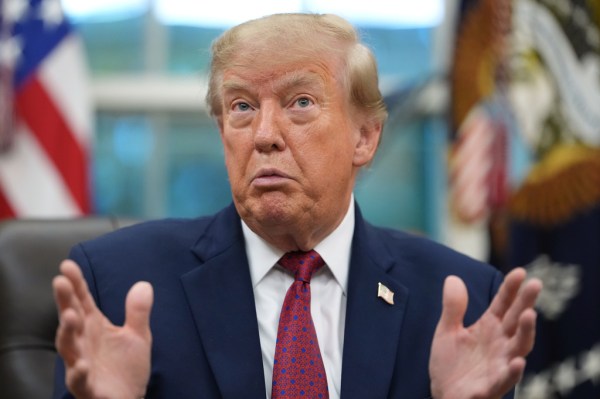
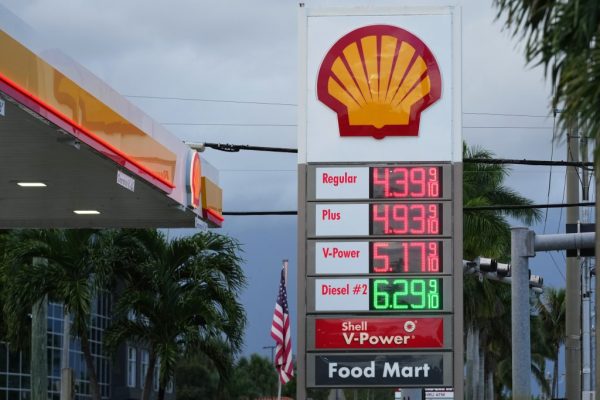
THERE ARE two ways to make policy. One is on the hoof, and in search of headlines, as the president did in last week’s State of the Union message. Just as oil prices started to ease, he gave a gift to Hugo Chávez and the Saudis by announcing plans to double the size of the Strategic Petroleum Reserve (SPR). That produced a 5 percent increase in oil prices, the biggest one-day jump in over a year. And to make certain that corn growers in Iowa will look favorably on the Republicans in 2008, he announced a huge and unattainable increase in ethanol production, driving corn prices through the roof, to the cheers of the nation’s agribusinesses and the moans of poor Mexicans who are struggling to pay for their next tortilla. Worse still, the president’s love affair with ethanol has set off a wave of deforestation to clear land for corn–not exactly the way to reduce carbon emissions.
The other way to make policy is to build on ideas. “If you want to affect policy, start a magazine,” the godfather of neo-conservatism, Irving Kristol, once told me. He should know: articles in his Public Interest laid the basis for the welfare-to-work reform finally signed into law by President Clinton and the “broken windows,” zero- tolerance policing that Rudy Giuliani and others put into practice, making America’s cities livable again.