How the VA became a 2016 campaign issue

Reforming the Department of Veterans Affairs has transitioned from a cause promoted mostly by advocacy groups to one routinely debated on the campaign trail.

From Hillary Clinton to Marco Rubio, candidates on either side of the aisle have weighed in on ways to fix the broken VA, injecting mainstream politics into a discussion once dominated by bureaucratic noise.

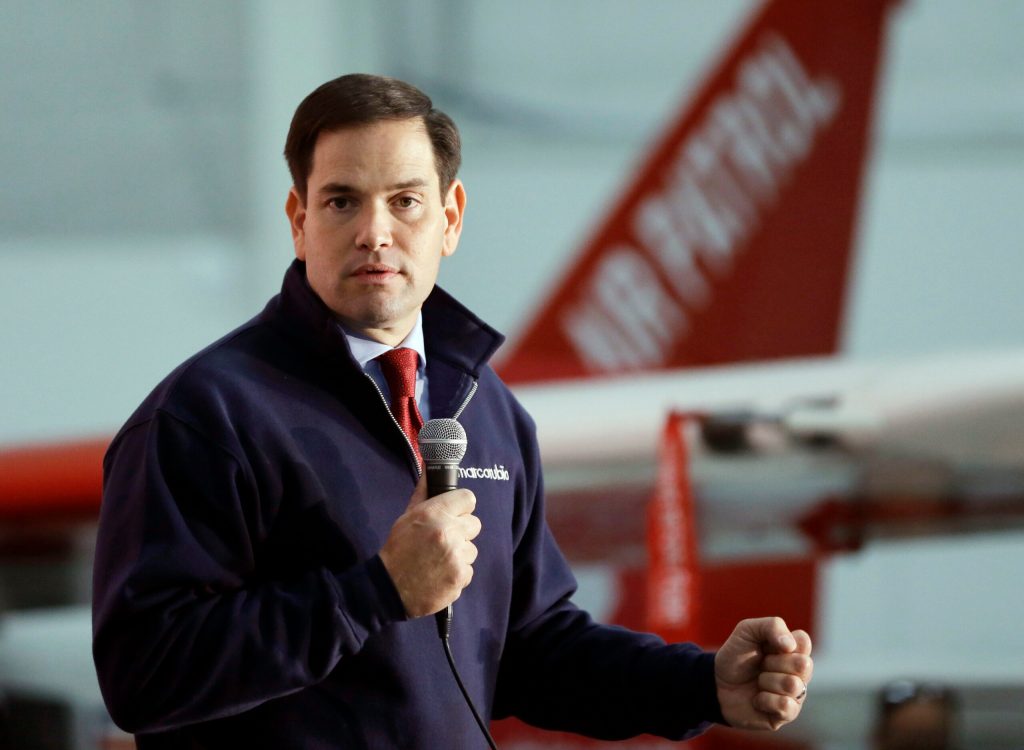
Rubio became the latest presidential hopeful to offer a solution for the VA’s backlogged system by proposing to increase veterans’ access to care in the private sector during a speech in Iowa Thursday.

It’s a suggestion popular among Republican candidates who have used years of recent problems at the VA as another avenue to attack President Obama and, by extension, whichever Democrat aspires to replace him.

Clinton played right into that narrative in late October, when she said during an interview that the scandal involving manipulated VA wait times, among other controversies, has “not been as widespread as it has been made out to be” by Republicans.

But faced with a public backlash and overwhelming evidence that the VA suffers from corruption and an inability to handle growing demand, the Democratic front-runner was forced to backtrack and put forward her own plan to reform the agency.

Clinton’s prescription for the VA centered around the same basic idea suggested by most of her Republican rivals: expanding veterans’ private health care choices.

She also called for a “zero tolerance” policy for VA employees who abuse the system, such as the officials who created secret patient waiting lists at 110 facilities around the country to conceal delays in care.

Jeb Bush captured the momentum behind VA reform in his own official plan when he said the VA’s problems “have brought to light the failed leadership of the Obama Administration” on veterans.

While Bush’s plan also called for expanded veterans’ choice, Clinton has attempted to characterize that policy, when it comes from a Republican, as an effort to “privatize” the VA.

Ben Carson’s proposal to eliminate the VA ruffled veterans’ groups who thought the plan went too far, but for the most part, Republicans have been in near lockstep in their criticism of the agency.

Carly Fiorina slammed sitting politicians’ silence on the VA’s failures during a New Hampshire townhall. Ted Cruz pushed veterans’ choice on a bus tour in Oklahoma.

Republicans have accused Democrats of attempting to shield a failed status quo.

For example, when Rubio brought up a bill to give VA leadership the ability to fire any employee for misconduct, Democratic Sen. Richard Blumenthal blocked it because, like other Democrats and the White House, he said it would be unfair to the VA employees.

The VA has weathered intense criticism for its lack of accountability. In the wake of the national wait time scandal that contributed to the deaths of dozens of veterans, only three officials were ever fired.

A top VA official admitted last month that it is nearly impossible to fire an agency employee for any reason.

Related Content