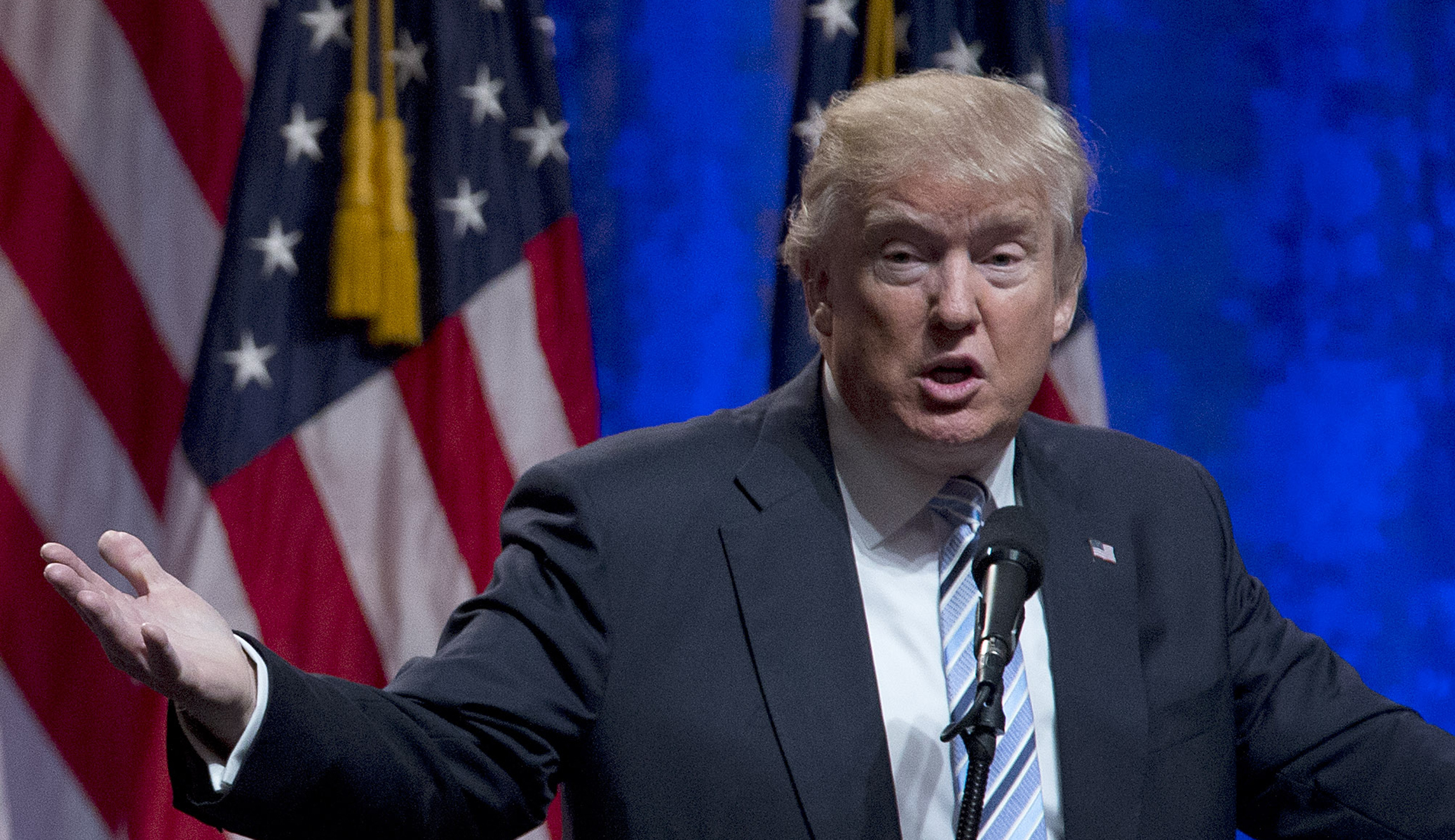
So much winning. Such great deals. We’re gonna love his great deals, really we are. Everybody says so. He’ll start with healthcare. He guarantees it.
Gee, does anybody still believe President Trump’s poppycock?
There’s lots of blame to share for the current collapse of efforts to replace Obamacare. But nobody comes close to deserving as much blame as Trump.
Never in the 40 years I’ve been involved in politics, and never that comes to mind from my extensive study of post-World War II government, have we seen a president so little in charge, so little engaged, and so pathetically ineffective, in an attempt to pass a major piece of domestic legislation that the president supposedly supports.
Trump made not a single major speech to the nation to discuss Obamacare replacement. He made no effort to explain to the public why the Republicans’ basic approach would make the system better for individuals or for the nation as a whole. He did not try to persuade the public to weigh in with their senators, and didn’t make the case for the urgency of reform.
Trump, by accounts too numerous to discount, never came close to learning even the broad details of the issues involved. (Nobody expects a president to delve into the policy weeds, but even the famously big-picture-aficionado Ronald Reagan made himself far more conversant on details of his major legislation than Trump has with healthcare.) On sub-issues big and small, he never even seemed to know when he was directly controverting his own earlier positions.
Trump insisted on repealing with a full replacement; except when he was saying we should do simple repeal while punting replacement until later; except when he was saying to just let it fail and then start over; except for when he was saying, back in the very first Republican primary debate, that single-payer systems (in other words, socialized medicine systems) are actually pretty good.
At several points during the herky-jerky House consideration of healthcare reform, Trump did or said things that seriously undermined prospects for passage — not least of which by insisting on an artificially early deadline to get it done. Then, after a House bill passed at least as much despite Trump as because of him, Trump held a ceremony celebrating it as a wonderful piece of work — but one source says he dismissed it repeatedly just a few weeks later as “mean, mean, mean.”
The last anybody checked, it doesn’t help legislators cast a tough vote if the very vote the president of your own party begs you to cast is the one he will criticize three weeks later. The Senate will completely reform rules for nearly a one-fifth of the entire economy if the president of the majority’s own party may be expected to stab them in the back, the side, and the front simultaneously.
One can perhaps understand a White House decision to avoid a national Oval Office address if polls show the president is so unpopular that an address by him might do more harm than good. Even then, though, the White House would take a large role in figuring out how else to sell reform to the public – perhaps even so far as focus-group testing, and choosing somebody who is adept at Reagan-like (or even Ross Perot-like) explanatory persuasion to try to win the public’s approval.
Decades of experience has shown that if you win the public, the public can push Congress in the right direction. But neither Trump nor congressional leaders made a concerted, unified effort to win the public in the first place. These strategic communications should be a White House job.
Examples of Trump’s responsibilities for this major failure, both by commission and omission, could continue. One omission, though, was particularly deadly for the bill: In no serious way did this White House ever try to bring vulnerable and putatively “moderate” Senate Democrats, such as West Virginia’s Joe Manchin or Indiana’s Joe Donnelly, to the table, to provide a vote or two that Senate Republicans might lack.
But the Trump team did threaten wavering Republican senators, such as Nevada’s Dean Heller and Arizona’s Jeff Flake, in a particularly ham-handed way that merely ticked off them and some of their Republican colleagues.
Lesson: Without benefit of bullying lawyers and a huge cash advantage, this president can neither make good deals nor achieve legislative wins.
Diagnosis: Trump is a loser. Prescription for a cure: Unknown.
Quin Hillyer (@QuinHillyer) is a contributor to the Washington Examiner’s Beltway Confidential blog. He is a former associate editorial page editor for the Washington Examiner.
If you would like to write an op-ed for the Washington Examiner, please read our guidelines on submissions here.
