

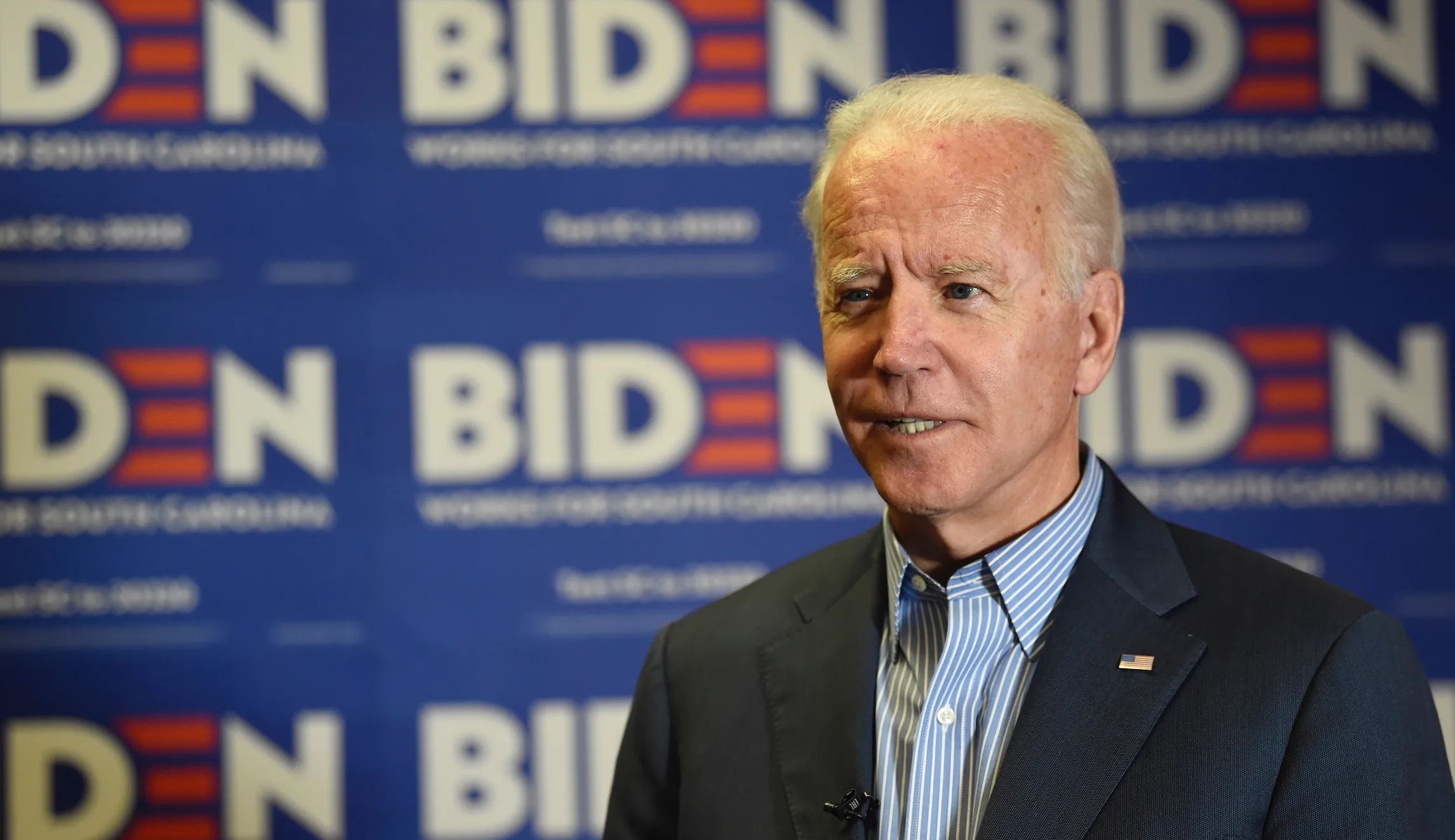
Joe Biden is Catholic. I’m told that if you frequented St. Joseph’s on Capitol Hill during his Senate career, you’d see him there, lingering in the back during Mass on holy days of obligation.
But Biden has long publicly rejected his church’s teaching on abortion. This was sufficient reason for Rev. Robert Morey of St. Anthony Catholic Church in Florence, South Carolina, to deny Biden communion on Sunday, citing the former vice president’s long-standing and open “advocacy for abortion.”
Recommended Stories


“Holy Communion signifies we are one with God, each other, and the Church,” Morey said. “Our actions should reflect that. Any public figure who advocates for abortion places himself or herself outside of Church teaching.”
Morey’s decision, though a rare step for a Catholic priest, is supported both by Catholic theology and church precedent. The Code of Canon Law states that those “obstinately persevering in manifest [meaning public] grave sin are not to be admitted to holy communion.” In 2004, then-Cardinal Joseph Ratzinger explained this means that this can indeed apply to a “Catholic politician” who is “consistently campaigning and voting for permissive abortion and euthanasia laws.”
Joe Biden is not the first Catholic or Democratic politician to be denied communion due to public support for abortion. Former Sen. Claire McCaskill and former presidential candidate John Kerry were similarly turned away at various points in their careers.
It’s important to note that the church denied these politicians communion not just because abortion advocacy is a sin, but also because it is a public scandal for a politician to engage in such advocacy and then show up at church on Sunday. The issue is not that Biden would be receiving communion with grave sin on his conscience — something Catholics are never supposed to do without first going to confession — but rather that his public reception of the sacrament while advocating for abortion would send the wrong message to the faithful. It would imply to those present that one can publicly flout church teaching on such a life-or-death question and it’s just not really a big deal.
The question here, then, is whether the church has a responsibility to hold politicians to account. I’d argue it does, even though I am not Catholic. Christians are called to not just believe in a higher set of values, but to live them. If the church cannot push back when someone makes a big public deal of not living those values, then it is failing to live up to its role as the caretaker and shepherd of its faith.
This is not the time for lukewarm standards and inconsistent teachings. If the church believes abortion is a sin, as it has said it does, then it must be willing to stand up to abortion’s advocates, even if — or especially if — that person is a presidential front-runner.
