

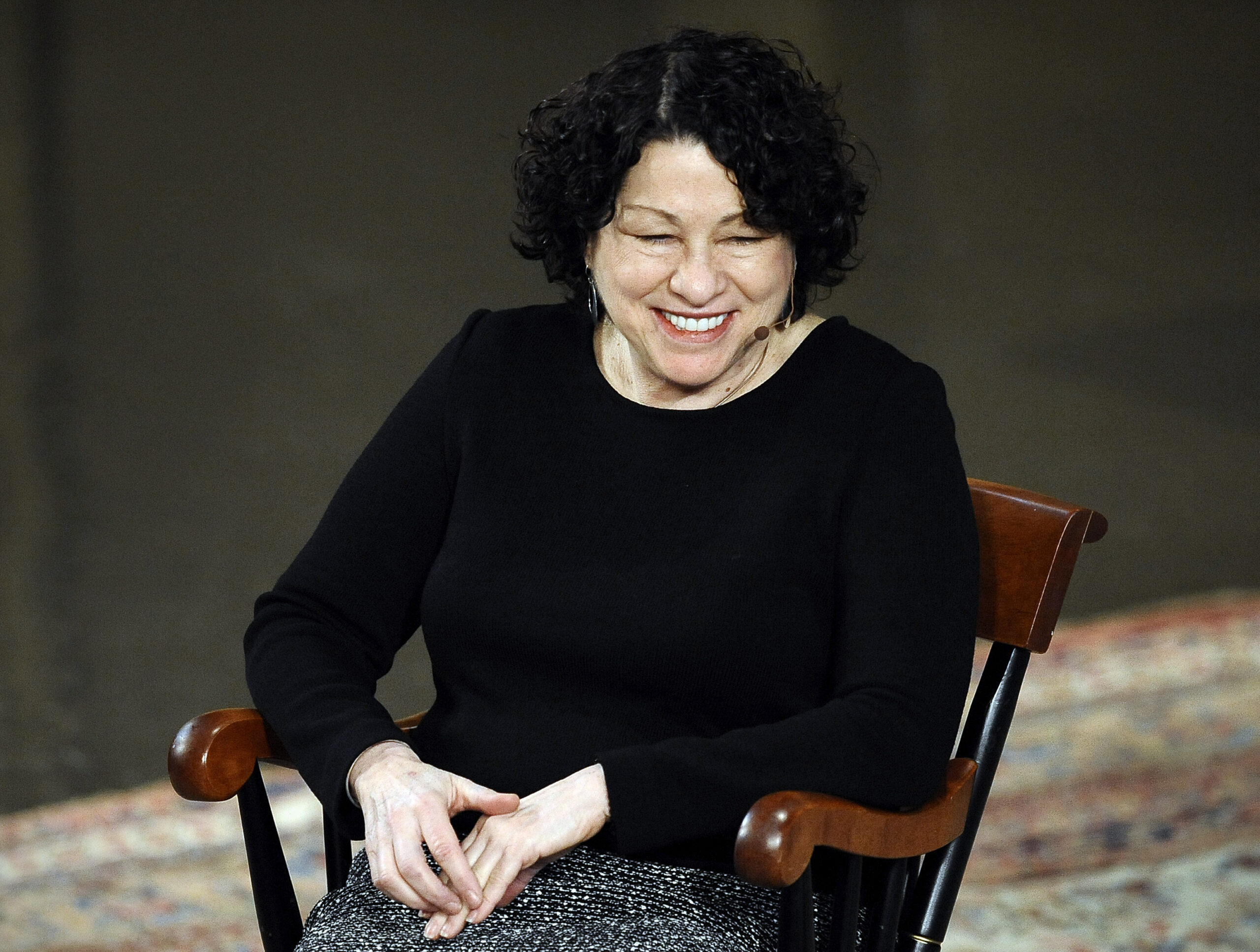
Sonia Sotomayor is a wonderful role model. Truly. Through hard work, brains and rare self-discipline at an early age, she was able to overcome poverty and family dysfunction to become what she is today. She was diagnosed at the age of 7 with Type 1 diabetes, and because her father was an alcoholic and her mother a full-time nurse, it fell to her to manage the daily insulin injections and testing that are part of the required treatment. The Image, in her memoir, of a small girl dragging a chair to the stove so she could sterilize her syringes before school is poignant indeed.
Any person attempting to overcome hardship can look to Sotomayor for inspiration. But as she demonstrated in her long, impassioned dissent in the case of Schuette v. Coalition to Defend Affirmative Action, the experience of benefiting from race preferences has left her prickly and defensive on the subject. As others, including her Supreme Court colleague Clarence Thomas, have argued, that kind of gnawing insecurity is one of the consequences of preferences. Others are never sure if you’ve achieved your position entirely on merit, and neither are you.
Stay informed.Stay ahead.
Join Washington Examiner for unlimited access to the news, analysis, and commentary that matter most.
Already a member? Log in
