

When your mind runs over the history of the Grand Old Party, you think of the presidents first. You think of Abraham Lincoln and are proud to be in some way associated with a political party whose first president was our greatest. You recall Ulysses S. Grant and Theodore Roosevelt and Calvin Coolidge, and you think . . . not bad, not bad at all. And you move along to Dwight Eisenhower and Ronald Reagan and the two George Bushes, and you conclude: It’s an impressive legacy.
Who knows whether President Donald Trump will ever be looked back on with comparable nostalgia and respect? If he is, we suspect it will be due mostly to the actions of Republican members of Congress. It won’t primarily be due to their diligence in supporting him. What will prove more important to success for the Republican party and for Republican principles over the next four years is the success of Republicans in Congress in guiding Trump, in correcting him, in checking him—and, yes, at times in opposing him.
Recommended Stories



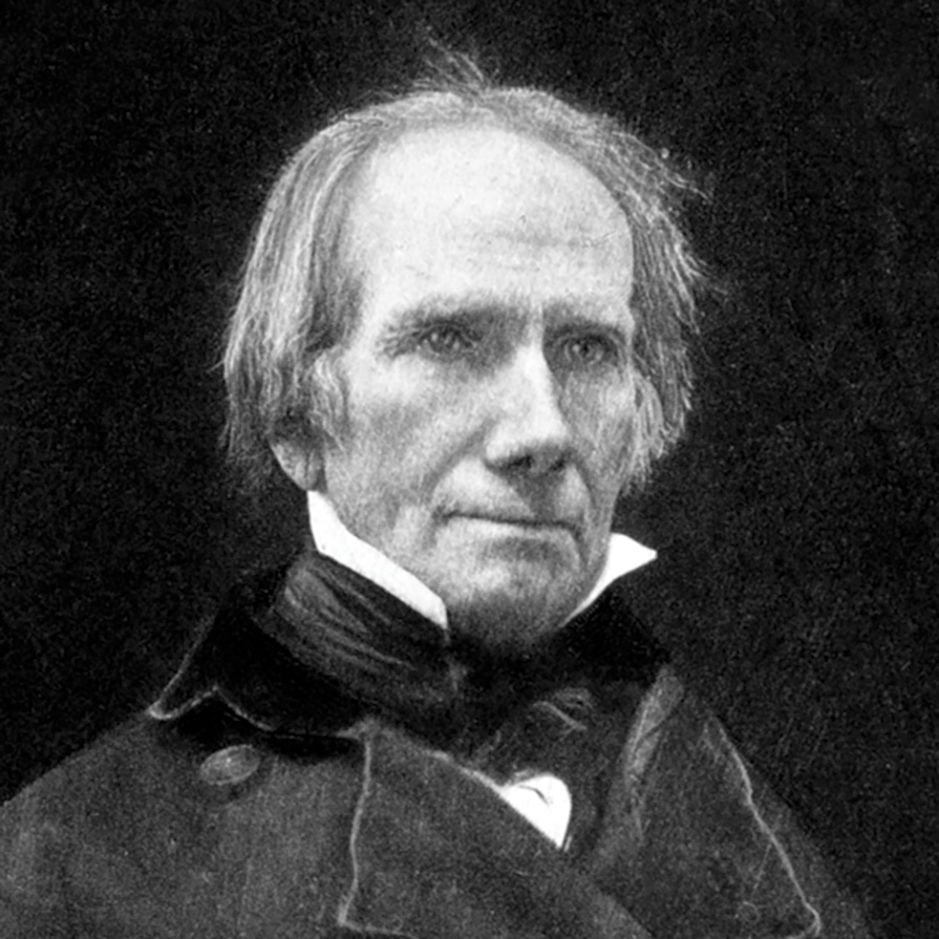
Republicans in Congress shouldn’t be intimidated by this responsibility. They do, after all, have a grand congressional history to look back upon as well. From the great Whig Henry Clay, who might be considered the forefather of the Republican party, all the way down to the present, Republican members can reflect on senatorial and congressional statesmen galore. In the modern era alone, they can, for different reasons and in varied ways, take pride in the legacies of Robert Taft and Arthur Vandenberg, of Everett Dirksen and Barry Goldwater, of Bob Dole and Newt Gingrich and Jack Kemp. And there are current members to admire like John McCain and Paul Ryan and a host of younger members recently arrived, who bid fair to step forward and join their illustrious predecessors.
Most of these congressional figures made their names cooperating with Democratic presidents or resisting them, or leading from the Hill when there wasn’t a Republican in the White House. But it would be a mistake to assume, just because a Republican holds the presidency, that the task of congressional Republicans is primarily to support and to follow him. Republicans on the Hill haven’t quite adjusted to the current situation. When you ask them these days what their plans are, they typically say they’re waiting for the White House. When you inquire about plans on taxes or spending or defense or health care, most of the denizens of the Hill—understandably, given recent history—defer to forthcoming guidance from the administration.
But it’s becoming increasingly clear that such deference may be self-defeating. This is unlikely to be a White House that provides concrete or consistent or sound guidance in many policy areas.
So, senators and representatives: This is your moment. Don’t be intimidated by the Master of Mar-a-Lago. You were also elected by the American people, in most cases by a larger margin. Your grant of legislative powers comes in Article One of the Constitution—his in Article Two. He will be the executor of your legislation; he can be a kibitzer in your deliberations. But you know more than he does, you’ve thought more than he has, and you have a longer time horizon than he is capable of. You can guide him, you can check him, and you can override him.
As most of you know but will say only privately: If the next four years are the years of Trump alone, they’re likely to be years of failure. If the next four years are the years in the House of Paul Ryan and Kevin Brady, of Mac Thornberry and Jeb Hensarling, of Mike Gallagher and Liz Cheney, and in the Senate of Mitch McConnell and John McCain, of Lamar Alexander and Mike Lee, of Tom Cotton and Ben Sasse, they’re far more likely to be years to be proud of.
The first Republican president had a high regard for the legislative branch. Here’s what he had to say in his eulogy for Henry Clay, who served almost four decades in both chambers of Congress and never became president, but did more for his country than most presidents:
Members of Congress: Act so that when the antics of Donald Trump have faded in memory, your deeds will be memorable enough to inspire a eulogy half so heartfelt and so powerful from a future Republican president.
