

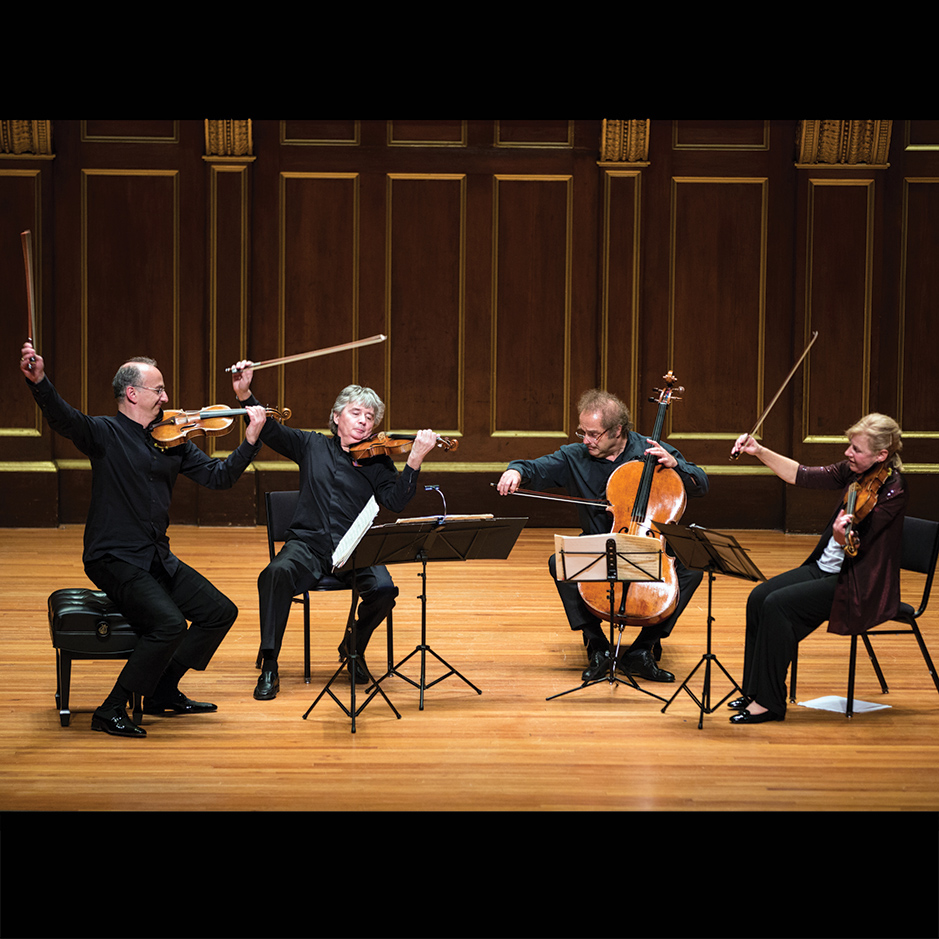
“Forgive me when you see me draw back when I would gladly mingle with you,” wrote Ludwig van Beethoven in the Heiligenstadt Testament, a letter he addressed to his brothers (and humankind in general) in 1802, but never sent. “My misfortune [deafness] is doubly painful because it must lead to my being misunderstood, for me there can be no recreations in society of my fellows, refined intercourse, mutual exchange of thought, only just as little as the greatest needs command may I mix with society.”
The Heiligenstadt Testament is a well-known document and has been exhaustively studied as one of the clearest windows we have into the composer’s thinking. And yet, Beethoven’s description of himself as a man who wanted “the society of [his] fellows” generally plays little part in the popular conception of him. On the contrary, we tend to remember him as deliberately, fiercely individualistic—an icon for those who prefer to go their own way, unconcernedly leaving the rest of humanity trailing in their wake. In fairness, Beethoven himself contributed considerably to his own reputation with his distinct lack of social graces, including a notorious carelessness about hygiene and a manner that could be abrupt to the point of rudeness. This helps to explain why posterity has tended to gloss over, or even ignore, his expressed longing for companionship. Yet Edward Dusinberre suggests that we shouldn’t, and he brings to the subject the perspective of a musician who has spent his life playing in one of the world’s great string quartets, the Takács. He takes his title from Beethoven’s rejoinder to critics who found his Opus 59 quartets too radical: “They are not for you, but for a later age!”
Stay informed.Stay ahead.
Join Washington Examiner for unlimited access to the news, analysis, and commentary that matter most.
Already a member? Log in
