Prufrock: Changing Baseball and Why You Should Work Less to Accomplish More

Reviews and News:

Work less, accomplish more: “Figures as different as Charles Dickens, Henri Poincaré, and Ingmar Bergman, working in disparate fields in different times, all shared a passion for their work, a terrific ambition to succeed, and an almost superhuman capacity to focus. Yet when you look closely at their daily lives, they only spent a few hours a day doing what we would recognize as their most important work. The rest of the time, they were hiking mountains, taking naps, going on walks with friends, or just sitting and thinking. Their creativity and productivity, in other words, were not the result of endless hours of toil. Their towering creative achievements result from modest ‘working’ hours. How did they manage to be so accomplished?”


* *

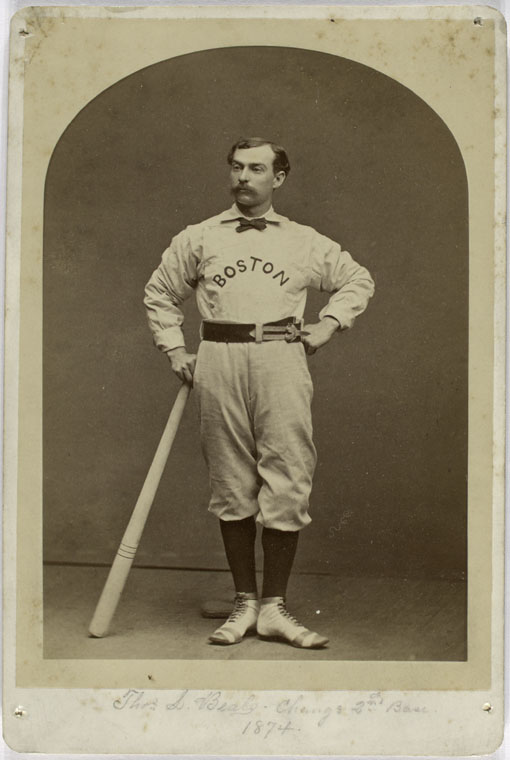
As baseball changes, it should look to its past: “Consider that the 1857 gathering at Smith’s took place during baseball’s first culture war, one that pitted, predictably enough, Massachusetts against New York. Men in both regions…played a game called base ball that involved a thrown ball, a bat and bases, but the rules varied wildly and changed constantly. The Massachusetts game featured one-out innings and overhand pitching, and batters could be called out by being hit by a thrown ball while between bases. Typically, the first team to score 100 runs won. The New York game was a bit more genteel and pragmatic: Games were played to 21, not 100; pitchers had to throw underhand; no players had balls intentionally thrown at them; and games concluded before dark. The debates over which version was better centered on manliness, decorum and the pace of play. The Massachusetts crowd argued that it was manlier for outs to require some measure of physical pain, while the New Yorkers said that manliness could never be extricated from gentlemanly manners and that only savages ran around fields pegging balls at one another.”

* *

New Zealand declares two rivers “legal persons.” “The reason? The Maori tribe considers the river sacred and an ‘ancestor.'”

* *

Puritans and conformists in England during the Reformation were not so different after all: “‘Puritans,’ Ryrie observes, ‘used set forms unproblematically both in public and private devotions. They noted and observed holy days. They valued public and private prayer and denied that it was in competition with preaching. They revered the sacraments. They observed fixed times of prayer. They made and kept vows.’ Likewise, ‘conformists’ valued preaching, wept in private devotions, and promoted fervency and zeal. As Patrick Collinson observed two generations ago, the differences between puritanism and conformity were ‘differences of degree … rather than of fundamental principle.'”

* *

In Case You Missed It:

Peter Leithart: “Why are Dostoevsky’s novels so compulsively readable? What makes his characters seem so alive?”

* *

Charles Murray edits his Southern Poverty Law Center page.

* *

In the Times Literary Supplement, Harry Mount asks: “What happened to literary politicians?”

* *

Vincent Connare explains why he created Comic Sans.

* *

Interview: Ben Domenech talks with Chris Scalia about his father, higher education, and Scoop

* *

Classic Essay: Edward C. Banfield, “Welfare: A Crisis without ‘Solution'”. Read more by and about Banfield at Contemporary Thinkers.

Get Prufrock in your inbox every weekday morning. Subscribe here.

Related Content