'I could support that': Graham open to withdrawing some troops from Afghanistan

Hawkish Sen. Lindsey Graham said he would support a limited drawdown of American forces in Afghanistan.

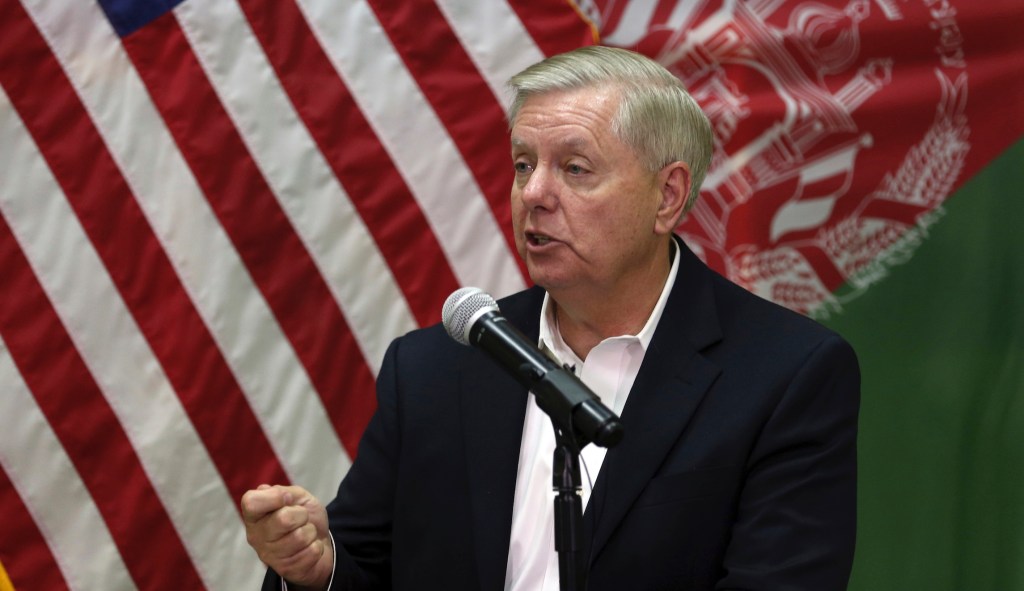
Speaking in Kabul on Monday, the South Carolina Republican said he would be open to having about 4,000 fewer American troops in the region, which currently has about 12,000 to 13,000 soldiers stationed there.

“If President Trump decides in the next few weeks to reduce our forces below the 12,000 we have, I could support that,” Graham said. “With 8,600 American forces aligned in the right configuration, we would have a very lethal punch.”


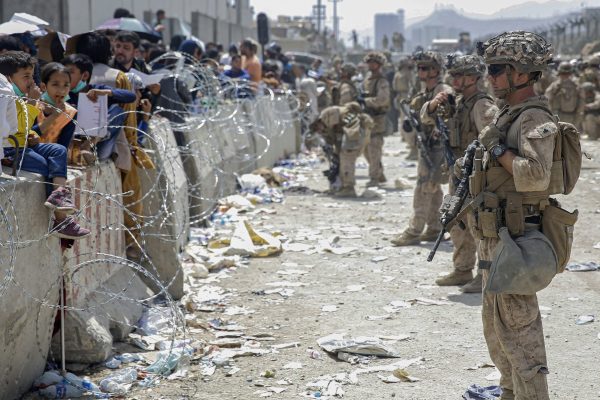
The U.S. troops currently in Afghanistan are there to assist and train Afghan forces to fight the Taliban and combat other extremist groups such as al Qaeda and the Islamic State.

Trump, who has been vocal about his desire to remove troops from the region, could soon announce a withdrawal of about 4,000 forces. Graham has opposed efforts to reduce the level of forces in Afghanistan substantially, but he said Monday that there could be some wiggle room because Afghan forces are becoming more capable of working without American assistance.

[Daily on defense: With pending announcement, US will pull back, not out, of Afghanistan]

He also said that any number fewer than 8,600 would require a sea change in Afghanistan and a solid peace treaty. He said any further withdrawals would need to include assurances that a counterterrorism force would remain in the region.

“The Taliban cannot be trusted to be a reliable counterterrorism force,” Graham said. “It would be insane for America to rely on the Taliban to ensure that al Qaeda and [ISIS] doesn’t come back in a way to represent a threat to our allies and the American homeland. Even if they had the will, they don’t have the capability.”

The United States has seen a deadly year for combat troops in Afghanistan. Last month, two service members were killed in a helicopter crash. In total, 19 American soldiers have been killed in combat this year, marking the deadliest year for troops in the country since the formal end of combat mission Operation Enduring Freedom in 2014.

Related Content