Implement commonsense protections from weather disasters

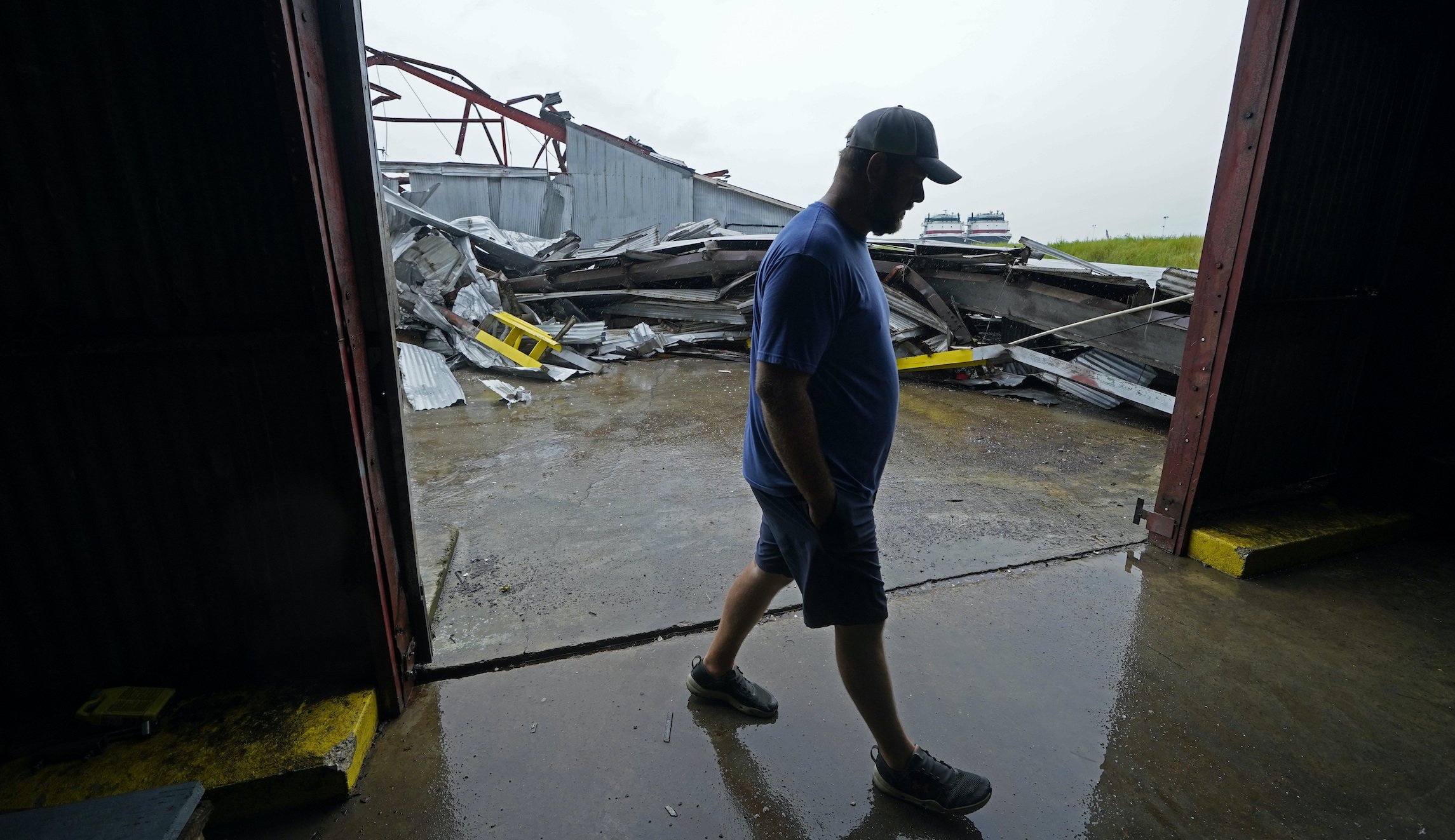
From wildfires in the west to hurricanes and heavy flooding in the east, the United States has recently suffered several significant natural disasters. Experts say these extreme weather events are becoming more frequent.

This summer’s heat, fires, and flooding took the lives of at least 338 people; destroyed thousands of homes, businesses, and crops; and cost the U.S. billions in damages. Regardless of how you feel about the causes of climate change, it makes sense to take smart steps to strengthen our infrastructure and bolster our resiliency against these destructive events to reduce deaths, injuries, and significant economic costs.

Some on the Left argue the only solution is radical Green New Deal policies such as those expected to be in the partisan $3.5 trillion reconciliation package with job-killing mandates and taxes that Democrats are trying to jam through Congress. However, there are more commonsense ways to ensure communities in the path of the next big hurricane, tornado, wildfire, flood, or drought are better able to prepare and protect their citizens from harm: the Senate-passed bipartisan Infrastructure Investment & Jobs Act, which invests $542 billion in our nation’s crumbling infrastructure — all without mandates or other punitive measures.

I worked with colleagues to write this legislation to focus on making us safer from natural disasters while making sure we don’t harm our economy in the process. We invest $46 billion in key resiliency investments that will help fortify our country against the kinds of severe weather events affecting our nation in recent months. This includes $1.5 billion for hazard mitigation through the Federal Emergency Management Agency, allowing communities across the nation to plan and undertake projects to reduce the risk they face from natural disasters.

It includes investing $5.5 billion to support drought resiliency and nearly $9 billion to protect communities against wildfires and support recovery and restoration efforts such as reforestation. One provision, the bipartisan REPLANT Act, will help the U.S. Forest Service plant 1.2 billion trees in areas hit by wildfires, tree disease, and other damage. Reforestation will help make our communities more resilient by making it less likely for landslides, flooding, and other catastrophic events to occur.

For communities across the southeast that have seen unprecedented levels of rainfall and destructive hurricane-force winds and the coastal communities along the shores of the Great Lakes that continue to experience coastal erosion and flooding, there is $12 billion in federal programs to counter the effects of flooding, strengthen our coastlines, and protect vulnerable communities.

In addition to providing funding for protection against extreme weather, the bill also invests $65 billion in supporting energy innovation and the resiliency of our grid. It develops next-generation energy technologies — including hydrogen, geothermal, energy efficiency, and carbon capture — to allow us to continue to use our abundant natural resources, such as coal and natural gas, while reducing our emissions in the long term.

In fact, this bill includes key provisions from my energy efficiency legislation with Sen. Jeanne Shaheen, the Energy Savings and Industrial Competitiveness Act, that would improve the efficiency in buildings and the industrial sector to help reduce emissions, protect the environment, and create jobs.

These investments don’t just keep us safer from the next big weather disaster and help us make more effective and sustainable use of our natural resources — they’re good for the economy, too. The REPLANT Act alone will create nearly 49,000 jobs over the next decade. One recent study from the Association of Equipment Manufacturers found that the entire infrastructure legislation could create about half a million good-paying jobs by 2024 in fields such as construction, plumbing, electrical engineering, and software development. And unlike the Democrats’ partisan wish list, these investments are not designed to fuel consumer demand or disenfranchise energy industries or lead to further inflation in our economy.

The Infrastructure Investment & Jobs Act represents an important investment to address the threat of natural disasters facing communities across the country and mitigate their impacts while creating thousands of jobs for hard-working Americans. Through our balanced, bipartisan approach to building up our resiliency and mitigating the effects of hurricanes, tornadoes, wildfires, and other major threats, we will be better prepared to handle whatever Mother Nature sends our way.

The Senate already passed this landmark legislation with strong, bipartisan support. Holding up this legislation in the House of Representatives for political gain, as some Democrats have proposed, is unacceptable. The House must bring this needed Infrastructure Investment & Jobs Act to the floor for a vote as soon as possible.

Rob Portman is the junior U.S. senator for Ohio.

Related Content
