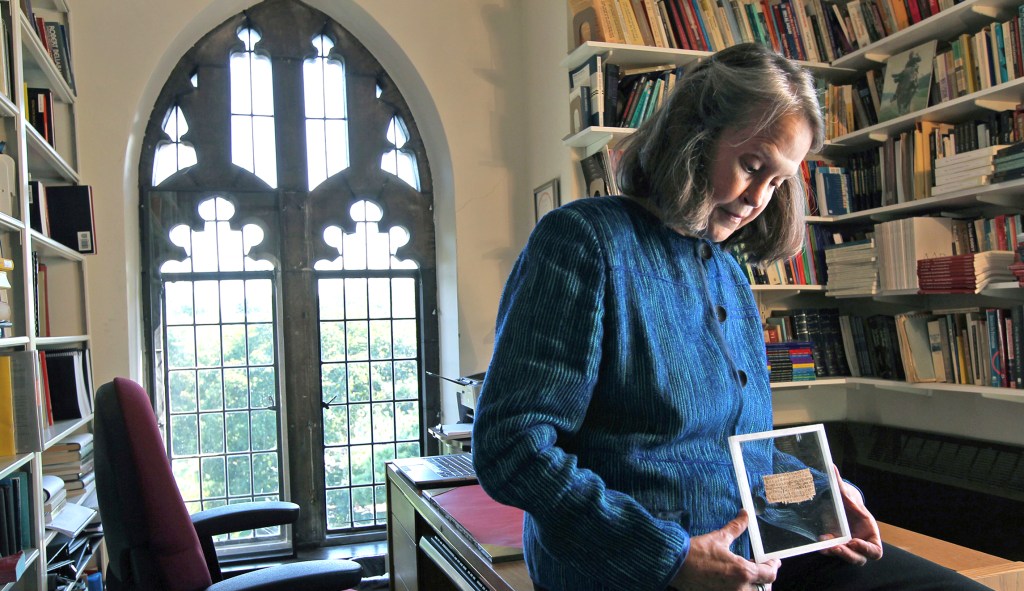
On Sept. 18, 2012, in Rome, 58-year-old Karen L. King, a senior Harvard Divinity School professor specializing in early Christian history, disclosed to a conference of Coptic scholars — experts in ancient Egyptian Christian texts — that an undisclosed person had given her access to a scrap of papyrus stating in Coptic, “Jesus said to them, ‘My wife.’” The fragment, which King said dated to the fourth century, was tiny, the size of a business card, bearing only eight lines of crude, truncated script, plus a few scattered words on its reverse side. But King had given it a grandiose name: the Gospel of Jesus’s Wife. It was a bombshell revelation, giving credence to Dan Brown’s bestselling 2003 novel The Da Vinci Code, whose plot involved a marriage between Jesus and Mary Magdalene. The media duly poured out rivers of speculation over what this discovery could mean for the future of Christianity.
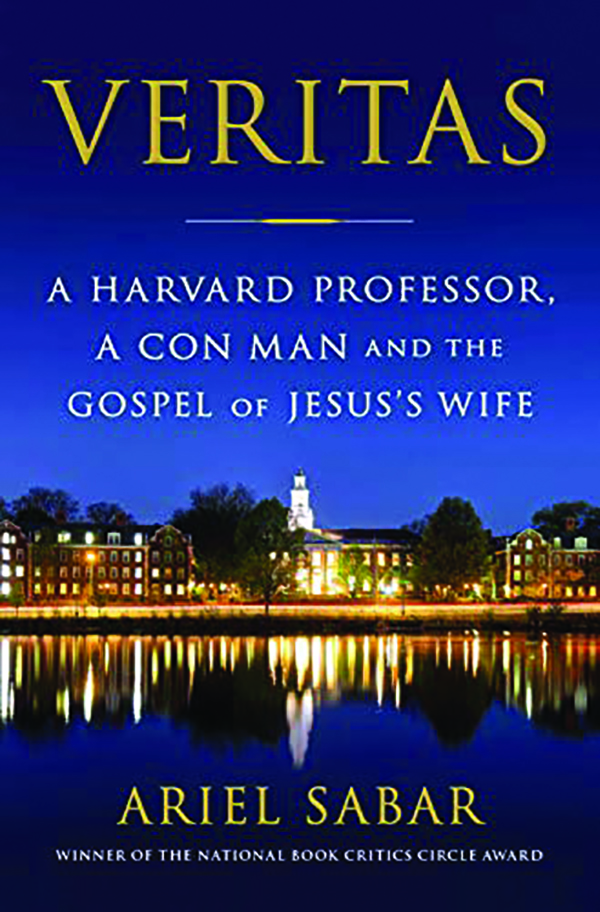
This disclosure had been carefully timed and orchestrated by King and Harvard’s publicity machine, which granted reporters exclusive interviews with her before the conference, so that news stories were breaking even as she spoke. One of those reporters was Ariel Sabar, writing a magazine piece for the Smithsonian Institution, which in addition had a television documentary about the papyrus ready for release. Also ready to go was a 52-page article by King for the Harvard Theological Review, in which she contended that the words on the papyrus were likely a translation of a lost second-century Greek tract from a dissident theological tradition that held that Jesus had been married, probably to Mary Magdalene (the papyrus mentions a “Mary”).