

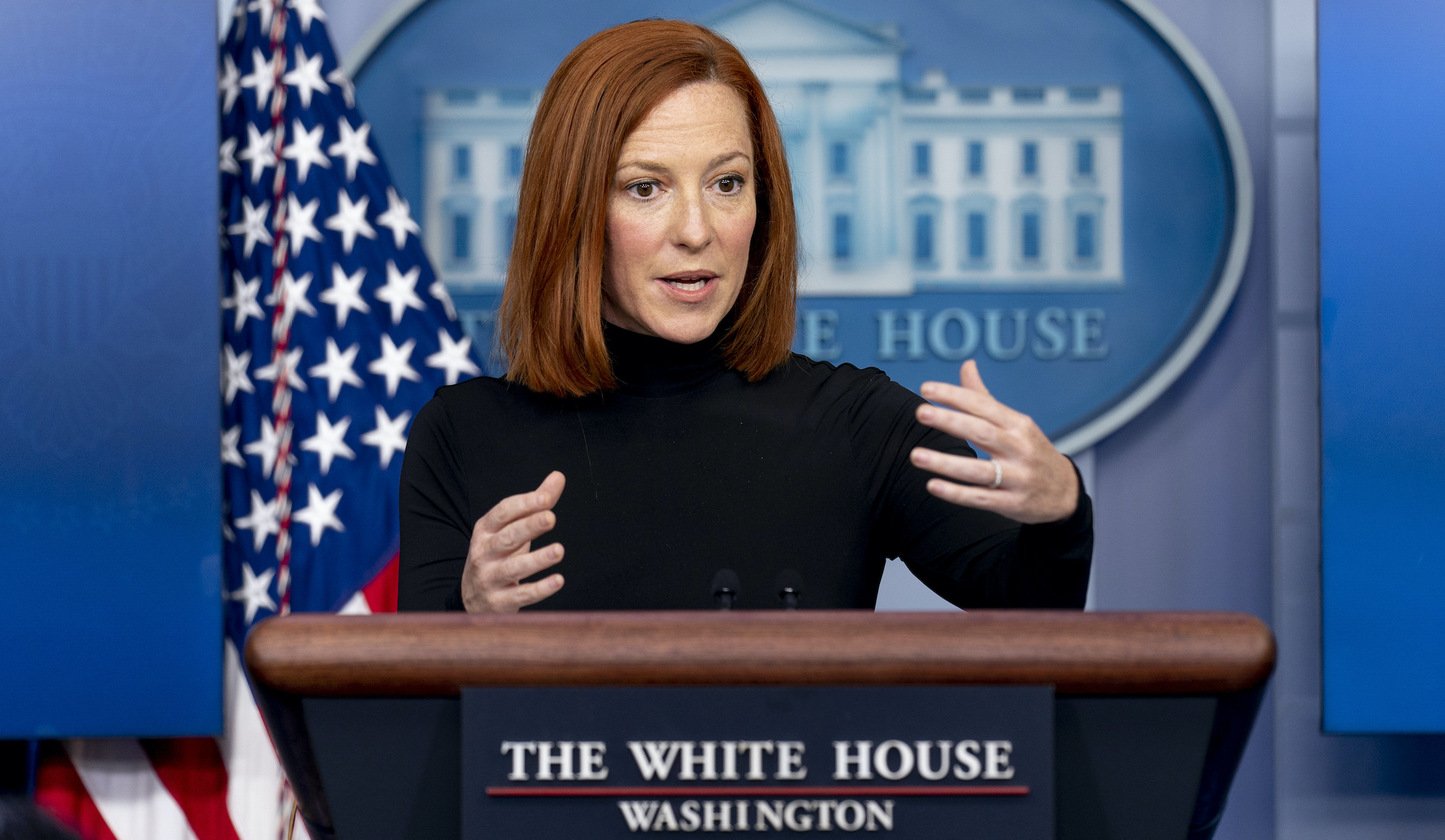
White House press secretary Jen Psaki declined to say whether U.S. special operations troops would remain in Afghanistan following President Joe Biden’s promise of a full military withdrawal by Sept. 11.
“I’m obviously not going to get into operational specifics from the podium,” Psaki told reporters on Wednesday, when asked whether the drawdown of troops would include special operations troops or special forces. “I will say that we may, we will have what is needed to secure a diplomatic presence, and those assessments will be made over the coming months and obviously led by the Defense Department and State Department.”
Recommended Stories



BIDEN TO SAY ‘IDEAL CONDITIONS’ FOR CLEAN AFGHANISTAN EXIT WILL NEVER EXIST
Mired in the decision of when and how to withdraw from Afghanistan is whether blowing past a May 1 deadline, a date the Trump administration pledged in a peace agreement with the Taliban last year, could draw the United States back into the multi-trillion-dollar conflict.
Following news of the deadline extension, Taliban officials said they would no longer attend a U.S.-led peace conference in Istanbul next week, spearheaded by the Biden administration. The group has also said that U.S. forces will be targets if Washington fails to withdraw by May 1.
Psaki said Biden would not be swayed by threats inside the country.
“We have an expectation that the Taliban is going to abide by their commitments and that they are not going to allow Afghanistan to become a pariah state,” she said. “The president believes we can’t have U.S. troops as bargaining chips. Now is the time to get out.”
On Wednesday, Biden detailed his decision to end the two-decade war in remarks in the White House’s Treaty Room, arguing that the “ideal conditions” for withdrawal will never come.
The president said the U.S. will begin removing troops on May 1, in advance of the September deadline, which also marks the 20th anniversary of the start of the conflict.
Nearly 2,500 U.S. troops are stationed in the country, along with up to 7,000 NATO and partner country troops and a further 13,000 contractors. All are expected to leave ahead of the deadline.
Ambassador William Burns, Biden’s CIA director, said the move carries the “significant risk” of a resurgence by al Qaeda or ISIS once the U.S. leaves.
“When the time comes for the U.S. military to withdraw, the U.S. government’s ability to collect and act on threats will diminish. That is simply a fact,” Burns said.
The White House has stressed that it is seeking a nonmilitary solution and that Biden’s plan for a full U.S. troop withdrawal would not be conditions-based. A senior administration official told reporters on Tuesday that Biden views such an approach as “a recipe for staying in Afghanistan forever.”
“We certainly believe that a diplomatic path is the only path forward,” Psaki said shortly before the president’s remarks.
She said the U.S. would continue to provide “significant humanitarian resources.”
“We have a stake in stability,” she said. “So, we are, we will continue to be engaged.”
Psaki would not say whether Biden’s national security advisers agreed unanimously with the drawdown but said the president had wanted a review of the conditions that wasn’t “sugar-coated.”
“He welcomed debate and different points of view and ultimately came to the decision on the withdrawal plans,” Psaki said.
Still, Biden said Wednesday that the U.S. “will not take our eye off the terrorist threat,” suggesting a significant continued presence in the region, albeit by nonmilitary means.
Washington “will reorganize our counterterrorism capabilities, and the substantial assets in the region to prevent reemergence of terrorist threat to our homeland over the horizon,” Biden said.
CLICK HERE TO READ MORE FROM THE WASHINGTON EXAMINER
Biden’s plan has already drawn forceful criticism from top Republican lawmakers.
Rep. Liz Cheney of Wyoming called it “fundamentally dangerous” while speaking to reporters Wednesday, charging that “any withdrawal of forces that is not based on conditions on the ground puts American security at risk.”
On Tuesday, Senate Minority Leader Mitch McConnell called the plan “a grave mistake” from the Senate floor. “It is a retreat in the face of an enemy,” he said.
