

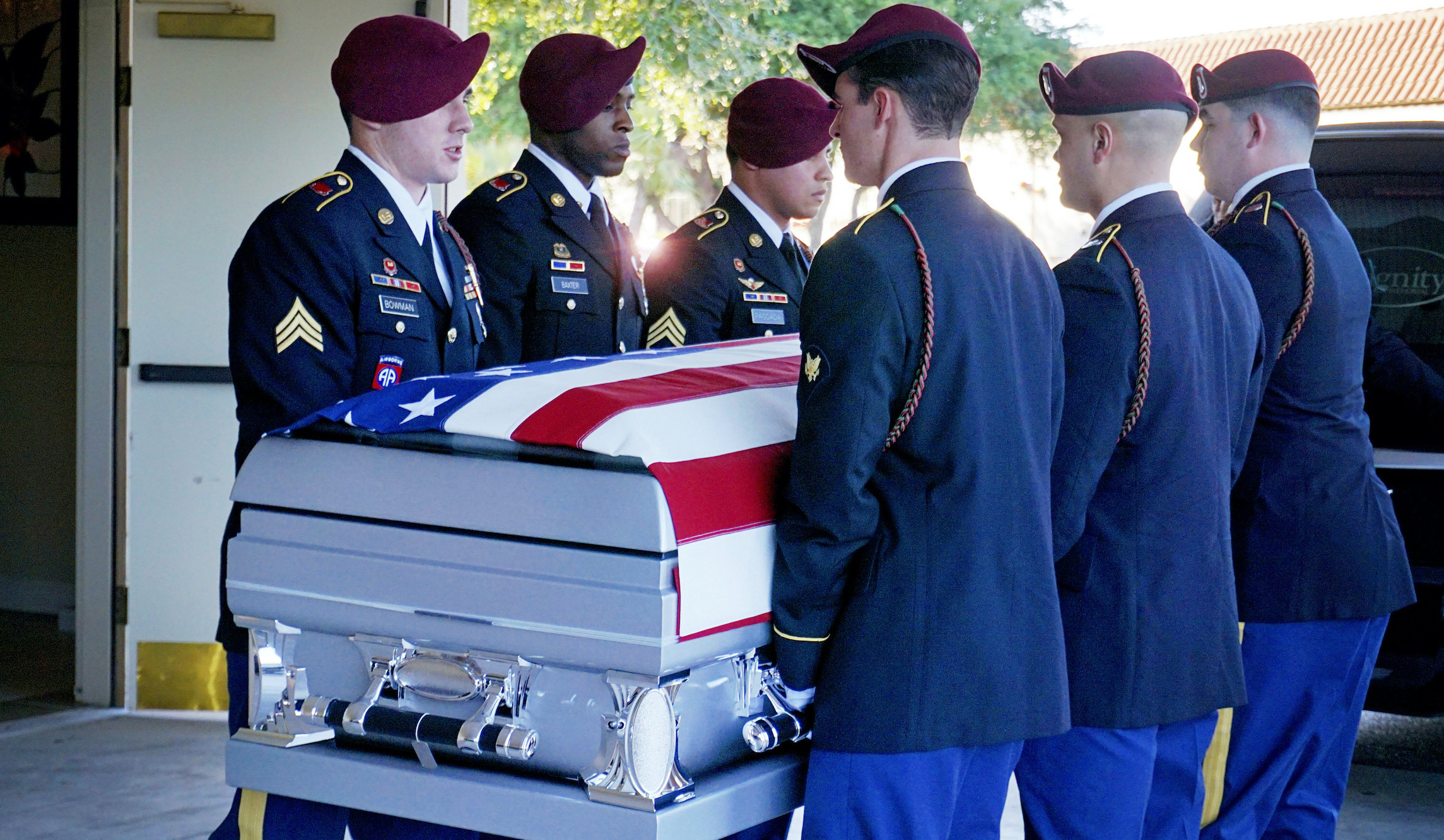
Impeachment coverage is sucking all of the energy out of Washington, D.C., and Americans across the country are frantically running to the malls for last-minute holiday shopping. All the while, halfway around the world, our soldiers in Afghanistan continue to fight and die in a war that entered its 19th year this October.
An American service member was killed on Monday in a combat operation, the 20th troop fatality by hostile fire in Afghanistan this year. We don’t yet know the cause of death (the Taliban claims that the soldier perished in an explosion), but the exact circumstances are far less important than the depressing reality that American soldiers remain on the ground, putting their lives on the line pursuing an impossible mission with endless goals. And now, as a result, one more American family will be forced to celebrate the holiday season without a son, daughter, mother, or father returning home safe and sound.
Recommended Stories


Twenty American troops have been killed during combat operations in Afghanistan this year, one of the deadliest years for U.S. forces since 2015.https://t.co/v8hjEs2afk
— Washington Examiner (@dcexaminer) December 23, 2019
The last few weeks of Afghanistan coverage have centered on the Washington Post’s “Afghanistan Papers,” a series based on unpublished interviews conducted by the U.S. special inspector general for Afghanistan reconstruction. For good reason: The reports describe systemic blunders in every aspect of the war effort.
The overall picture painted by the documents is one of hubris, wasteful spending, mountains of corruption, and outright deception about the war’s progress from senior political and military officials. The night-and-day difference between what the soldiers in the field experienced and what the officials in Washington and Kabul sold to the public is remarkable.
But far less attention has been paid as of late to the human cost of the conflict, both to the U.S. troops who were deployed and to the Afghan civilians who were often caught in the middle. And the human cost has been astronomical.
The raw numbers are stunning: More than 147,000 people have been killed since 2001, including 2,240 U.S. troops, tens of thousands of Afghan soldiers and police officers, and tens of thousands of Afghan civilians. Yet even these figures still don’t do the situation justice. Every life lost is another life taken away prematurely and another family affected. In the case of families back in the U.S. with loved ones deployed in the war zone, one more death is one more reminder of the nightmare that could happen to their loved ones if the conflict continues on its present course.
It’s not their fault: The men and women who have been ordered into Afghanistan have done precisely what their superiors ordered them to do. They’ve carried out the mission with the bravery, dedication, innovation, and selflessness one would expect from the finest fighting force in the world. The orders and policies may have been boneheaded, but at least they were carried out as best they possibly could be.
Yet the longer our involvement in this failed war goes on and the more intense the strain becomes, the more frequently Americans will be confronted with the question: How much more are we willing to sacrifice?
Daniel DePetris (@DanDePetris) is a contributor to the Washington Examiner‘s Beltway Confidential blog. His opinions are his own.
