

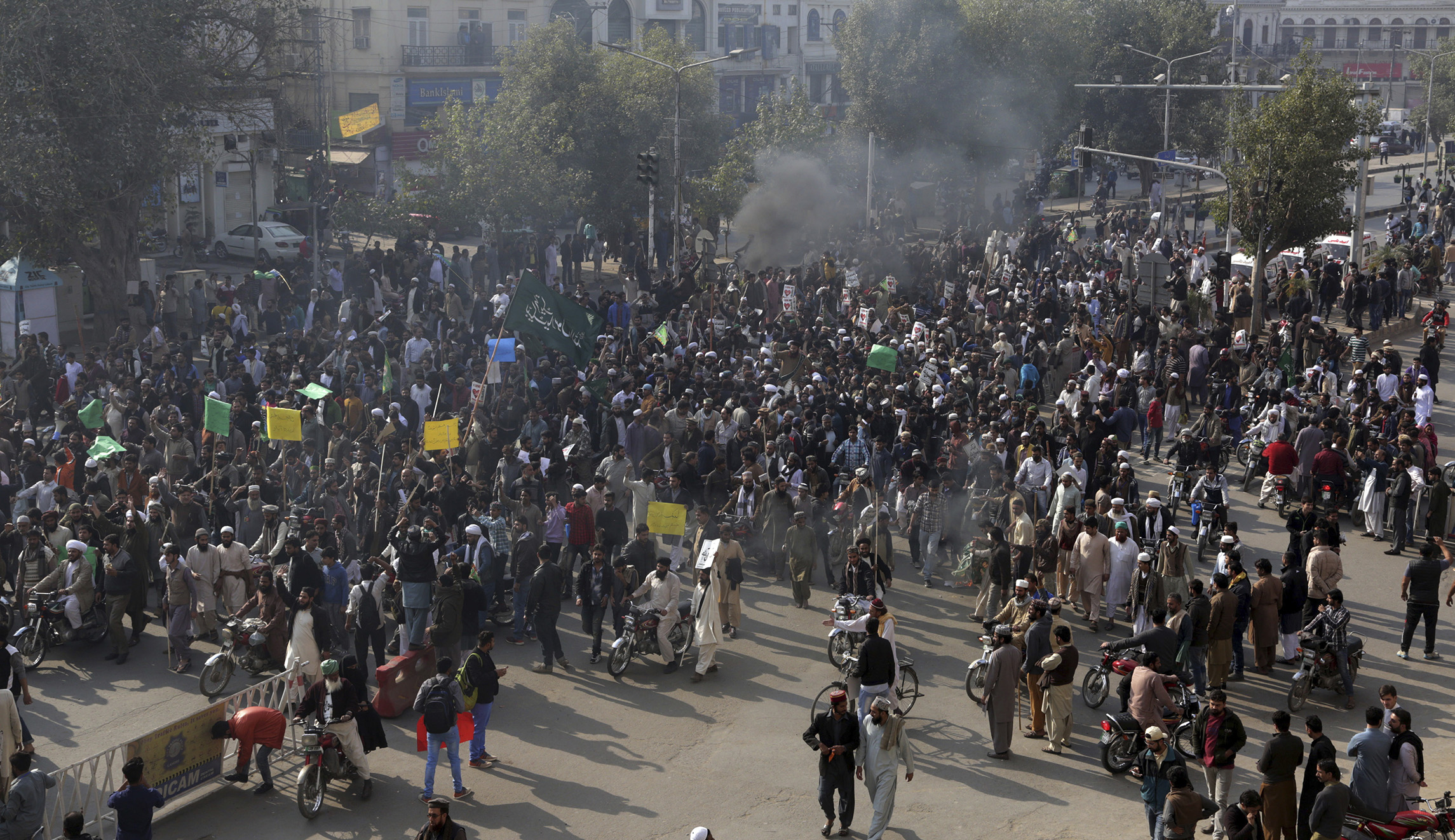
This weekend’s rioting in Pakistan illustrates the political energy of hardline Islamists in that nation. Still, the government isn’t about to fall into the hands of fanatics.
Those violently taking to the streets are motivated by government efforts to temper Pakistan’s aggressive anti-blasphemy laws. Specifically, the protesters are infuriated by a short-lived alteration to Pakistan’s electoral oath. While the alteration was canceled after the protesters raised their concerns, they claim the minister responsible has blasphemed against God and must resign.
Recommended Stories


Led by hardline Islamist Khadim Rizvi and galvanized by anti-blasphemy obsessions, the havoc in Islamabad, Karachi, and other cities will continue in ebbs and flows. Yet the chaos isn’t as random and emotional as it might first appear. What’s really going on here is that the Islamists are jockeying for attention in the run-up to next year’s elections. The basic intent of zealots like Rizvi and just-released terrorist, Hafiz Saeed, is similar to that of U.S. politicians: galvanize the base!
That said, while those on the streets might seem like a major threat to Pakistan’s stability, they lack the power to contest the government or, more importantly, the Pakistani military.
At the most critical concern-level, Pakistan’s armed forces have absolute control over the country’s nuclear weapons program through a well-led and dedicated strategic command. Home to many terrorist organizations who would love an apocalyptic showdown with India, the army is well aware that national survival depends on its ensured control of nuclear weapons. If not, India might launch a pre-emptive nuclear attack.
Correspondingly, absent a military revolt by Islamic fanatics (which is highly unlikely) a Pakistani terrorist group isn’t seizing control of nuclear-tipped intercontinental ballistic missiles anytime soon. The real issue with Pakistan and terrorism is what it has always been: elements in the government who believe they can use Islamic extremists to their own advantage.
Moreover, while the nation’s political structures are defined by endemic corruption and not-so-rare outbursts of violence, Pakistan retains a diverse and energetic array of political movements. Fortunately, the secular, secular-leaning, or more business-friendly (aka less crazy) parties hold a plurality of power in both the Senate and National Assembly. Yes, they must pay homage to Pakistan’s all-powerful military, but the military craves stability and the entrenchment of its power above all else.
Pakistan is not the most stable nation on Earth, but you shouldn’t panic — Rizvi’s hordes aren’t taking power anytime soon.
