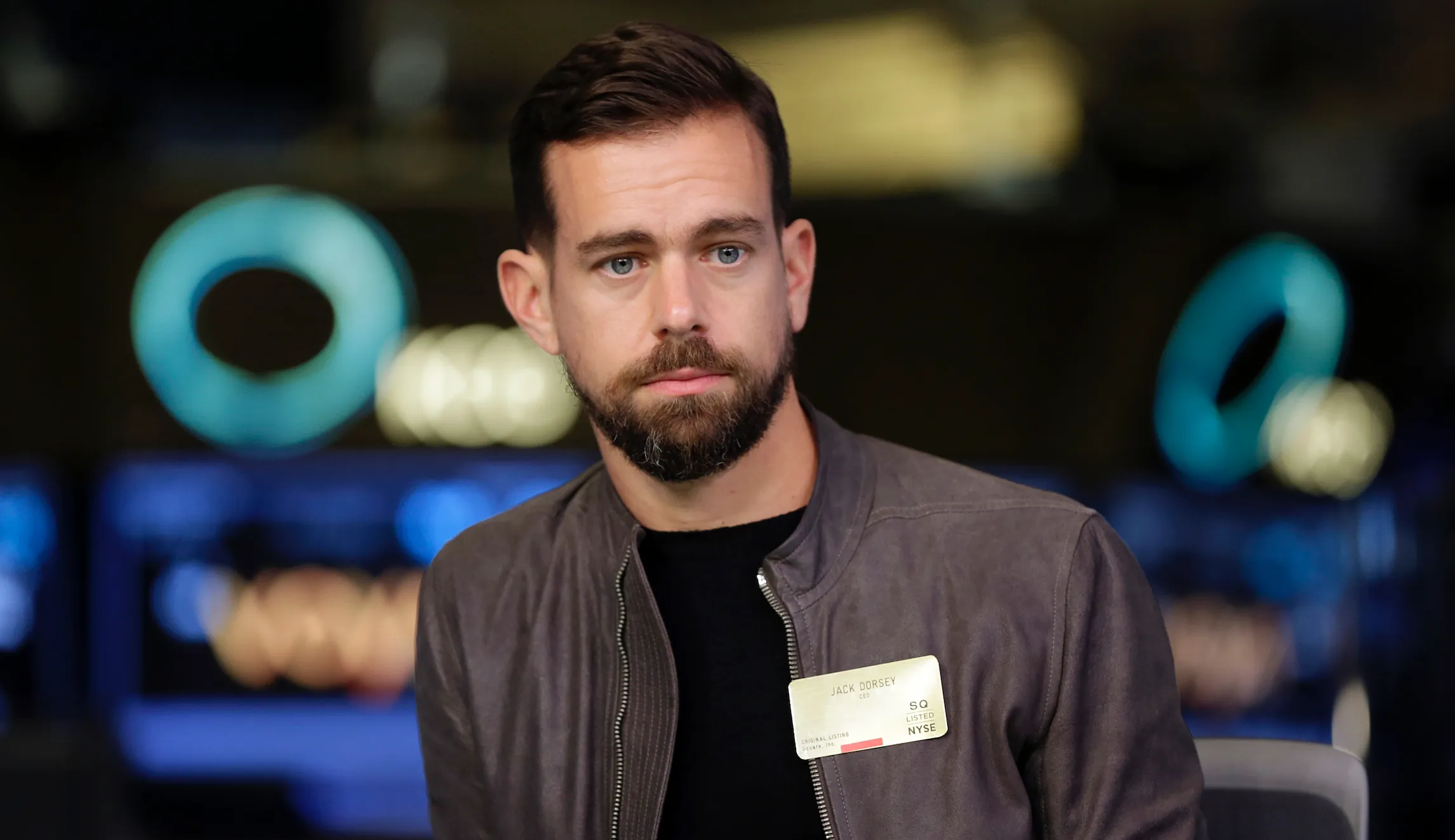
We are going to miss Jack Dorsey at Twitter

Twitter has not always been fair, honest, or tolerant of politically unpopular ideas or people. It banned President Donald Trump but allows multiple propaganda accounts from the slave-state of North Korea and the terrorist state of Iran. The social media platform often freezes out users for nonoffenses and occasionally tries to use its rules to advance culture-war extremism.

Twitter’s worst decision was blocking links to stories, just before the election, that shed light on the tawdry connections between Biden family foreign business dealings and Biden’s positions.

That was egregious and indefensible. Twitter, along with most of the news media and Big Tech, became part of the effort to elect Joe Biden, specifically by cutting off access to information detrimental to Joe Biden.

For these and many other reasons, outgoing CEO Jack Dorsey deserves blame. But the irony is that Dorsey was, among all those in the tech world, more attuned than most to the dangers posed by his company and his industry.

Dorsey admitted that throttling access to the Hunter Biden story was “a total mistake.”

Dorsey also, unlike Facebook CEO Mark Zuckerberg, admits that regulating platforms would have a detrimental effect on free expression because it would protect the massive incumbents from the threat of competition.

In his prepared testimony, Dorsey also pointed out that a government-regulated platform would inevitably become a platform where criticism of the government was prohibited or chilled.

“Different businesses and services will have different policies, some more liberal than others, and we believe it is critical this variety continues to exist,” he said. “Forcing every business to behave the same reduces innovation and individual choice, and diminishes free marketplace ideals. If … we woke up tomorrow and decided to ask the government to tell us what content to take down or leave up, we may end up with a service that couldn’t be used to question the government. This is a reality in many countries today, and is against the right of an individual. This would also have the effect of putting enormous resource requirements on businesses and services, which would further entrench only those who are able to afford it. Smaller 854 businesses would not be able to compete, and all activity would be centralized into very few businesses.”

This answer is true, insightful, and incredibly important. Big businesses often form alliances with big government to the benefit of both and often to the detriment of the public good.

The post-Dorsey leadership, under new CEO Parag Agrawal, may avoid this temptation. It may resist the siren call of hysterical millennial and Gen Z staffers calling for more censorship of conservative opinions. But both of these forces will likely prove overwhelming. Post-Dorsey, I expect Twitter to become more censorious, to lobby for more regulations, and to become an active participant in the Left’s culture-war offenses.

Related Content

Related Content
