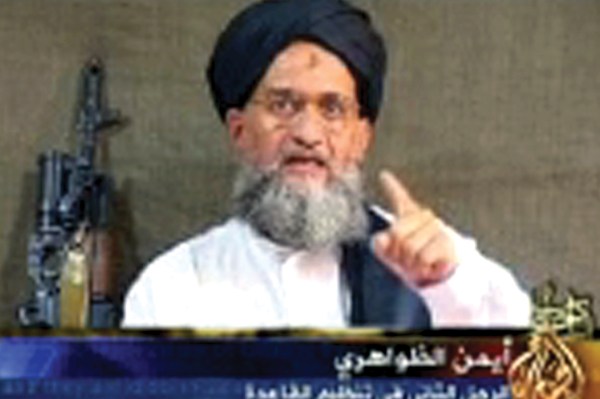
Ever since the September 11 attacks, some in counterterrorism and intelligence circles have tried to define al Qaeda narrowly, thereby limiting the scope of the organization’s threat. We’ve seen this in the recent debate over the number of al Qaeda operatives in Afghanistan, for instance. CIA Director Leon Panetta said that only 50 to 100 al Qaeda terrorists are operating in Afghanistan. That estimate does not make any sense when compared to various facts, and the real number is certainly far greater.
But even if that number is right (and it isn’t), it is still based on a misleading definition of al Qaeda. Some define “al Qaeda” such that its ranks are confined to senior leaders like Osama bin Laden and Ayman al Zawahiri, and the terrorists who have sworn bayat (an oath of loyalty) to them. This does not make any sense either, as senior al Qaeda terrorists such as 9/11 mastermind Khalid Sheikh Mohammed and Abu Zubaydah did not swear bayat to al Qaeda’s senior leaders for years. But that did not stop them from being master terrorists responsible for thousands of deaths in al Qaeda’s name.