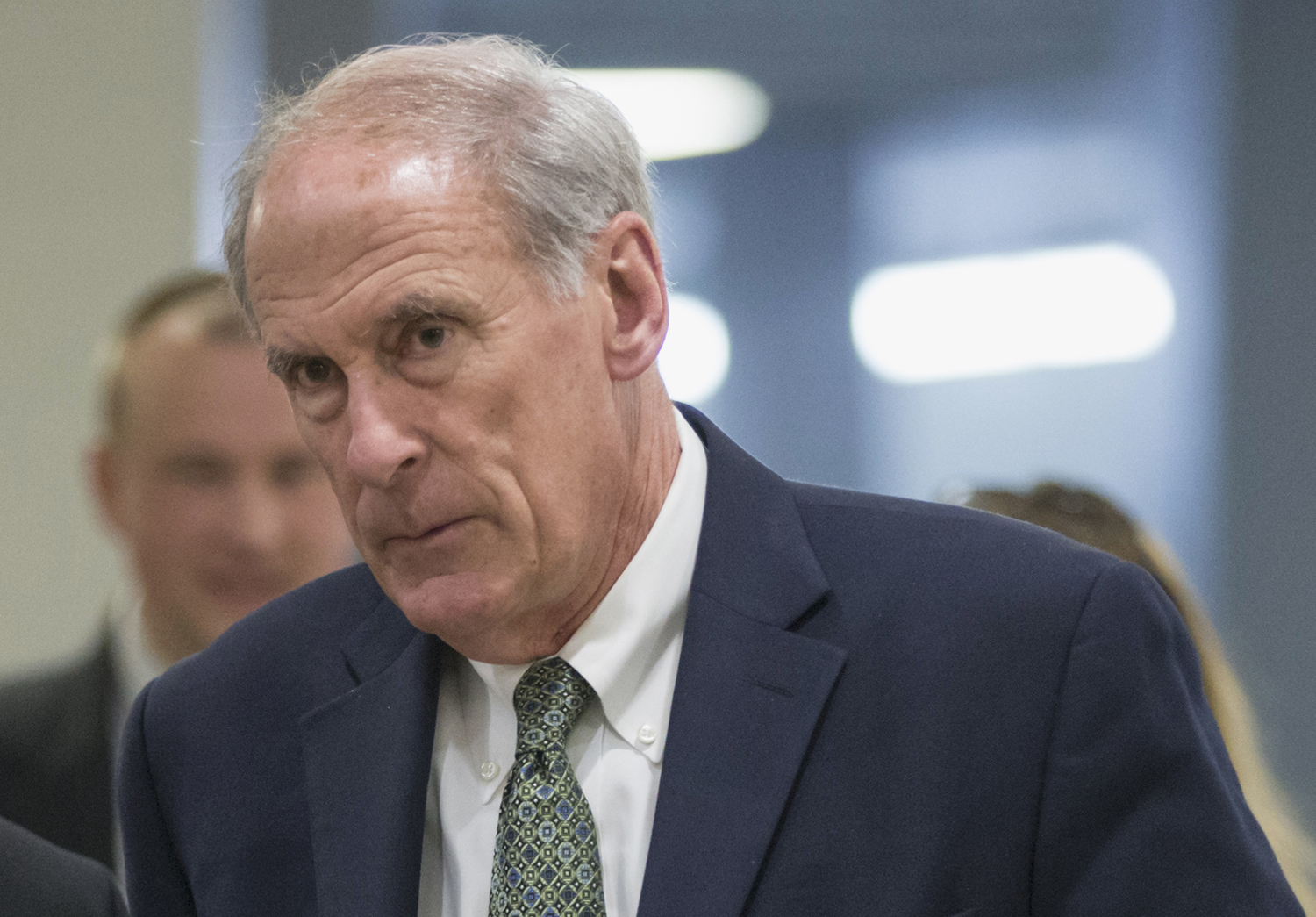
Sen. Dan Coats introduced legislation Wednesday that would set up an independent commission to recommend spending reductions that Congress would be forced to vote on, an idea based on the Defense Department’s Base Realignment and Closure program that has been used to reorganize military bases.
Coats, who chairs the Joint Economic Committee, said in a Thursday hearing that the BRAC program is an “extraordinary success in terms of forcing action” by Congress. The Indiana Republican said it’s “a model that may allow us an opportunity to address this significant problem,” namely projections that the debt is set to rise to nearly 90 percent of the economy by the end of the decade.
Coats’ commission would lean on independent, non-government experts to propose ways to reform entitlement programs, so that mandatory expenditures — that is, spending that occurs automatically each year through programs like Social Security and Medicare or through interest payments on the debt — fall to below half of total federal spending after 10 years.
His bill also includes a backstop to make sure that the process works. If Congress failed to vote for the recommendation submitted by the commission, or replace it with a plan of their own, spending would be cut across the board to keep spending growth below 3 percent annually. Those automatic spending cuts would be similar to the sequestration cuts imposed in 2013.
Although Coats is retiring at the end of his current term, his bill is one that could live on in future budget negotiations. The general idea is one that members of the Senate Budget Committee have been discussing in talks over budget process reform.
Congress has experience turning to commissions to deal with tricky budget problems. In 2011, during negotiations over the debt ceiling, President Obama and then-House Speaker John Boehner struck a deal to create a fiscal commission to recommend changes to Congress. That commission, comprising members of Congress, failed to reach an agreement, triggering the sequestration process and imposing the spending caps on military and domestic spending that still apply to future years.
Coats’ commission would not include members of Congress. Instead, independent experts would staff it, chosen by the president and congressional leaders.
