

Amid all the assessments of the candidates in last Tuesday’s Democratic debate, relatively little was said about the substance of their proposals. One item that stood out was college tuition — a subject that should remind voters of the old adage, there’s no such thing as a free lunch.
Democrats like to frame their proposals as one for “free college tuition,” but there is no such thing. Teachers and administrators cannot afford to work for free. Someone has to pay them. If you work for a living, that someone just happens to be you. Having already paid for your own college education, you now have the privilege of doing it all over again for someone else.
Recommended Stories


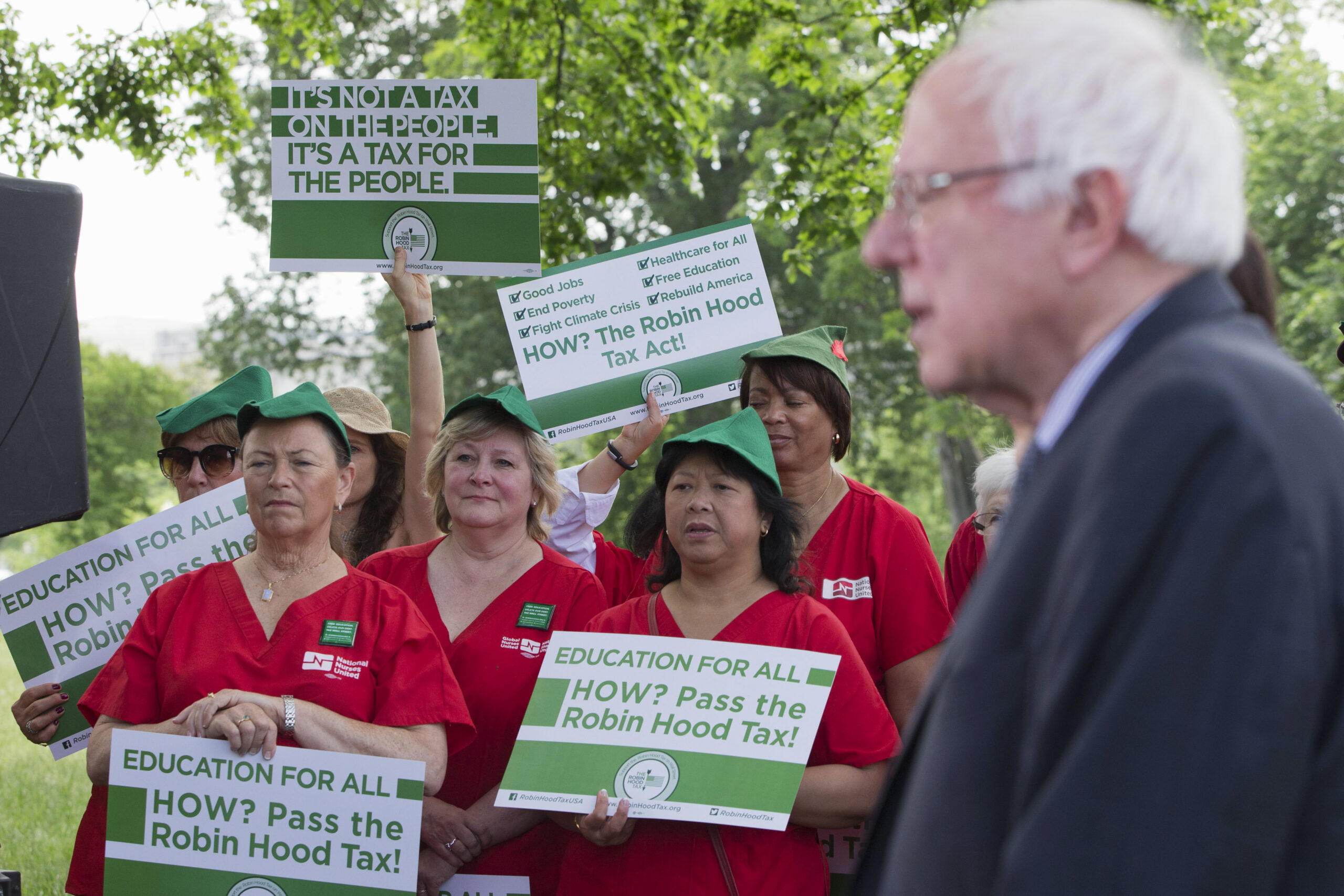
Sen. Bernie Sanders, the democratic socialist from Vermont, wants taxpayers to foot the students’ entire bill at all public colleges and universities. This will cost $70 billion per year.
Sanders plans to raise most of this money with a new tax on financial market transactions. This might sound like an easy way to soak Wall Street without affecting everyday Americans, but in fact it’s fool’s gold. The academic literature, including studies by both the non-partisan Congressional Research Service and the European Commission of Sweden’s brief experience with this kind of tax, finds that it causes trading volume and asset values to plummet immediately and sends foreign investment (no small part of U.S. markets) fleeing. This results in lower GDP and in some cases lower overall tax revenue. Americans counting on pensions and 401(k) plans for retirement would suffer even if they are exempted from paying the tax on their own transactions.
Hillary Clinton has a slightly less ambitious plan for college than Sanders. She wants to obviate the need for student borrowing at public colleges and universities by having taxpayers meet all student need. An AP fact check suggests that the cost to taxpayers is sure to exceed the $35 billion per year figure provided by her campaign, because more students would choose public colleges. Perhaps this is so, but either way, the plan contains extra hidden costs to taxpayers at the state level. One condition for state schools to get federal money under Clinton’s plan is that states also spend more state money on them.
Both Sanders’ and Clinton’s plans are mere exercises in cost-shifting that will do little to impose discipline on out-of-control college prices. For the last several decades, academia has been heavily subsidized by government student loan programs. Colleges are eligible for more money each year to whatever degree they are willing to raise tuition and perhaps even lower standards.
These perverse incentives, induced by government lending, have caused the cost of college to rise nearly twice as fast that of health care over the last 15 years. They have left students with $1.2 trillion in debt, and they have kept the academic gravy train going strong, even as the quality of U.S. higher education deteriorates.
A sensible approach would be to scale back government involvement, so that colleges have to submit to market discipline and start charging what their customers can reasonably afford. But Sanders and Clinton would simply shift the trillions in costs expected in future years to tomorrow’s taxpayers — the very same people who have just accumulated all of that debt — and then walk away. That is not responsible leadership.
