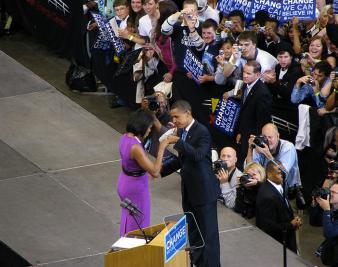
The length of American political campaigns is a source of annoyance to those for whom there is a life other than sound bites, attack ads, and commercials extolling the virtues of their sponsors and the evils of opponents. And the cost of campaigns is a source of amazement to foreign observers. But the cost is trivial: The $1 billion President Obama plans to spend taking his case to the American people is a mere one-tenth of what we spend every year on cinema admissions, and one-twentieth of what we spend to get seats at sporting events. A small price to pay for the opportunity to learn what those who want to govern us think about the issues that concern us. And how each of them plans to get the country off the wrong track down which 74 percent of Americans see the country hurtling.
Start with taxes. The battle among the gaggle of Republicans seeking their party’s nomination has begun to produce real ideas about how to convert the current maze of provisions into a more coherent, more growth-oriented tax structure. Herman Cain finally won recognition as a real contender by unveiling his 9-9-9 plan – 9 percent taxes on incomes, consumption, and corporate profits. No high-priced accountants needed. Texas governor Rick Perry followed by proposing that taxpayers be given the option of the existing system or a flat tax of 20 percent. The details matter less than the fact that the campaign has produced a real debate over how to reform a tax system that has become so complex as to make it impossible for the average taxpayer to fill out his return unaided.