

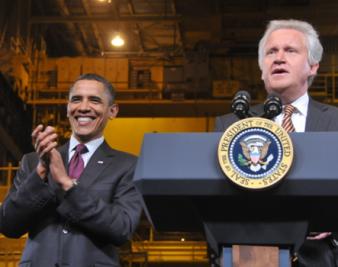
General Electric is divesting its finance business, starting with the sale of $26.5 billion of real estate assets. Back to its roots as an industrial manufacturing powerhouse, churning out jet engines, medical devices, oil drilling equipment and the other heavy equipment. Jeff Immelt finally has reversed the conglomerating surge that made his CEO predecessor, Jack Welch, a revered and legendary figure on Wall Street, on television talk shows, and among the corporate elite. Welch rode a wave of financial deregulation to an ocean of profits; Immelt finds himself drowning in post-crisis financial regulations and wants the safer harbor of the old-time industrial sector. So the age of conglomeration is over, and the advice of Andrew Carnegie (some say it was Mark Twain) is once again fashionable, “Put all your eggs in one basket and watch that basket.” Or is it?
News that conglomerates are no longer in fashion has not reached Omaha, Nebraska, where Warren Buffett’s Berkshire Hathaway conglomerate is home to companies selling insurance (Geico), underwear (Fruit of the Loom), furniture (Jordan’s and RC Willey), transportation services (NetJets and Burlington Northern railroad), ice cream (Dairy Queen), Ketchup and mayonnaise (Heinz and Kraft), and a lot more. Buffett remains on the acquisition trail, the Kraft deal having been completed just last month.
Real journalism.Trusted by millions.
Unlimited access to in-depth reporting, expert analysis, and the stories that shape our country.
Already a member? Log in
