On overbearing FBI, aggressive non-answers from Lindsey Graham

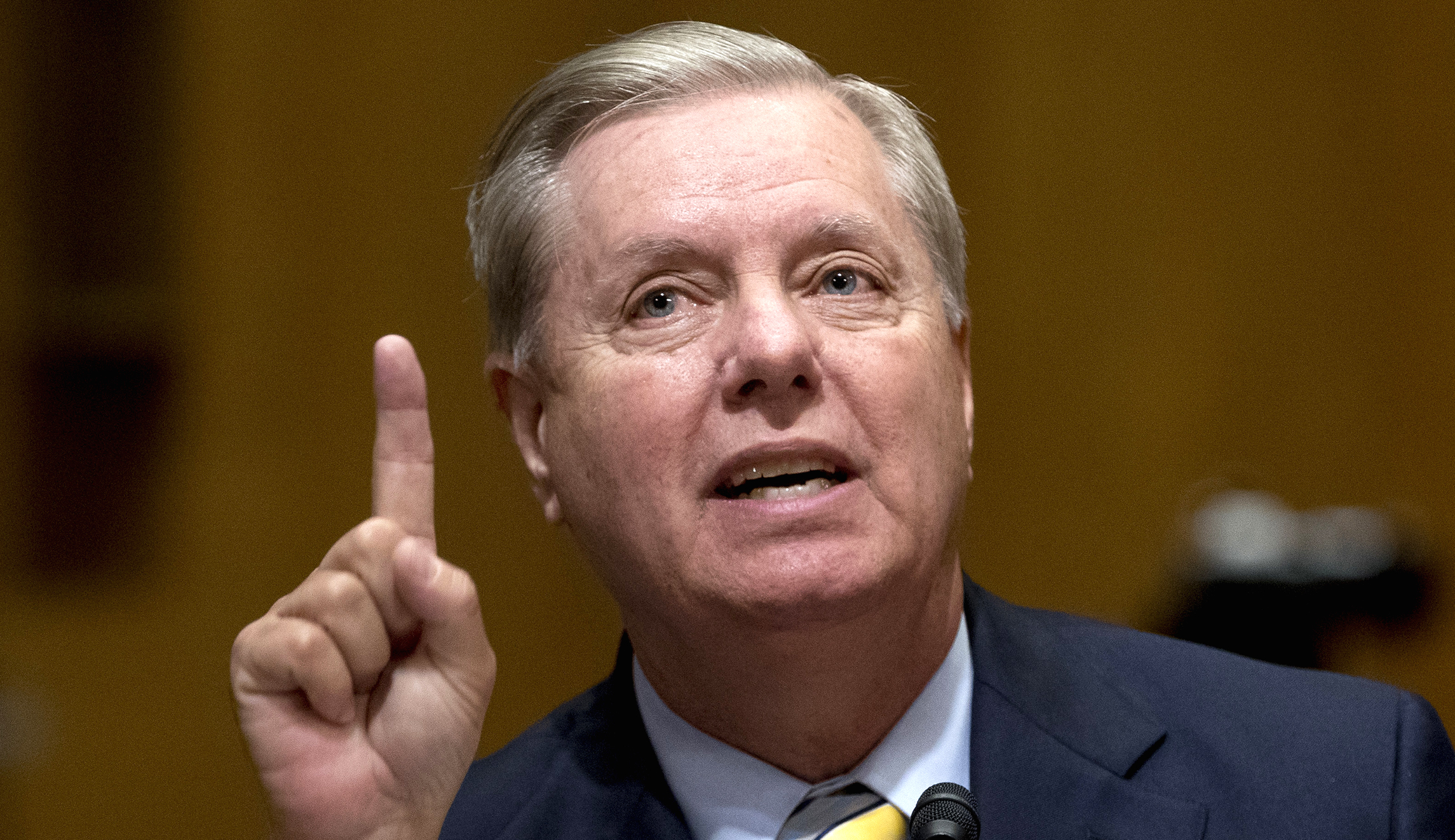
Senate Judiciary Committee Chairman Lindsey Graham, R-S.C., has become something of a publicity hog — but a very selective one.

Late in January, I wrote approvingly of Graham’s demand that FBI Director Christopher Wray provide a briefing on why such heavily armed force was used to arrest Donald Trump confidant Roger Stone. Bizarrely, Graham then went silent about whether or not the FBI ever provided the briefing he had requested, with press aide Kevin Bishop haughtily fending off simple and friendly questions by explaining the Graham team’s refusal to answer in this way:

“I’ve been with Sen Graham for 20+ years. I won’t dispute the fact that we operate much differently than many in the Congress. But we have found that operating in a manner we are comfortable with seems to work for us. Again, when we have something to say on these topics, and knowing of your interest, we will be sure to let you know.”

That came on Feb. 14. Since then, we have had no further elaboration on Graham’s inquiries into a matter that has considerable implications for public safety.

Until late on Friday afternoon, Feb. 22. Out of the blue, another Graham press aide, Taylor Reidy, emailed this to me: “Knowing of your interest in Graham’s letter to the FBI on January 30 re: the Bureau’s arrest of Roger Stone, I wanted to send along this statement [from the] Judiciary Committee: Chairman Graham has spoken with the FBI about the concerns he raised in the January 30 letter to the Bureau. He will continue to discuss this, and other relevant matters, with the Bureau.”

That was the extent of the note.

I immediately followed up: “What did the FBI tell him? Are his concerns being alleviated? Are there broader policy implications in play here?”

Reidy’s answer: “We have nothing more to add at this time.”

Gee, that’s illuminating.

The questions I originally published still are unanswered. They are highly relevant for public policy. So, to repeat: What factors determine how many agents are used? What determines how heavily armed they should be? What criteria govern how much time should be allotted before doors are broken down? Or how rough the agents are to the suspect once inside? Or how careful they are to use the least disruptive means of searching the house for evidence?

What data, if any, supports the use of riot gear for suspects never known to be violent? How many times have suspects or, worse, innocent bystanders or people subject to mistaken identity, been injured or killed in heavily armed raids? And how often, conversely, have FBI agents been injured or killed, and under what circumstances? Have agents been badly injured or killed by white-collar suspects with no record of violence, and did any neutral analysis determine that the agent’s injury or death would have been avoided if the Bureau had made a greater show of force?

In other words, if there is objective justification for heavy use of force — real evidence that it does more good than the downside risks it carries, rather than just a macho sense that efficacy and safety are bolstered by “overwhelming presence” — then let’s see it.

Thank you.

Related Content
