

House Democrats are weighing an historic plan that would allow lawmakers to vote for each other during the coronavirus outbreak in order to prevent every member from having to return to Washington, D.C., to take action on legislation.
If implemented, the proposal would, for the first time, allow House lawmakers to vote remotely. The House would have to approve a rule change, which could be accomplished through a voice vote or unanimous consent.
Recommended Stories


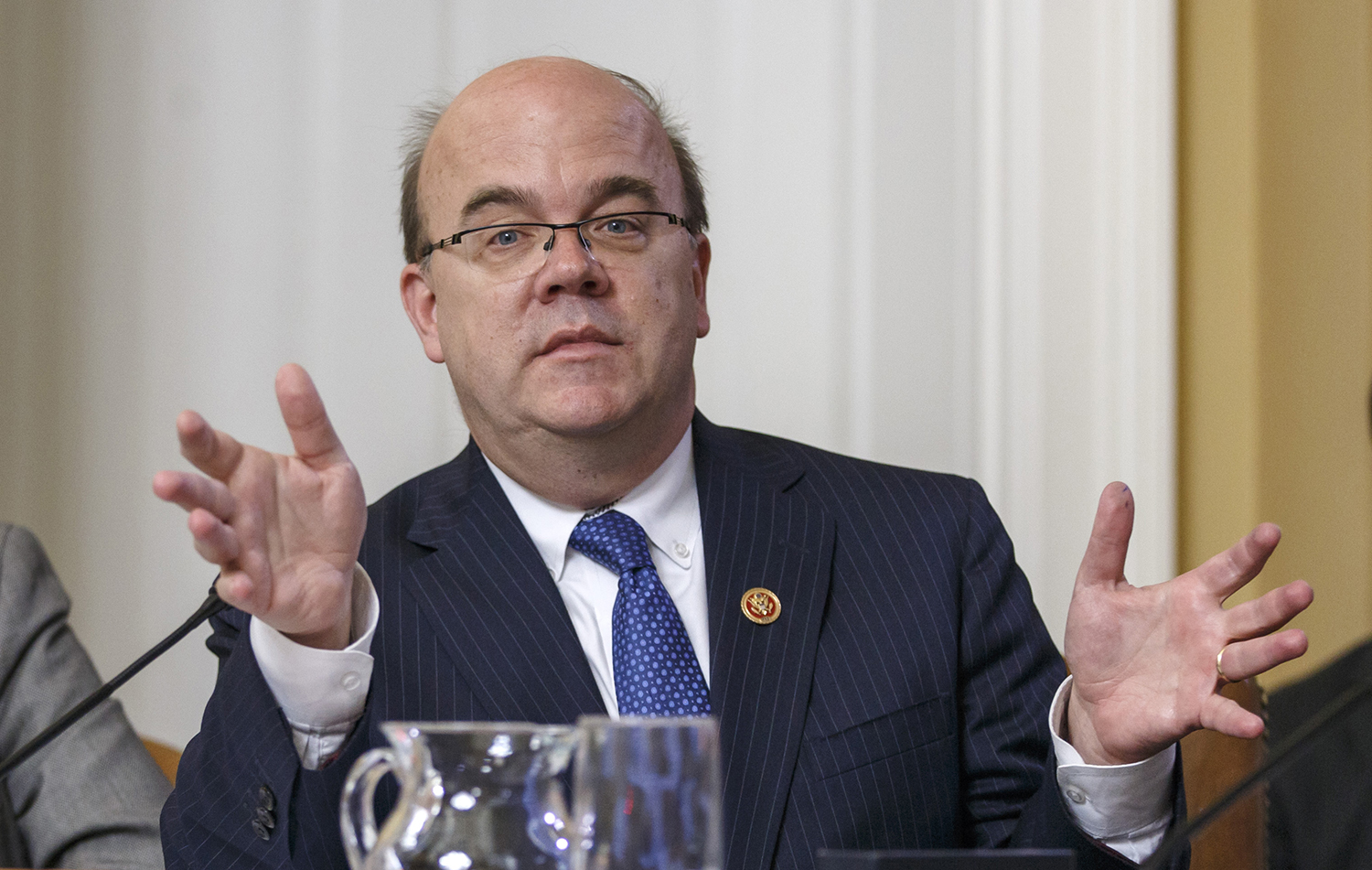
The proposal was released Thursday by House Rules Committee Chairman Jim McGovern, who was instructed by Pelosi to come up with a plan to permit roll call votes, if needed, without forcing all 429 lawmakers to return to the Capitol.
“Under this plan, any Member unable to travel to Washington due to the pandemic could provide specific instructions for each vote to a fellow member who has been authorized to cast those votes on their behalf,” McGovern said in a statement. “A Member casting a vote on behalf of another Member would be required to have exact direction from that Member on how to vote and would have to follow that direction.”
McGovern said the proposal is not typical proxy voting, which in practice would allow a lawmaker to vote for another lawmaker. In this instance, McGovern said, “Members would have to direct each and every vote,” and not just provide “a general proxy.”
The proposal would require a change in the House rules and would be in practice only during the coronavirus pandemic that is preventing lawmakers from gathering, McGovern said.
Lawmakers who are not able to come to Washington would have to provide “a letter to the Clerk authorizing another Member to vote on their behalf and providing exact instruction, which must be followed, on how that Member should vote for each scheduled vote.”
The letter could be submitted electronically, McGovern said, and lawmakers present in the chamber who are authorized to vote on behalf of another member can only do so with specific instruction. McGovern said the proxy votes would count toward achieving a quorum.
Speaker Nancy Pelosi, a California Democrat, has been cool toward the idea of remote voting.
But lawmakers have pressured leaders to come up with a remote voting plan. The House has been shuttered since mid-March due to the coronavirus and is not scheduled to gavel back in until May 4 at the earliest.
Last month, McGovern issued a report about remote voting using more high-tech methods and found significant security and logistical concerns,” as well as questions about whether it would be constitutional. McGovern staff called the proposal a form of “low-tech remote voting,” and less like general proxy voting. McGovern said he is examining more options for remote voting and conducting legislative business remotely but said it would require more study before considering any permanent changes.
“Making changes to the standing rules of the House and putting in place technology to allow for virtual hearings and markups is complicated and can’t be done overnight,” McGovern said. “But in the meantime, committees can hold briefings and roundtables to continue their work as we continue to work with the Committee on House Administration on these issues.”
