

Thirty-three-year-old Scott Keller is preparing to defend Texas’ new regulations on abortion providers before the Supreme Court this spring. The 2013 law, which requires clinics to meet ambulatory surgical center standards and says doctors must have hospital admitting privileges, has raised major and contentious legal questions about how far states can go in regulating abortion.
While abortion opponents insist the regulations are reasonable steps to protect the safety of women obtaining abortions, supporters of abortion rights say they’re unnecessary and little more than a closeted attempt to force clinics to shutter.
Recommended Stories



As the state’s solicitor general, it’s Keller’s job to defend the law before the nine justices, and in particular, convince moderate Justice Anthony Kennedy to uphold it. Keller is in an interesting position to do that, as he clerked for Kennedy after graduating from the University of Texas School of Law.
Washington Examiner: Will this case set new precedent for how states can regulate abortion, similar to the 1992 case Planned Parenthood v. Casey?
Keller: The case will absolutely have significant ramifications, but our argument is simple. It’s that Casey struck a balance and what Casey said is when medical evidence is in dispute, the states get to regulate. The other side wants to pretend we don’t have any evidence, but of course an admitting-privileges requirement that means providers are near hospitals in case there are complications has health benefits, and of course ambulatory surgical center requirements that require clean facilities and require proper training, of course those raise the standard of care for women.

While abortion opponents insist the regulations protect the safety of women obtaining abortions, supporters of abortion rights say they’re a closeted attempt to force clinics to shutter. (AP Photo)
Now the reason why this case could have significant ramifications is if the court goes the other direction, all sorts of common sense regulations would be in jeopardy. The other side’s test would mean states couldn’t require that only doctors perform abortions, they couldn’t require that doctors have to give informed consent information to women. Even the partial-birth abortion ban, the medical evidence was in dispute in that case and what the court said was because it is in dispute, the legislature gets to pick. But the other side, they don’t want the legislature to have that latitude.
Examiner: In Casey, the court said states may regulate abortion as long as they don’t place an “undue burden” on women seeking an abortion. Will this case lead to a clearer definition of “undue burden?”
Keller: That standard looks at: Is the state placing a substantial obstacle, not an obstacle but a substantial obstacle, in the path of a woman seeking an abortion? These are common sense health regulations. So yes, in applying the standards, is the court going to flesh out a little more of what that means? Absolutely. But it has already said when medical evidence is in dispute, the state gets to regulate to protect women’s health.
Indeed, going back even to Roe v. Wade — the first case that recognized a constitutional right to abortion — the court there said of course states can ensure the maximum safety for patients. And so these regulations of facilities and doctors are common sense health regulations, which is precisely why Texas and many other states that have similar requirements validly enacted them.

Norma McCorvey, center, is the “Jane Roe” from the 1973 Roe v. Wade decision. In that case, justices said states can ensure the maximum safety of patients. (AP Photo)
Examiner: But the challengers to the law say it presents an undue burden to women because it’s resulting in fewer abortion clinics available to them. How do you respond to that argument?
Keller: Since this law was passed, four ambulatory surgical centers have already opened or started performing abortions. So it is simply not the case that you can look at this one window in time to see how many facilities are going to be performing abortions. In 2003, Texas enacted a law that said for abortions 15 weeks gestation or after, the abortion could only be performed in at least an ambulatory surgical center or hospital. At that time there were zero ambulatory surgical centers in Texas performing abortions. Four opened up the next year.
Examiner: You’ve already argued twice before the Supreme Court, losing one case and winning the other. In what ways might defending the Texas law be more challenging?
Keller: It is going to be a high-profile case and the court is going to hear all sorts of arguments, not just from the parties, but from many people who have a stake in it. So it’s a challenging atmosphere because you also have nine justices who are extremely engaged in wanting to pierce your argument to find out “if we rule for you what is that going to mean in future cases.” So we prepare very strenuously for all arguments at the U.S. Supreme Court, and we’re going to do so in the abortion case.
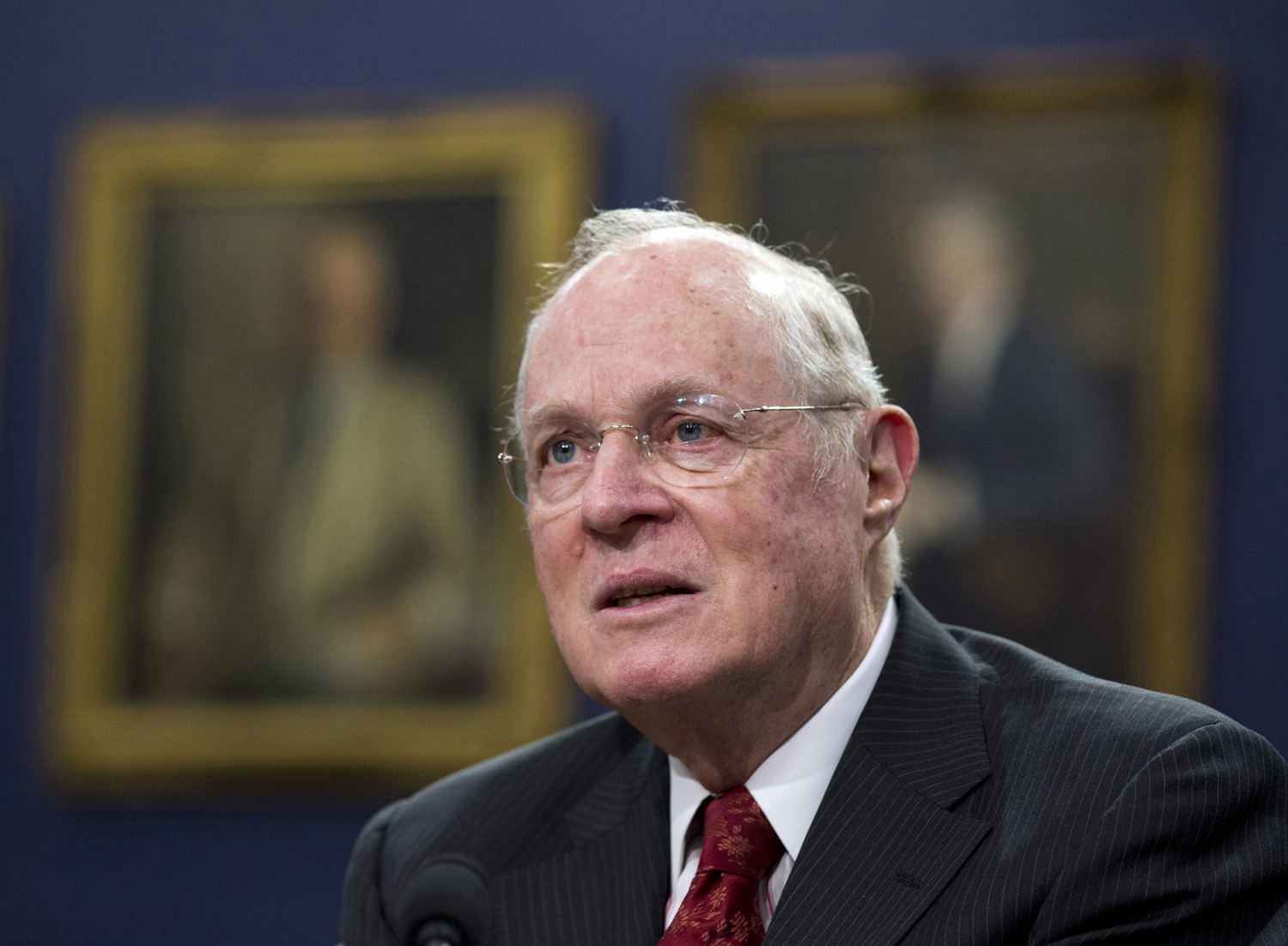
As the state’s solicitor general, it’s Keller’s job to defend the law before the nine justices, and in particular, convince moderate Justice Anthony Kennedy to uphold it. (AP Photo)
Examiner: You clerked for Justice Kennedy, widely viewed as the court’s swing vote. Of what specifically are you hoping to convince him?
Keller: In the lower court of appeals we largely prevailed, and the same arguments we made to the court of appeals are going to be arguments we’re going to be making to the U.S. Supreme Court. This is a case about women’s health. And the Texas legislature, in [enacting] common sense measures to protect women’s health, are precisely the medical regulations the Supreme Court has said are valid and that states can regulate.
Examiner: Every leading medical association disagrees that the Texas law is necessary to protect women’s health. So how do you make a health argument that is compelling to the court?
Keller: Take our admitting-privileges requirement. In 2003, the American College of Surgeons, joined by the American College of Ob-gyns and various other organizations, recommended that if women are going to seek an abortion, they should seek an abortion provider within 20 minutes of a hospital. The National Abortion Federation had similarly recommended that women who are going to get an abortion choose a provider that was near a hospital.
Now why is that? It’s because there are complications from abortion, and the other side doesn’t want to talk about complications. But when there are complications, states are entitled to regulate that to ensure the health of women.
The second law that’s being challenged is our ambulatory surgical center requirement. The Supreme Court in 1983 upheld Virginia’s ambulatory surgical center requirement, and they did so saying, “Of course this is protecting women’s health.”
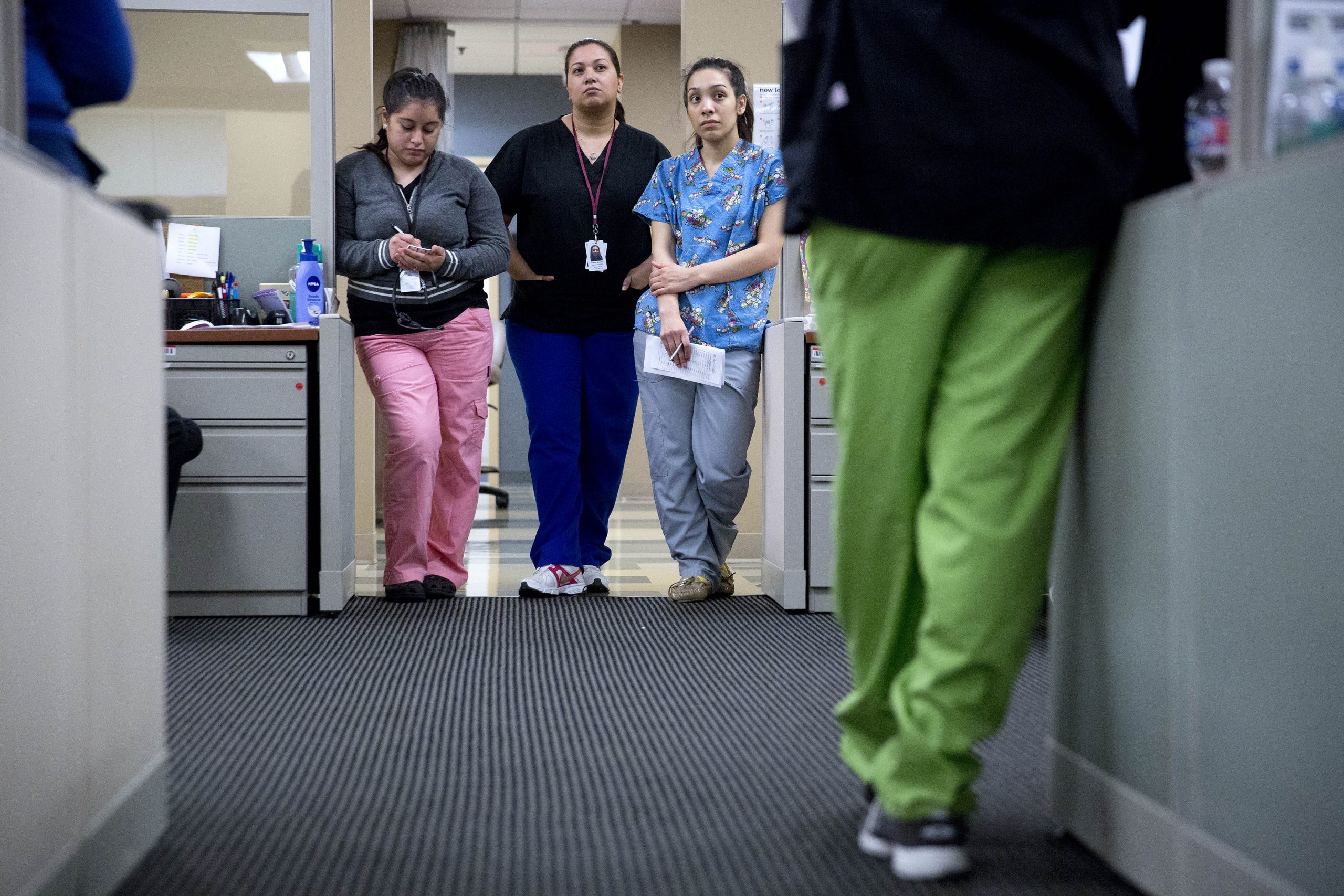
The 2013 law requires clinics to meet ambulatory surgical center standards and says doctors must have hospital admitting privileges. (AP Photo)
Examiner: Do you expect a broad ruling from the court that strikes down similar laws passed in, say, Wisconsin and Mississippi?
Keller: The case, depending how the decision comes out, may very well have a larger impact beyond Texas. But the bigger picture is whether it’s Texas, Mississippi or Wisconsin, states are regulating these facilities and these physicians to protect women’s health.
Examiner: How do you prepare for something as stressful as arguing before the Supreme Court?
Keller: Our office, we have a set process that we will moot cases or have practice arguments … for U.S. Supreme Court cases, we will moot cases multiple times.
As for day of — trying to get as much sleep the night before. I don’t eat a big meal the night before, although I’m a baseball player at heart — I played baseball back in middle school and high school — and so I’m very superstitious when it comes to these things. So lately it’s been I have to have the Subway breakfast the morning of, which is just happenstance of there are Subways everywhere so they’re pretty accessible no matter where you are in town.
Examiner: By the way, how do you feel about Sen. Ted Cruz winning the presidency, since you used to work for him and now hold his former job?
Keller: Ted Cruz would be a terrific president.