Feds crack down on marijuana growers using federal land

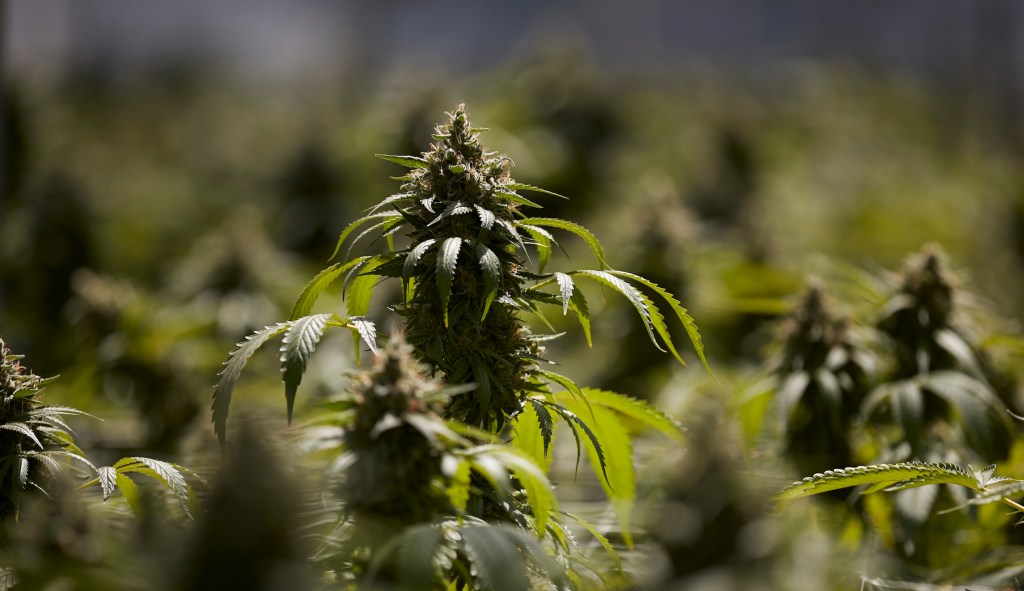
Pot growers who flout the law and plant crops on federal land are the subject of stepped-up targeted operations by federal officials and law enforcement partners in California and Colorado.

California officials gathered reporters near Sacramento Tuesday to tout the interim results of their statewide “surge operation” that is cracking down on people and drug-trafficking organizations that cultivate marijuana on federal land like national parks and forests. The U.S. Forest Service is leading the charge and cooperating with state officials in a bid to kick pot growers off federal land.

Almost 80 people have been arrested and charged in federal court for marijuana production-related crimes so far this harvest season, U.S. Attorney McGregor Scott, whose jurisdiction covers eastern California, announced at the press conference.

“We believe that more federal cases have been brought for prosecution out of these illegal grows in the public lands than ever before, and we have gotten to the midlevel management in larger numbers than ever,” Scott said. He added 638,000 plants had already been destroyed before the season ends in September.

“We have reclaimed our land to a large extent, a land that belongs to the taxpayers and citizens of this nation for their enjoyment and benefit,” Scott continued.

News of California’s successes thus far follows efforts by Colorado officials who are also escalating enforcement actions. They convicted 12 people in 2017 after they found and removed 71,000 plants. Although California’s numbers are much higher, a spokesman for the U.S. Attorney’s Office in Colorado told the Washington Examiner sentences being handed down by judges were becoming ever harsher.

“The punishments have inched up a bit each year. This is the first year we have seen several sentences in the five-year range,” the spokesman said, explaining repercussions were often affected by aggravating factors, such as weapons charges.

The issue of marijuana cultivation on federal land has been a persistent problem since the 1980s. The situation, however, has been exacerbated in recent years thanks to the involvement of Mexican drug cartels, the movement toward the drug’s decriminalization or legalization, and the rampant use of toxic and illegal chemicals on crops.

In terms of scale, a multiagency force of federal, state, local, and tribal partners ripped out 1.5 million cannabis plants in 2017 in the nation’s forests. That figure was up from 1.1 million in 2016 and about 873,000 in 2015. The worst offending states, on average, were California, Colorado, and Kentucky.

While officials offer contradicting predictions on whether the number of plants cleared in 2018 will trend up or down, the U.S. Forest Service, among others, continues to invest in the identification, eradication, and rehabilitation of sites due to the risks they pose to public safety and the environment.

Crops can be guarded with people bearing arms or with booby traps, Lawrence Lujan, a spokesman for the Forest Service’s Rocky Mountain Regional Office, told the Washington Examiner. Growers clear vegetation, damage soil, ruin water sources, and leave trash and infrastructure too, he said.

For Chris Boehm, the Forest Service’s deputy director of Law Enforcement and Investigations, one of the biggest concerns is the frequent discovery of carbofuran. The Environmental Protection Agency banned carbofuran for food crops almost a decade ago because high exposure can trigger respiratory paralysis or death.

Boehm recounted an anecdote in which the Integral Ecology Research Center’s Mourad Gabriel found a carbofuran-tainted site in California where a vulture had died after feeding on a carcass of a contaminated fox. The chemical killed flies who had hovered over the remains as well, he said.

The existence of the chemical additionally encumbers the restoration process, has injured members of clean-up crews, and erodes the Forest Service’s $2.5 million federal budget allocated for anti-marijuana cultivation initiatives.

“Part of enforcement is also public education, and we’ve been trying for years and years to make sure people understand this is not just a drug problem, it’s an environmental one as well,” Boehm said.

Related Content