

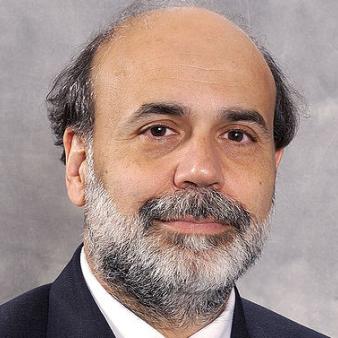
Federal Reserve Board chairman Ben Bernanke hints that he might—perhaps, maybe—be thinking about possibly slowing the Fed’s purchases of bonds and mortgages. That leads bondholders to start selling, driving up interest rates, and causing tremors on stock markets. Not only here in the U.S.: the nervousness spread to markets around the world. “Taper” is the term being used to describe a slowing of Fed purchases from the current $85 billion per month level. If a mere hint that the Fed might taper its bond purchases can cause such stepped-up volatility, imagine what an actual taper might do. Or consider the possibility that markets might make the Fed less relevant. Former Fed chairman Alan Greenspan is warning that “when the bond market begins to move, we might not be able to control it,” leaving the Fed’s monetary policy committee an observer rather than a player as bond prices plunge, interest rates soar, and the economy tanks.
Meanwhile, it is increasingly difficult to separate good news from bad. Consider two bits of fashionable analysis. The first says that good news is, well bad. If the recovery accelerates, if job creation picks up and the unemployment rate plummets, the Fed will taper—cut back on the easing that has elevated share prices and kept interest rates low. That will drive mortgage rates even higher than the 4 percent they reached last week, aborting the housing recovery. So sell on any good economic news. “The American markets are getting worried … that economic growth may be about to accelerate,” reports the New York Times.
Stay informed.Stay ahead.
Join Washington Examiner for unlimited access to the news, analysis, and commentary that matter most.
Already a member? Log in
