“That’s how we handle a global pandemic?” New York Gov. Andrew Cuomo railed at a press conference last month. “I have to call Mr. Kraft and say, ‘Can you do me a favor? … As long as the plane is going, can you pick up masks for me?” Cuomo’s complaint was not only that we are dependent on China for protective gear, but also that he has to rely on a wealthy private citizen, New England Patriots owner Robert Kraft, to bring protective gear for New Yorkers.
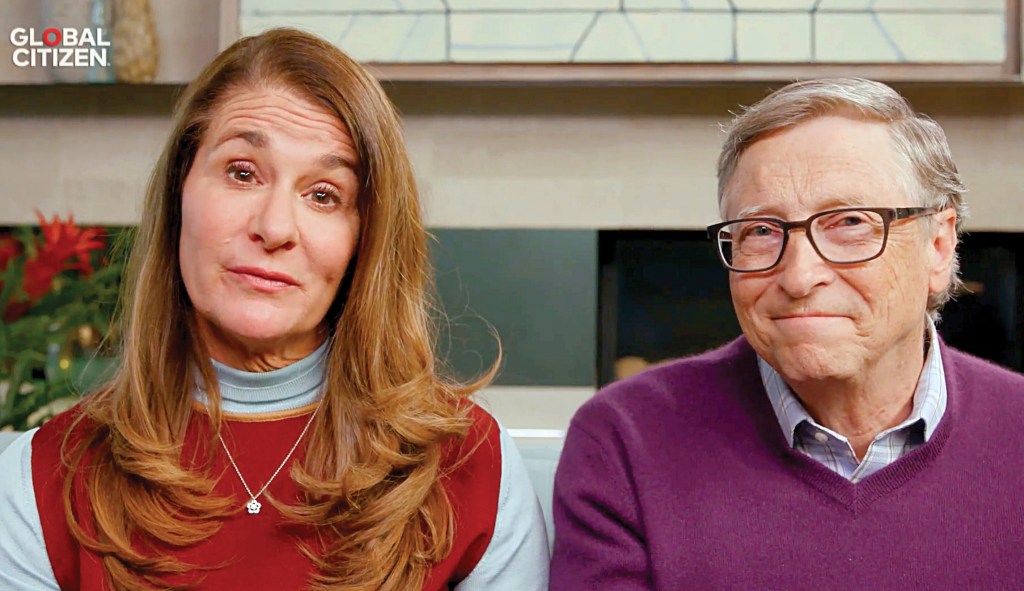
The governor of New York is not the only one annoyed by this turn of events. In a recent piece for Wired, Rob Reich, the faculty co-director of the Stanford Center on Philanthropy and Civil Society, and Mohit Mookim, a researcher at the Center for Ethics in Society at Stanford University, bemoaned that “when the government fails us, one temptation is to look to rich people like Bill Gates.” But, they noted: “We should never be dependent on the whims of wealthy donors … for our collective health and well-being. … That would be a betrayal of democracy. Rather than democratic processes determining our collective needs and how to address them, the wealthy would decide for us. We wanted rule by the many; we may get rule by the rich.”