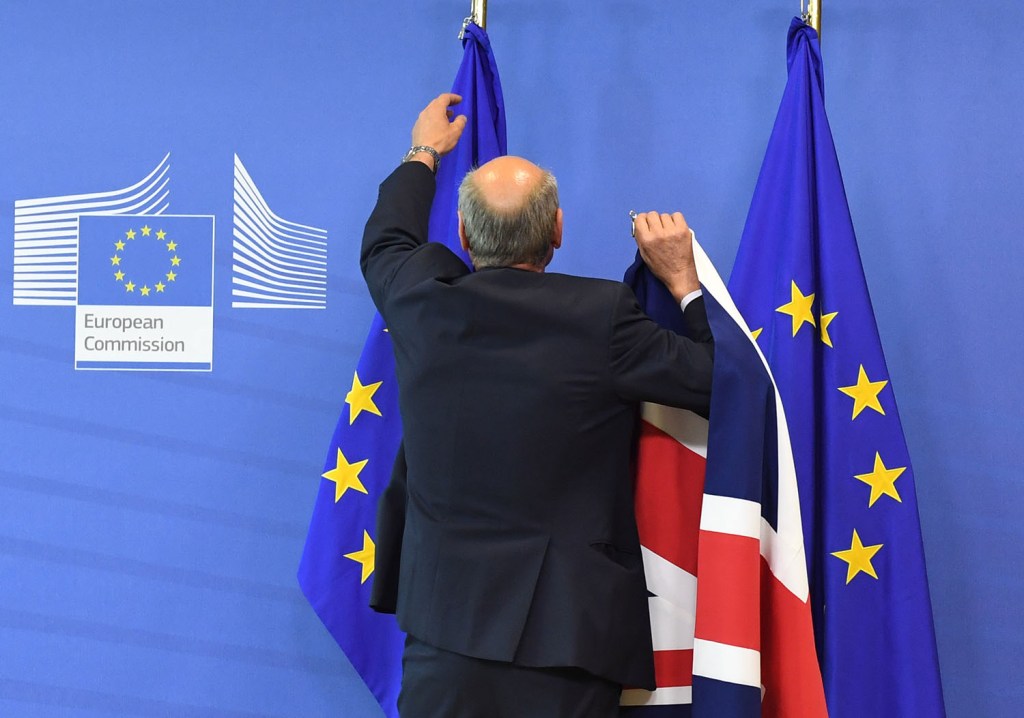
It was the anti-establishment vote, that much we knew going in. Much like what we see in America, with rogue candidates such as Bernie Sanders and Donald Trump, the trend of the little man against the machine is prevalent throughout the Western world. For Britain and the Brexit supporters, this meant fighting a political hegemony in both Labour and Tory that worked in shameless self-interest at the expense of a middle and working class that had lost faith in the European project.
For a long time, all the polls showed a lead for the Remain campaign, something that was assumed to be cemented by the tragic murder of Labour member of parliament and Remain supporter Jo Cox. But the last two weeks showed a sudden turnaround, promising nail-biting suspense. As the result was called early on June 24, there was little of the expected autopsy and self-analysis within the Remain camp, instead they lashed out and soon turned on the very democratic system they had relied on to get their way. The narrative was that it was the uneducated and poor that had chosen to leave the European Union; out of fear, xenophobia and hatred, but naturally the truth is slightly more complicated.