

The White House is acknowledging Congress will have a say in the any nuclear deal with Iran, but warned that legislation could thwart an agreement with the Islamic republic if it comes before a June deadline.
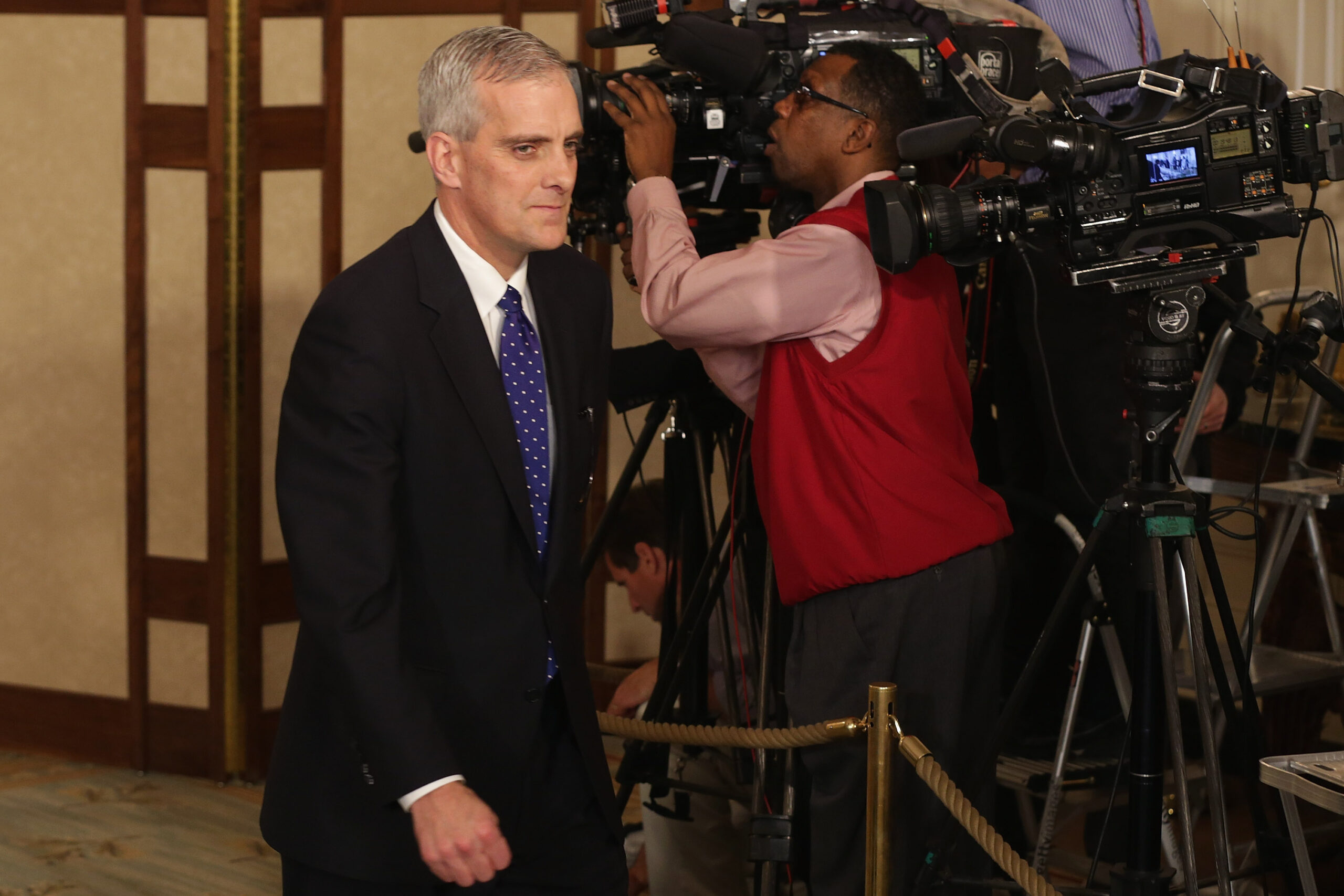
White House Chief of Staff Denis McDonough also said the deal under negotiation with Iran does not specifically require congressional approval but will include “a role” for the United Nations Security Council.
Recommended Stories


In a letter to Senate Foreign Relations Committee Chairman Bob Corker, R-Tenn., McDonough called the deal “non-binding” and akin to other agreements, including the 2013 U.S.-Russia accord to eliminate Syria’s stash of chemical weapons, which did not require a congressional vote.
“The administration’s request to Congress is simple,” McDonough wrote. “Let us complete the negotiations before the Congress acts on legislation.”
But Senate Republicans remain determined to vote on legislation before June that would require Congress to either approve or disapprove the deal with Iran.
“On this issue where Congress has played such a vital role, I believe it is very important that Congress appropriately weigh in before any final agreement is implemented,” Corker said in a statement provided to the Washington Examiner.
For Congress, the timing of the bill remains a key sticking point.
The framework of a nuclear deal is due at the end of March and the deadline for a final deal is set for June.
The Obama administration wants to stop Congress from acting until the June deadline has passed and a deal is in place, but Republicans want to move sooner and they have the backing of many Democrats, perhaps enough to provide a veto-proof majority for legislation giving them the ultimate say over a deal.
Congress will have some say in the matter, regardless of whether it passes legislation.
Congressionally passed sanctions will require new legislation if they are to be lifted, although McDonough said in the letter that Obama can utilize waiver language to lift some of those sanctions “after Iran has complied with its commitments for an extended period of time, so that we retain the capability to re-impose sanctions if Iran does not comply with the deal, and so that Congress has the benefit of seeing whether Iran lived up to its commitments before taking action.”
Senate Republicans have not indicated when they will take up legislation to either impose new sanctions or require congressional approval of a nuclear deal. They have agreed to wait until at least the end of March after Democrats threatened to pull their support.
“We believe that the legislation would likely have a profoundly negative impact on the ongoing negotiations … and complicate the possibility of achieving a peaceful resolution to the Iranian nuclear issue.”
