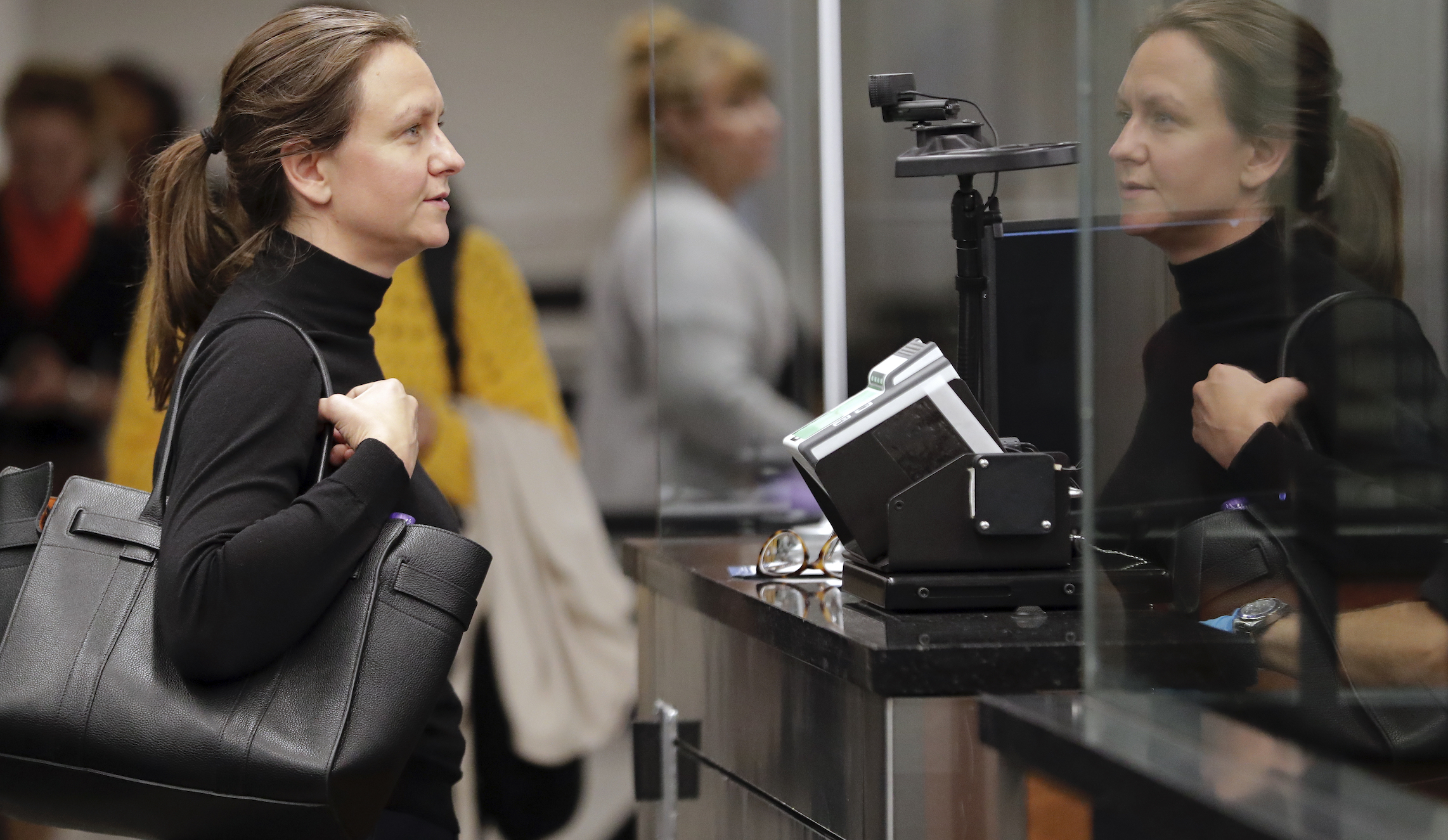
CBP kills plan to photograph Americans entering and leaving the US

Customs officials are abandoning a plan to require everyone, including Americans, to submit to a face scan when entering and leaving the country.

Customs and Border Protection, an agency within the Department of Homeland Security, was mandated by Congress to create a biometric entry and exit program or a digital method for tracking people by unique physical traits.

A CBP spokesman wrote in an email to the Washington Examiner on Thursday the agency “intends to have the planned regulatory action regarding U.S. citizens removed from the Unified Agenda next time it is published.” The Unified Agenda is a semiannual summary of forthcoming regulations

In a separate statement issued to Tech Crunch, CBP said it changed its plan after talks with Congress and a Wednesday meeting with privacy groups. “CBP determined that the best course of action is to continue to allow U.S. citizens to voluntarily participate in the biometric entry-exit program,” the official wrote.

Civil liberties and privacy groups such as the American Civil Liberties Union have opposed forcibly enrolling Americans into the program. Foreign visitors do not have a choice.

CBP began rolling out facial recognition technologies on an opt-in basis in early 2018. As of this month, 20 U.S. airports use face scanning on passengers arriving and/or departing the country.

CBP obtains the names of passengers on a flight and then pulls existing photos of passengers from government databases, such as passport and visa images. It creates a photo gallery of the people it expects to see depart or return on a flight. At the inspection booth that passengers walk through, cameras take a live image of the passenger and, in less than two seconds, match it to images it pulled of people expected to come through. The data is then deleted from the system.

CBP said face scans detected 200 people who attempted to illegally enter the country with travel documents that did not belong to them.

Related Content
