

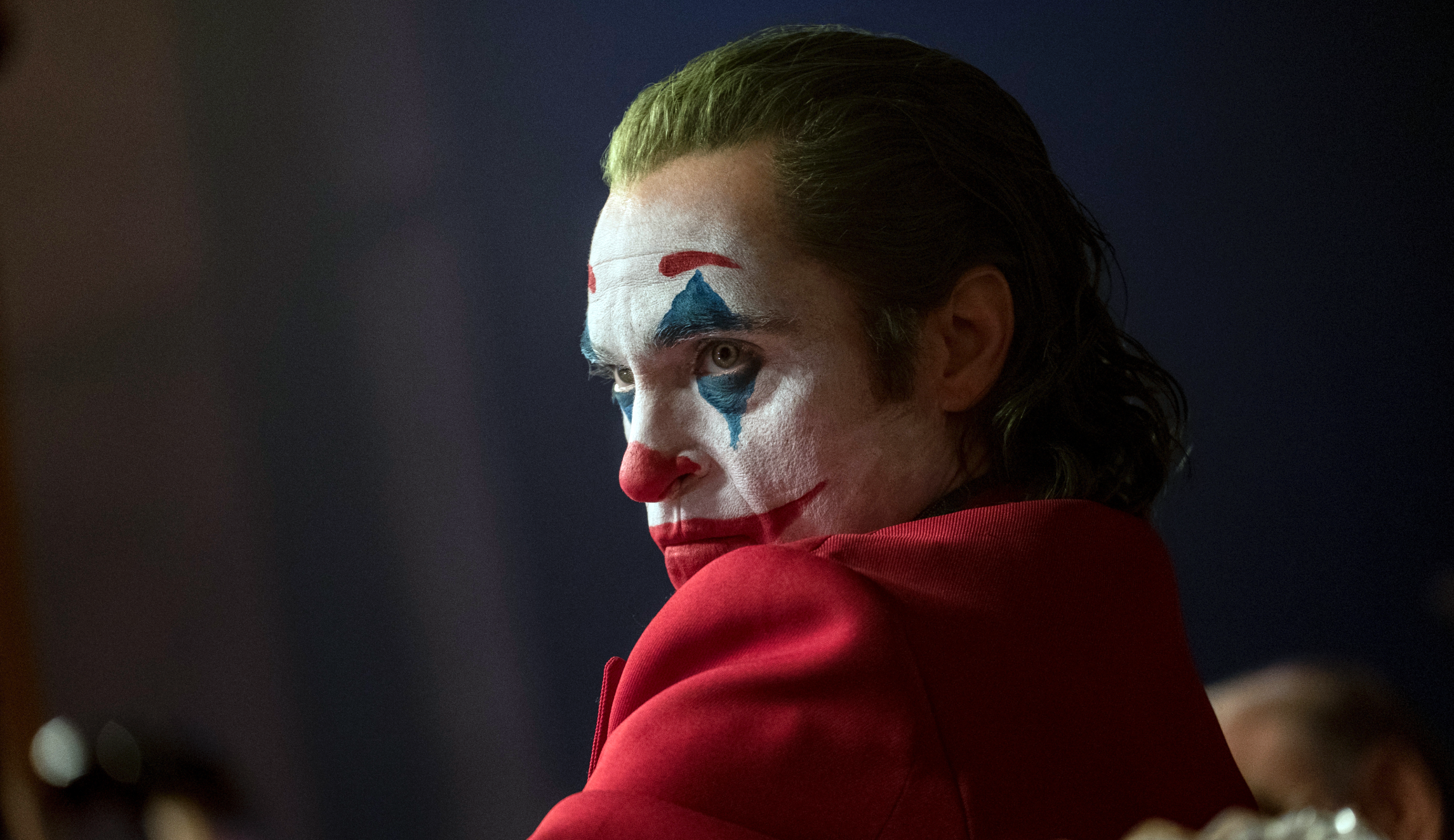
Chances are you have heard something about Warner Bros.’ Joker, which stars Joaquin Phoenix in the titular role as Batman’s arch-nemesis, because you read somewhere that there were concerns it would inspire “involuntary celibates” (also known as “incels”) and other fringe groups to violence.
I saw Joker this week. It contains none of the right-wing element critics warned of. It does not glorify or stylize violence. It does not glamorize evil. There is no “incel” message. There is not even a true love interest, let alone one that serves as a catalyst for the main character’s final descent into murderous madness. Moreover, despite dire warnings, there has been no widespread violence connected to the film’s real-life theatrical release. In other words, virtually everything the press said about this movie prior to its release ended up being utter nonsense, marking one of the most absurd episodes of media-promoted hysteria since the infamous “Satanic Panic” of the 1980s.
Recommended Stories


Indeed, histrionic criticisms were nearly everywhere in the lead-up to the movie’s eventual Oct. 4 release.
“JOKER, a film where you’re supposed to sympathize with a mediocre white man radicalized into deranged violence, will no doubt be appealing to the wrong audience for the worst reasons,” complained critic Alan Zilberman … on April 3.
You don’t suppose there will be any walk-backs, do you?
A non-satirical headline from the Independent declared on April 5, “If Joker is just another celebration of a toxic egotistical male justifying his bad behaviour, I’m not here for it.” The author followed-up with a 1,000-plus-word article warning about a movie that was still months away from being released.
These and similar criticisms were precursors to news reports that law enforcement officials planned to monitor for violence connected to the release of Joker, a revelation that some in the press treated as justification for panicking about the film’s supposedly radicalizing elements.
Then the movie opened in theaters and each person could see for himself just how wrong the press got the story. None of the things that reporters and other commentators warned about — the glorification of violence, the emboldening of the mentally unstable and the embittered, etc. — are in the actual movie released by Warner Bros.
Joker is dark. It is difficult to watch. It is about loneliness and isolation. It is also about the importance of access to mental health care.
But it contains no political message that can be construed as being sympathetic to the right-wing, let alone the far-far-far-right-wing. The closest the movie comes to espousing any sort of political ideology is when it toys around with the anti-One Percent rhetoric of the Occupy Wall Street protests of 2011 — perhaps a dangerous, violent message in the wrong hands, but certainly nothing like what critics warned of in this movie. What little politics there are in Joker are there only as a backdrop for something much larger. It is flavoring, not the main course. The title character himself states explicitly in the film’s finale that he is not political. He does not care for that sort of thing. He wants only to “liberate” himself from his mental imprisonment and embrace his “true” identity. There is no glamorizing of the revenge-seeking loner. Violence is not played up for thrills or amusement.
Amazingly enough, even after Joker was released, and it became clear that the earlier panic was overblown, newsrooms could not let it go at that. Many appeared determined, hopeful even, that something terrible would happen in connection to the movie; something to justify their earlier anxieties.
“Fight breaks out during Joker screening at Burbank movie theater,” reads a headline from the Los Angeles Times. In case you were wondering, the answer is: No. No, the Los Angeles Times does not cover every altercation in every U.S. theater.
The niche newsgroup ComicBook.com also published a headline titled, “2 Men Arrested at Joker Screening at Chicago Movie Theater.”
“Security, NY incident leave some unsettled after Joker’, reported the Associated Press. The “incident” involved a rowdy patron who cheered too loudly during certain scenes.
Then there is CNN, which went big reporting on all things Joker.
“’Joker breaks records despite warnings about violence,” read one headline.
Other CNN headlines read, Joker premiere sparks security concerns,” Joker hits movie theaters with controversy and extra security,” “Aurora victim’s family upset over Joker storyline,” Joker spurs security precautions from the US Army and the Los Angeles police,” Joker expected to break box office records as controversy and anxiety swirls,” Joker shatters box office records despite its controversial depiction of violence,” and Joker uses a song by convicted pedophile Gary Glitter. He’s probably making money off it.”
Now is a good time to remind you that CNN is a subsidiary of Warner Media, which also owns Warner Bros. In other words, these CNN headlines are what we in the news and entertainment business call “cross-promotion.”
“Rock and Roll Part 2,” a song by convicted child sex offender Gary Glitter, plays for about two minutes as Joaquin Phoenix, who plays the Joker, dances down a flight of stairs https://t.co/VOPAJwK7MN
— CNN (@CNN) October 7, 2019
My Washington Examiner colleague Madeline Fry, who is responsible for one of the only good pre-release commentaries written about Joker, warned in April that we should be on guard against indulging in the ugly, especially if it comes at the expense of telling stories about heroes. This is a fair point, and it applies to the actual movie Warner Bros. put in theaters. Joker is a painful experience. It is desperately unpleasant for long stretches. Nearly every shot is filled with dirt and grime. But I would say also that Joker gets right up to that line of overindulging in the morbid and grotesque, but never crosses it. It avoids that very thing Fry warns against.
Joker, which features just a terrific performance from Phoenix, has a story to tell. Muddled though it may be, it is still a story that grabs the viewer from the beginning and holds onto him until the ending credits. It is a story that is nothing like what critics and reporters predicted it would be. Joker is well worth the price of admission and it is well worth a viewing, perhaps even two.
