

Advice columnist E. Jean Carroll, responding to the fallout from her public accusation that President Trump sexually assaulted her in the 1990s, said, “It is time to change the sexual violence in this society. The only way we can do it is hold these guys accountable.”
Realistically, the first step toward holding men accountable for sexual violence is to change the culture so that women feel more comfortable coming forward to report rape at the time.
Recommended Stories


It is completely understandable that somebody who just went through a severe trauma and is dealing with the complex emotions that come along with it would be too afraid to report a crime. Maybe they’re worried they won’t be believed. Maybe they unfairly blame themselves. Maybe they believe it would be easier to try to move on than to relive the horrific moment over and over again by reporting the event and going through the legal process.
At the same time, it’s objectively true that the ability to hold somebody accountable becomes significantly more difficult the more that time passes.
In the case of Carroll, her accusation against Trump is never going to be fairly adjudicated, given the passage of time. We have her testimony and the New York magazine saying that two friends, speaking anonymously, confirmed she told them she was attacked by Trump shortly after it happened, as she was debating whether to report it. Otherwise, Carroll’s story is being litigated publicly, heavily influenced by people’s preconceived notions about Trump.
Critics of Trump are more likely to believe Carroll, especially given the prior accusations made against him by many other women and his boasts of groping women on the notorious Access Hollywood tape.
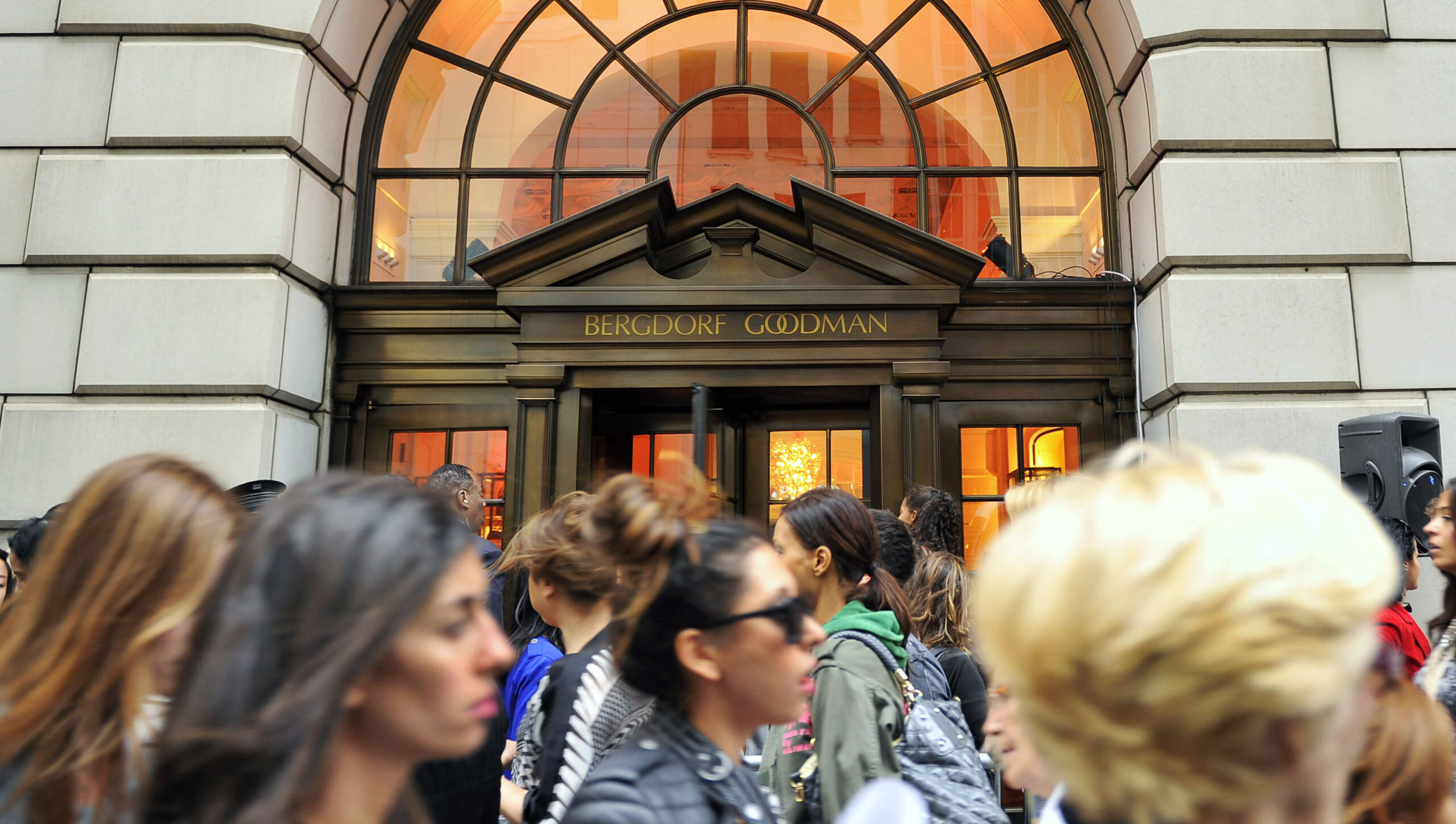
Trump himself has of course forcefully denied the accusation, and he is backed up by supporters who question the timing, given that she’s trying to promote a new book and has a record of liberal activism. They say it is hard to believe that Trump, then a recognizable figure, would have raped a woman in a public place, Bergdorf Goodman, which typically has sales attendants walking around, though Carroll says there were none there at the time of the incident. Skeptics have also pointed to some odd moments in her television interviews about the incident, including saying she wouldn’t want to pursue charges against Trump because, “I would find it disrespectful to the women who are down on the border who are being raped around the clock down there without any protection.”
On the other hand, many conservatives were much more willing to give a fair hearing to those who accused President Bill Clinton of rape — even Trump himself famously held a press conference with Clinton’s accusers, calling them “courageous.” Trump critic George Conway argued that Carroll’s accusation is just as credible as that of Juanita Broaddrick against Clinton, which many Republicans said they believed.
Regardless of their views on Carroll, it’s fair to say that had she reported the incident at the time, it would have been much easier to investigate. Bergdorf Goodman would still likely have video footage that would be able to confirm that Trump and Carroll were in the store together. Absent that, there would likely have been witnesses who saw them. Even if there were no sales attendants in the lingerie department, there certainly would have been some people who would have remembered seeing Trump walking through the store with a woman who was not his wife. At the time, Trump was still a major celebrity who would have been recognized by virtually any New Yorker, certainly the crowd that tends to shop at Bergdorf. Additionally, if there were any sort of DNA evidence on Carroll’s dress, it would have been significantly easier to obtain at the time.
So, a big challenge is to make women feel properly helped and supported so they feel safer in reporting crimes that, when proven, deserve to be severely punished. In a potential sign of good news, the U.S. Department of Justice reported in December that the percentage of rapes and sexual assaults being reported increased to 40% in 2017, up from 23% in 2016.
Increased reporting, of course, doesn’t address the underlying causes of sexual violence or deal with the difficulty of obtaining convictions, given the importance of maintaining due process for those accused. But were women more comfortable reporting incidents at the time they occur, it would be an important step toward more accountability.
