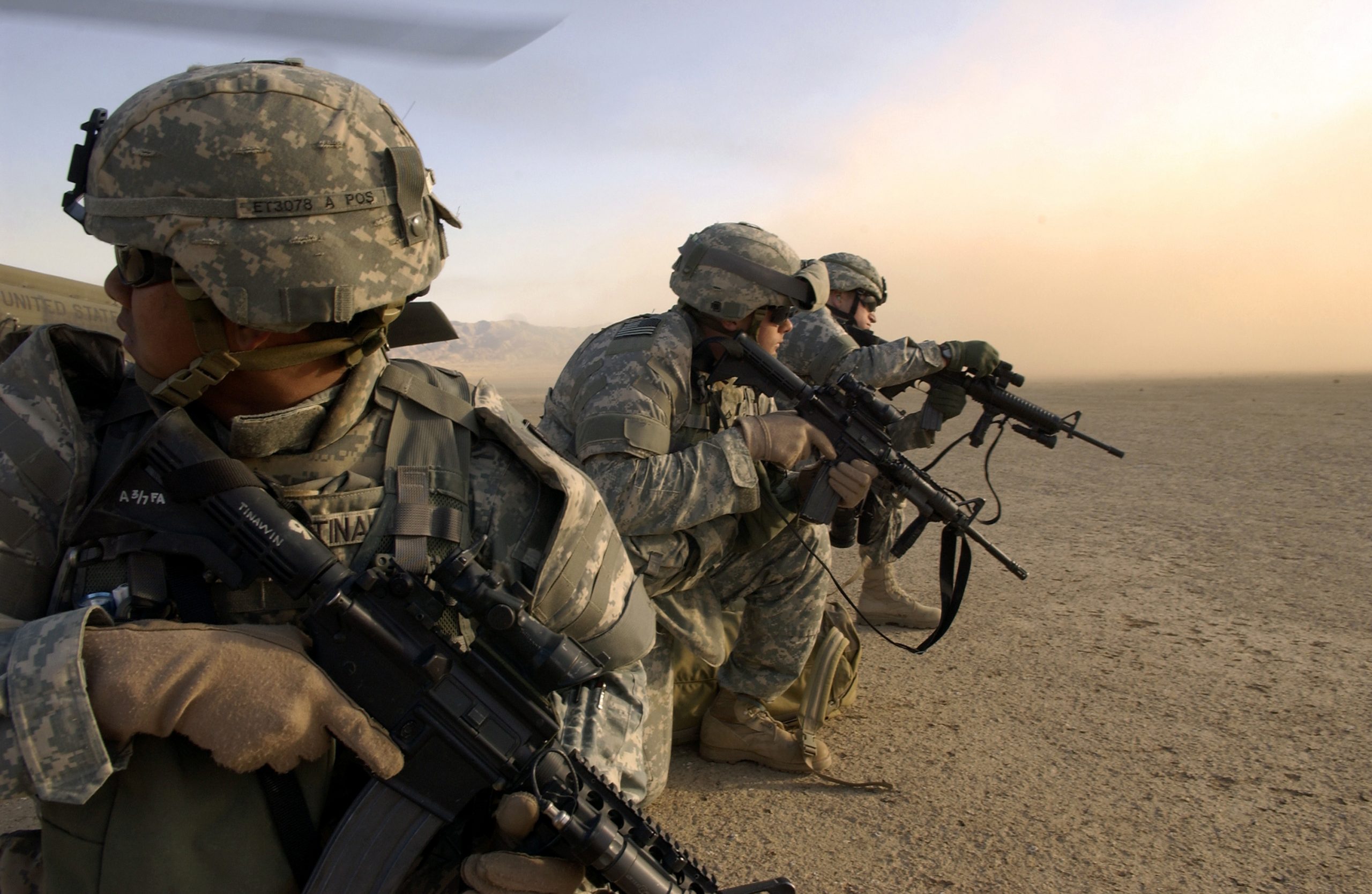
Honor the US war dead: Stop adding to their ranks

In November, Americans have a holiday to celebrate those who served their country in the military. But it is now, in late May of each year, that the nation commemorates its war dead.

The tradition of Memorial Day began after the great trauma of the Civil War. It was a seasonal occasion to remember the 700,000 who died in the fight to preserve the union and end the evil institution of slavery.

Subsequently, after World War I, it became a celebration more generally of those who died in all wars, a tally that continues to grow even now. The best way to honor the service of those who gave all for freedom is to ensure that war is always a last resort in U.S. policy.

At the present moment, it is to end the U.S. presence in Afghanistan, something two presidents tried and failed to do.

The case for remaining in Afghanistan is straightforward enough, but it has not been persuasive in a long time. It holds that the tiny nation’s republican government cannot survive in the absence of a large U.S. military force — that the Taliban regime, which decades ago harbored Osama bin Laden, will return to power the moment we are gone.

If that is so, then Afghanistan is a lost cause, and withdrawal becomes even more imperative. Any further investment of blood or treasure in that part of the world amounts to indulgence in the fallacy of sunk costs.

Fortunately, more than a year has passed since the last U.S. servicemen died in battle in Afghanistan. Even so, there is no reason to continue running even a slight risk of more senseless deaths in the longest-running war in U.S. history.

The best way to honor the nation’s war dead is to stop adding to their ranks. President Joe Biden, like his two most recent predecessors, understands this. His choice of Sept. 11 as a symbolic day to complete the withdrawal is an unfortunate one. Still, he is taking the right action. This Memorial Day, citizens and policymakers alike should demand guarantees that he will follow through.

Related Content
