

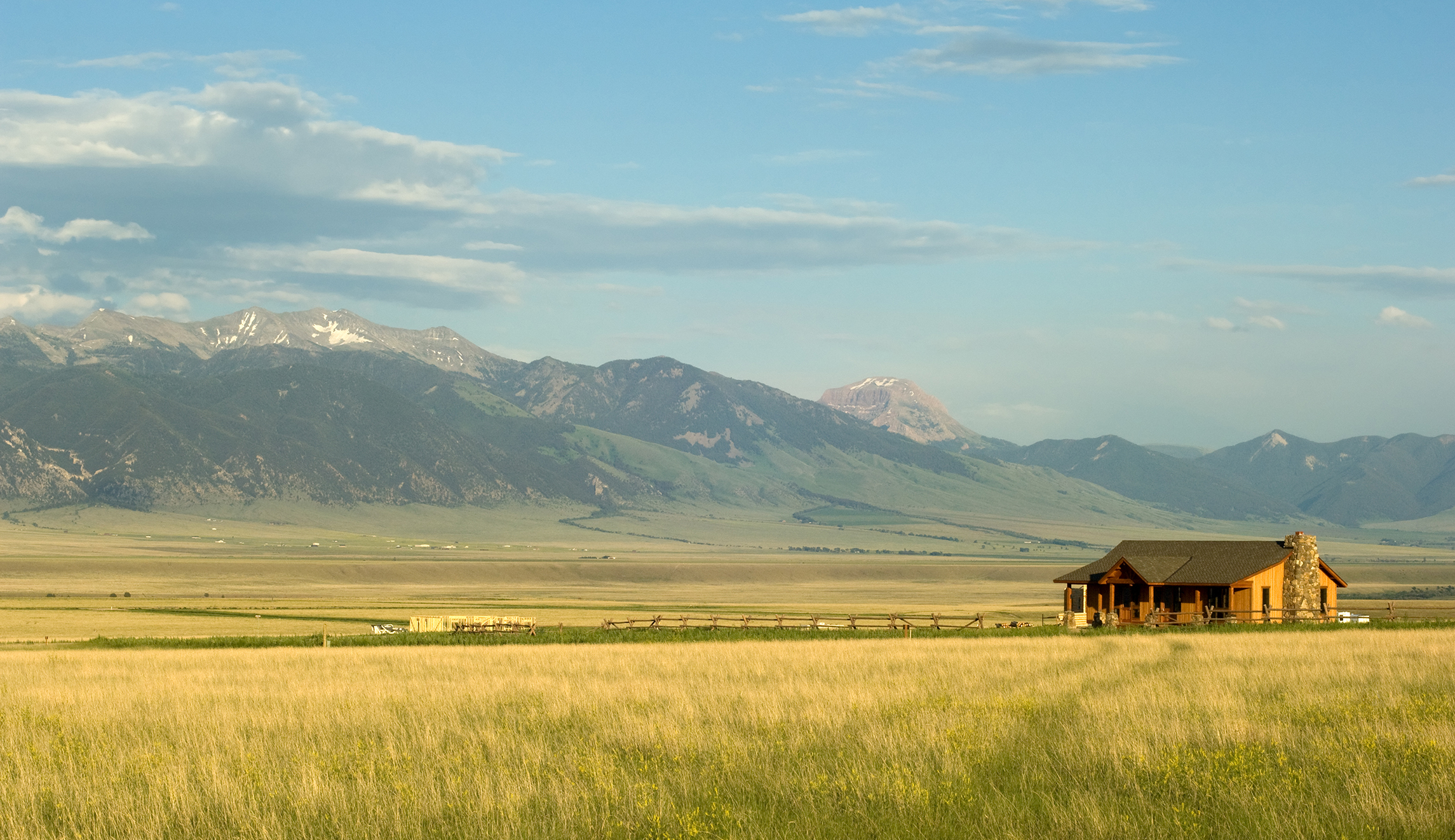
The research is piling up—social isolation is a growing problem, one with a disproportionate impact on older Americans in rural areas.
In a recent national survey, just 18 percent of rural seniors exhibited no signs of social isolation. More than a third of respondents, on the other hand, suffer at least three of the nine key social isolation indicators.
Recommended Stories



The nation’s fraying community fabric has left too many individuals alone, without the strong relationships essential to health and well-being. Although most of us think of loneliness as an emotional state, it takes a physical toll on brains and bodies when lack of human contact becomes chronic. In fact, social isolation increases total risk of premature death by up to 50 percent.
Unfortunately, the nature of the problem challenges not only our preconceptions about what constitutes a public health crisis, but also our systems for addressing one. Institutions adept at combating contagious diseases are largely impotent against a scourge of personal disconnection driven by complex economic, technological, and societal forces.
Increasing awareness of this crisis and identification of creative solutions commands the collaborative brainpower of multiple partners from business, academia, government, healthcare and nonprofit organizations, as well as the perspectives of rural residents themselves.
The second annual Connectivity Summit on Rural Aging, which convened this week in Portland, Maine, will bring these stakeholders to the table with a focus on the urgent challenge of social isolation.
The poll cited above was launched in conjunction with this year’s summit, to better understand the experiences of rural seniors. Not surprisingly, older Americans living outside our metropolitan centers recognize the pitfalls of social isolation. Two in three rural seniors agree it can have a negative impact on physical health, and similar percentages say they want government and businesses to better meet their needs.
Their priorities include greater access to healthcare, more transportation options, and increased financial security. A key barrier, however, may be their small representation in the electorate. Although 12 million older Americans live in remote areas, they account for just five percent of the U.S. population. And some in our survey said they have difficulty reaching a voting center, which dampens their influence in the public square.
That’s why we must add our voices, echoing rural seniors’ concerns and demanding change. And we must act quickly, as some of the protective features of small towns may be decaying.
Today, rural seniors are among the most likely to be long-term residents of their communities, which provides a deep well of belonging on which to draw in later life. Studies show younger generations are experiencing more chronic loneliness. Thus if we don’t make appropriate provisions, those who age into Medicare over the coming decades may struggle harder to compensate for the social challenges of getting older.
As more Americans move away from the communities where they grew up, lasting interpersonal networks must be reworked for the mobile age. Leaders who highlight shortcomings in our nation’s roads and bridges should also work to route the information superhighway to the 39 percent of rural households off its beaten path, so that they can use digital tools to access services and interact with others. The Federal Communications Commission’s announcement of a $2 billion rural broadband initiative is a welcome sign they will.
More strategic opportunities call. On an individual level, those of us who see retirement on the horizon can take proactive steps to cement relationships, which can wither when daily work routines end, and consider “encore careers,” which provide purpose and social connection. We should devote as much attention to adding friendships to our “social nest egg” as we do stocks to our 401(k).
Now is the time to challenge ourselves as a nation and reverse the trend of social isolation.
Can we invest in creating memorable events for older people that also boost memory? Can we develop a pipeline of products that open arms and arteries, leveraging the one-third lower stroke and heart disease risk resulting from meaningful personal exchange? Can we create the right social infrastructure without diverting scarce funds from healthcare and other basic needs?
Just as the challenges are social, the solutions will be collaborative, tapping public and private knowledge, resources, and programs to transform rural aging into the ultimate expression of shared living we know it deserves to be.
Donato Tramuto is CEO of Tivity Health, which provides SilverSneakers — the nation’s largest community fitness program for older adults — and is founder of the Tramuto Foundation and Health eVillages.
