The Left and some factions of the Right often eschew the culture war as irrelevant, unwinnable, unnecessary, even silly. A look back at the last few days alone proves it is far more imperative.
Drag queen Nina West recently tweeted about her opportunity to perform on Nickelodeon, the channel for children. Drag queens are covered in over-the-top glitz and glamour, of course, and it’s all meant to be fun and dancing for children. However, drag, inasmuch as it must exist, should be geared toward adults, not children. Nickelodeon’s marketing is subtle but steady: Gender, sex, and all their complexities are thrown at naive audiences.
In another incidence of the culture war, a trial court in Colorado determined last week that Jack Phillips violated the state’s anti-discrimination act. Yes, that Jack Phillips, of Masterpiece Cakeshop notoriety. It was not enough that the Supreme Court upheld his right not to be forced to bake cakes for events he didn’t agree with. He must continue to be made an example of. Phillips’s latest sin flows from his refusal to make a cake with pink and blue frosting. He was fined. But he will appeal, of course, and thus be forced to spend even more time in litigation.
“Jack Phillips serves all people but shouldn’t be forced to create custom cakes with messages that violate his conscience … Radical activists and government officials are targeting artists like Jack because they won’t promote messages on marriage and sexuality that violate their core convictions,” his attorney, Kristen Waggoner, said in a statement. She is right.
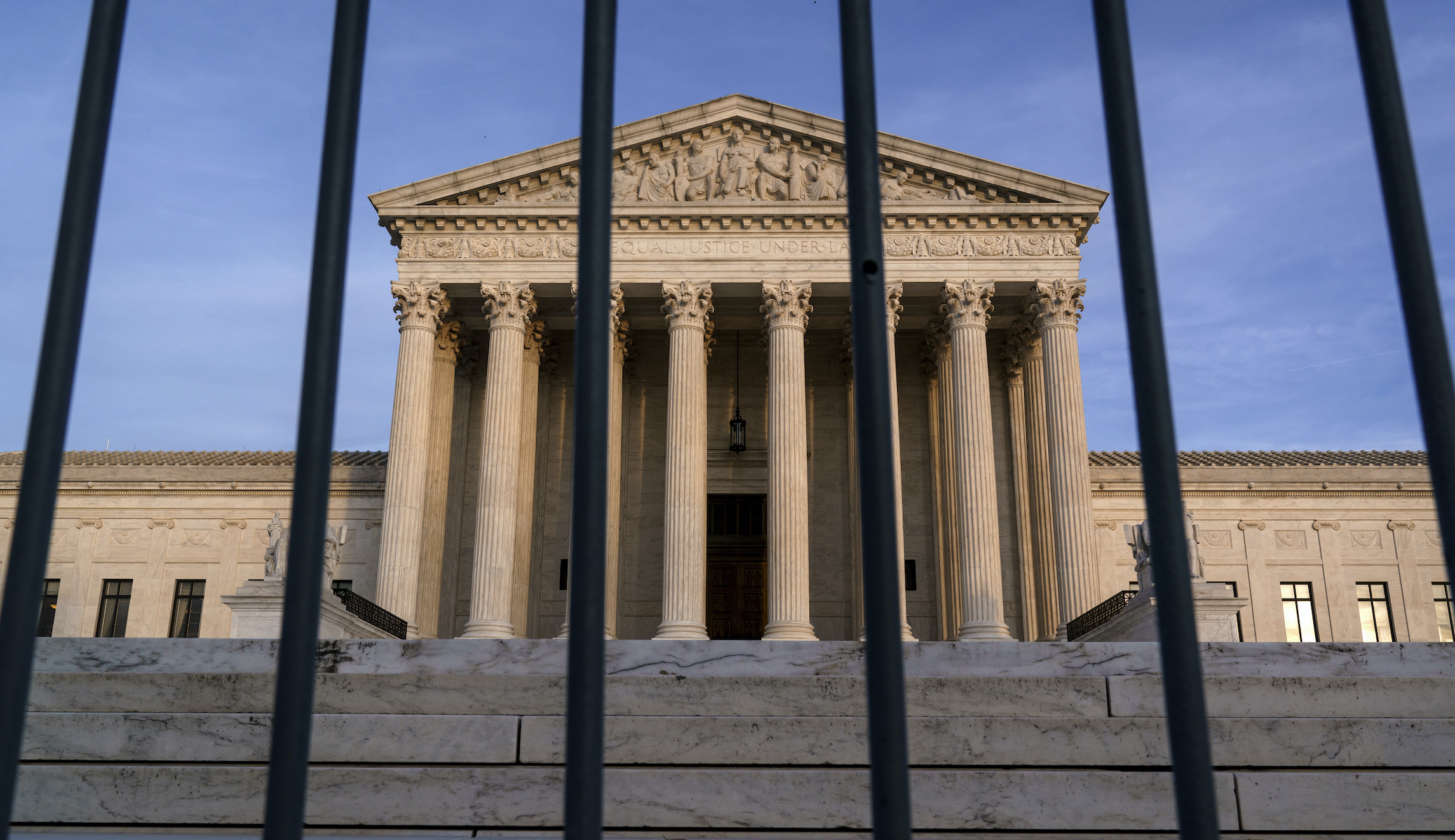
Finally, last Thursday, the Supreme Court ruled unanimously that the city of Philadelphia had acted unlawfully when it refused to contract with Catholic Social Services, a religious foster agency, unless the organization agreed to place children with same-sex couples. The court ruled that Philadelphia had violated Catholic Social Services’s free exercise rights.
Last week told us something we already knew: The culture war is not going anywhere. The battles in this war aren’t just about hot-button topics such as abortion, same-sex marriage, or critical race theory. They’re about liberty, religion, and quality of life.
The First Amendment is not a carve-out for people of faith. It’s for all. Yet, while a case can be made for pluralism insofar as it remains healthy for people to live alongside one another to varying degrees, there is a line in the sand that should not be crossed. At that crossing, it’s no longer simply about liberty. It’s also about morality: Drag queens are free to wear drag, but should we enable their campaign to influence children? A transgender person can request a cake with blue frosting inside and pink frosting on the outside or any other combination, but can she force a Christian to abandon his ethos that encompasses his vocation or face fines?
These struggles force us to ask ourselves: Who are we as a people? What kind of country do we want our children to grow up in? And where does the boundary between freedom and morality fall?
