

With a flood of freshman members and a new GOP majority in town, 2011 had all the makings of a banner year for the Republican Study Committee, a group comprised of Republican members of Congress tasked with generating conservative policy ideas and moving House Republicans in a more conservative direction overall. Yet the group has found itself at the center of ongoing controversy.
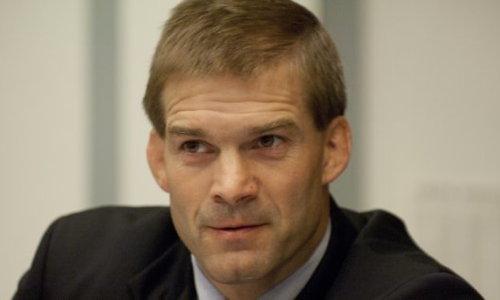
Today, the Politico’s Marin Cogan and Jake Sherman offered the latest contribution to the “RSC in turmoil” genre of Hill journalism. Based on dozens of interviews, the authors report that the organization has lost three members and stands to lose more, due to mounting frustration with the group’s tactics, clashes with Republican leadership and infighting. The article described a growing feeling that decisions on important policies were being imposed from the top down, without adequate input from members. In an interview with the Examiner earlier this morning, Rep. Jim Jordan, R-Ohio, responded to some of the issues raised in the article, and spoke about the role of the RSC in shaping policy during the battles in the upcoming months.
Recommended Stories


By Jordan’s account, the RSC has succeeded in its central goal of moving policy in a more conservative direction.
“We were helpful in getting more spending reductions in the first CR debate this past spring,” he said, referring to the deal that was struck in April to avert a government shutdown. “We certainly felt that we had a good plan relative to the debt ceiling, one that we believe would have prevented a downgrade and helped solve the fiscal crisis of our country, which was our Cut, Cap and Balance plan.”
The plan to cut spending, cap it, and pass a balanced budget amendment, he said, was the outgrowth of months of soliciting opinions from RSC members about what it would take to get them to agree to raise the debt ceiling.
“We really think we have worked hard to get members’ input on big policy positions like Cut, Cap and Balance,” he said.
It was the debt ceiling debate that led to the biggest clash between the RSC and leadership during the year, tension that boiled over when emails surfaced in which RSC staffers urged outside conservative groups to pressure GOP members to vote against a debt ceiling bill being pushed by House Speaker John Boehner, R-Ohio. And last month, 48 Republicans voted against another Boehner-supported bill to avert a government shutdown.
“We certainly don’t view the role of the RSC to undermine leadership at all,” Jordan insisted. “We think in many ways it helps strengthen what leadership and what the Speaker has to do. We realize they have to deal with a Democratic Senate and the fact is if we can help make policy more conservative as it comes out of the House, we feel that actually strengthen leadership’s position when they have to negotiate with the White House and Senate.”
He continued, “We should be able to come up with an agreement within the conference that 218 members will support (the number needed to pass a bill in the House). That should be a position, and that’s what we’ve done a number of times. And those times when we were able to do it, it was RSC who played a big role in helping unify the conference around a position that would in fact garner the 218 Republican votes that you need.”
Jordan also dismissed talk of blowback against the RSC from leadership, saying he hasn’t seen anything, “other than just the normal vigorous debate within a conference that always takes place, but that’s always part of the process. That’s part of any type of legislative body there’s going to be strong and vigorous debate.”
He did acknowledge that RSC executive director Paul Teller, who was at the center of the debt ceiling controversy, is no longer attending weekly meetings with the broader Republican conference.
The RSC has about 170 members out of 242 Republican members of Congress, which raises questions about whether, in some cases, participation in the group is used by moderates as a way of providing cover for them so they can claim to be more conservative when it comes time to fend off primary challenges.
“I think members of the RSC believe in conservative principles,” Jordan said. “It is a large organization, and whenever you have a large organization, you’re gonna have some disagreements.”
He added, “We always want to welcome members. That’s always been the approach of the Republican Study Committee. If you want to be a member, we welcome you in. And we try to work as an organization to come to policy decisions.”
The next few months will be busy on Capitol Hill – there’s the current jobs debate, the “super committee” on deficit reduction is supposed to unveil its plan next month, and there’s a Nov 17th deadline to pass another spending bill to avert a government shutdown. On top of this, the payroll tax holiday and unemployment benefits deal struck last December expires at the end of this year.
For now, Jordan said the primary focus of the RSC is in putting together its own “common sense growth package,” focused on tax reform, energy policy and scaling back government regulations. They hope to unveil the economic plan within a few weeks. They’ve also been discussing what version of a balanced budget amendment to support when it comes up for a vote in the House.
As to those parting ways with the RSC, Jordan said, “We certainly don’t want anybody to leave the organization, and for those who have chosen to do so, we hope at some point they’ll want to rejoin.”
