

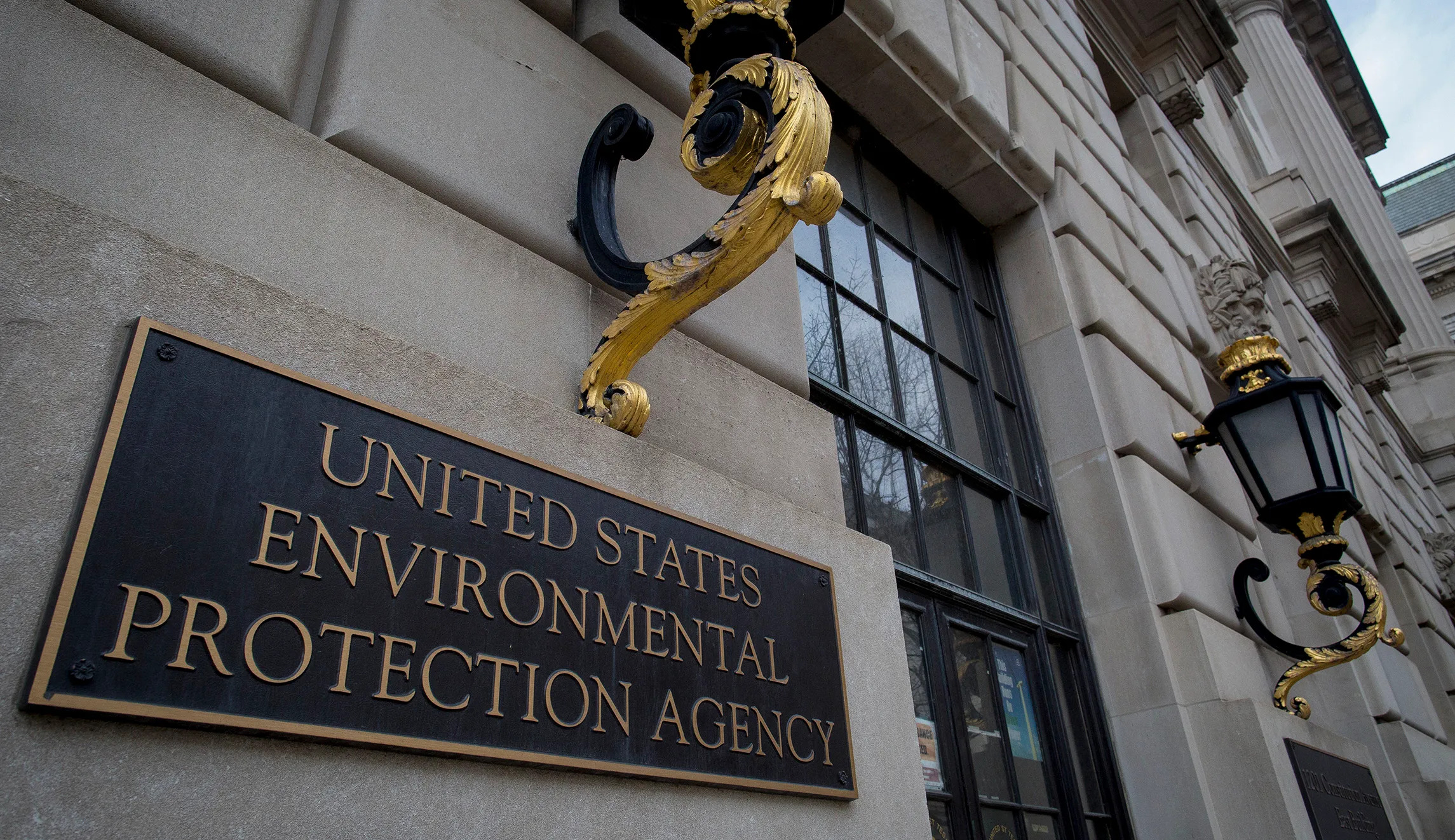
The Environmental Protection Agency said Thursday that it generally won’t seek penalties if companies miss deadlines for pollution monitoring, sampling, testing, or reporting during the coronavirus pandemic.
The agency will also exercise discretion in taking civil enforcement actions against facilities where air pollution controls or wastewater or waste treatment systems fail, causing the facility to exceed federal limits on air emissions, water pollution, or hazardous waste, the EPA said in a guidance released Thursday.
Recommended Stories


Facilities that exceed federal requirements should notify the agency “as quickly as possible,” after which the EPA will evaluate whether the risk “is acute or may create an imminent threat to human health or the environment,” the guidance said. The agency will work with the company to minimize the threat, and it will “consider the circumstances, including the COVID-19 pandemic, when determining whether an enforcement response is appropriate.”
The EPA says it is exercising discretion because it is “cognizant of potential worker shortages” due to the pandemic, related restrictions, and disruptions that could affect the ability of companies to meet environmental program requirements and pollution limits.
The guidance is “in order to provide clarity to regulated businesses across the country as they in turn adjust and have to fulfill their obligations under the current status of the coronavirus,” agency Administrator Andrew Wheeler told reporters Thursday. It’s also “to ensure the American public that the EPA is still on the beat, and we will still enforce environmental laws, particularly any instances for criminal violations,” he added.
The relatively broad enforcement guidance, signed Thursday by EPA enforcement chief Susan Bodine, comes in response to several requests from industry leaders that the agency waive or adjust regulatory deadlines as companies struggle to deal with the effects of the coronavirus outbreak.
To qualify for enforcement discretion, though, a facility must document that the pandemic caused the noncompliance, including providing the EPA with evidence it “did everything possible” to comply, it is addressing the effects of noncompliance, and it is working to return to compliance as soon as possible, Bodine told reporters.
“The burden is on the facility,” she said.
Former Obama EPA Administrator Gina McCarthy slammed the EPA’s temporary policy as an “open license to pollute.” McCarthy, now head of the Natural Resources Defense Council, accused the EPA of “taking advantage of an unprecedented public health crisis to do favors for polluters that threaten public health.”
Industry groups, including the American Petroleum Institute, have expressed concerns that companies wouldn’t be able to send workers on-site at facilities to complete routine monitoring and reporting for environmental regulations, such as methane leak detection and repair and greenhouse gas reporting. The oil lobby, in particular, also suggested it could struggle with seasonal fuel requirements that mandate a switch to cleaner-burning summer-grade gasoline.
Wheeler said the EPA intends to address any potential delays to fuels requirements, including the switch to summer-grade gasoline and upcoming deadlines under the Renewable Fuels Standard, separately. He told reporters he expects an announcement on fuels as soon as Friday.
The EPA’s Thursday enforcement memo doesn’t call out specific deadlines for the delay but instead applies to most circumstances in which “compliance is not reasonably practicable.” It suggests it won’t penalize companies that miss environmental program requirements so long as the EPA agrees the coronavirus pandemic caused the noncompliance. Companies would be required to provide documentation detailing the pandemic’s impact and return to compliance as soon as they can.
Bodine said the facilities in the wastewater and drinking water sectors have been most vocal, raising concerns about worker shortages and other coronavirus-related restrictions keeping them from meeting environmental requirements.
And in one instance, Bodine said, the EPA has taken a “no action assurance,” under which the agency agreed not to pursue enforcement against 11 pharmaceutical companies in Puerto Rico.
“In Puerto Rico, the electrical grid is still suffering from the hurricanes,” Bodine said, adding it is “very important to keep those facilities operating” and allow them to use emergency generators.
The enforcement discretion doesn’t apply, however, to criminal environmental violations, the guidance said, adding that the EPA’s criminal enforcement team remains “vigilant.” It also doesn’t apply to Superfund or hazardous waste disposal under the Resource Conservation and Recovery Act, which the EPA says it will address separately.
The EPA guidance also notes it has “heightened expectations” for public water systems, expecting them to “continue normal operations and maintenance as well as required sampling to ensure the safety of our drinking water supplies.”
The EPA says the policy applies retroactively, beginning March 13, and that it will give a seven-day notice before ending it.
