The House overwhelmingly passed legislation Friday that would give several federal agencies more tools to fight opioid addiction and death in the U.S., and open the door to more treatment and prevention for the public.
The SUPPORT for Patients and Communities Act passed in an easy 396-14 vote following months of hearings and debate. The legislation helps to direct some of the $4 billion in funding for the crisis that Congress approved as part of a long-term spending deal this year.
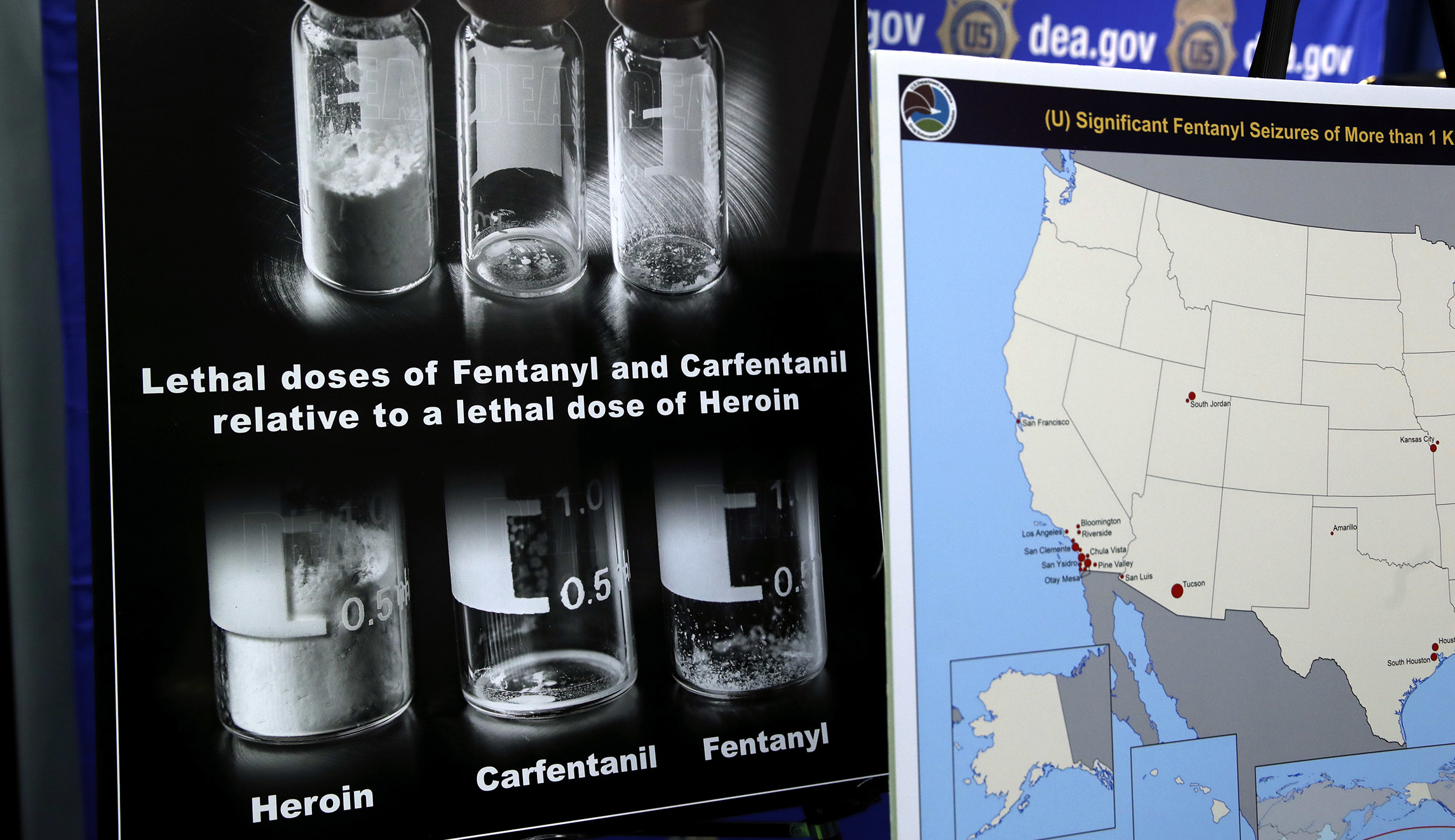
The sweeping bill contains provisions to improve access to addiction treatment, block illegal drugs such as fentanyl from entering the U.S., clear the way for more research on nonaddictive medications to treat pain and reduce the number painkiller prescriptions.
It also places new regulations on the ways Medicare and Medicaid are involved in both treatment of pain and addiction. For example, the bill instructs federal offices to evaluate the use of telehealth in addiction treatment under Medicare, and requires the Centers for Medicare and Medicaid Services to issue guidance on how to treat infants who were exposed to opioids while in the womb and developed a dependency on the drug.
The opioid crisis has drawn the attention of lawmakers after more than 42,000 peopled died of an opioid overdose in 2016. Public health experts have concluded that the crisis was fueled by the over-prescribing of prescription opioids, which led to patients seeking less-expensive, more accessible alternatives such as heroin. The drug is often tainted with fentanyl, making it more potent and contributing to even more deaths.
[Also read: Medicare, Medicaid, and private insurance share responsibility for opioid crisis, study suggests]
Though the bill that passed Friday was bipartisan, Democrats argued during the process that an even more sweeping overhaul would be needed. They blasted actions by the Trump administration and Republicans to undo protections and provisions in Obamacare, pointing to a Department of Justice lawsuit to gut protections for pre-existing conditions.
Republican leaders say they do not support the conclusions of the lawsuit, and Democrats say the Trump administration’s actions would undo any progress made by an opioid bill.
Rep. Frank Pallone, D-N.J., the top Democrat on the Energy and Commerce Committee, said the bill didn’t go far enough, but said he would vote for it.
“This bill makes incremental changes to support those affected by the opioid crisis, but is far from perfect,” he said on the House floor. “[The bill] does not adequately deal with the magnitude of the crisis that this country is facing, and there are provisions that I did not support at the subcommittee or full committee markups, including provisions that most Democrats voted against.”
Lawmakers acknowledged this wouldn’t be the last time they would be addressing the opioid crisis. Other legislation passed in recent years took initial steps, including the Comprehensive Addiction and Recovery Act, and the 21st Century Cures Act.
“While we still have a long way to go to solve this crisis, this legislation, which is made up of many Republican proposals, takes meaningful strides to help millions of Americans recapture their lost hopes and dreams,” Rep. Kevin Brady, R-Texas, chairman of the Ways and Means Committee.
The legislative package, put together by House Energy and Commerce Committee Chairman Greg Walden, contains several provisions that were passed in committee, as well as dozens of others that were passed by the House during recent weeks. At least 161 patient advocacy groups have said they support the measure.
Senate leaders haven’t said whether they would take up the specific House version of the legislation. The upper chamber has passed several measures of its own in committees, including compilations of dozens of bills to reduce illegal drug trafficking, limit the number of pain relievers doctors can prescribe, and channel research toward finding non-addictive pain medication.
