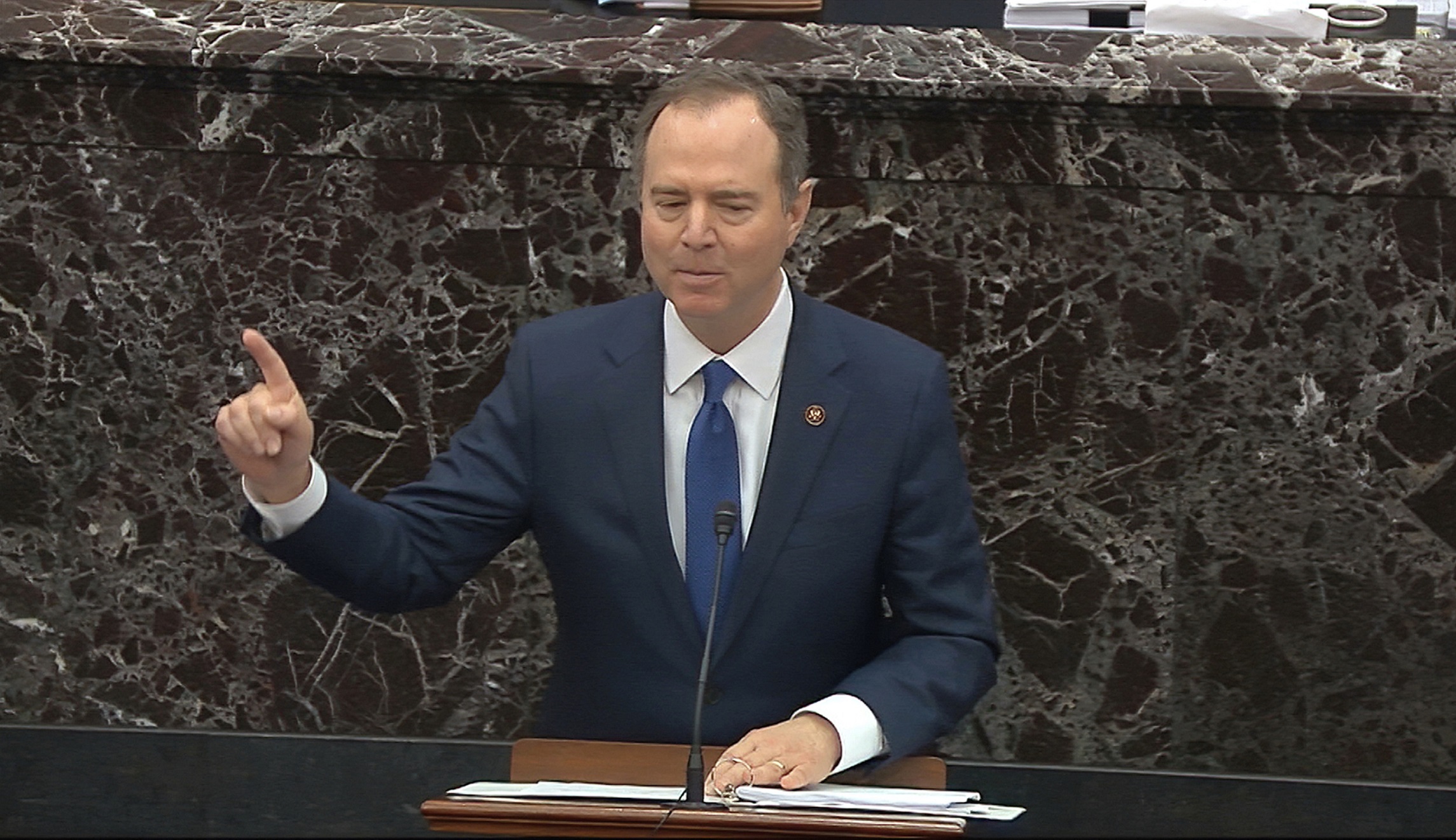
How House Democrats torpedoed Trump impeachment

Senate Republicans are completing one of the most flagrant cover-ups in American political history, but House Democrats gave them plenty of excuses for their dereliction of duty.

For years, the Democrats cried wolf by threatening impeachment against President Trump when no impeachable offenses were evident. Then, when finally handed a set of circumstances that manifestly made impeachment a reasonable discussion, the Democrats repeatedly made it look as if they were attempting to railroad the president. They always offered abstruse, technical explanations, but nonetheless created an overwhelming perception of unfairness.

In politics, perception effectively is reality.

Everybody knows some Democrats were calling for impeachment before Trump was even sworn in, and many overstated the case on Russian “collusion” before the evidence was in. That record needs no elaboration. With that history, Democrats should have bent over backward to show restraint and fairness, not bloodlust, once it became clear how serious the Ukraine matter was.

Instead, House Speaker Nancy Pelosi insisted on proclaiming an impeachment investigation without asking the House to vote to open it. In the long run, what good did that accomplish? Nothing.

She assigned the primary part of the investigation to the House Intelligence Committee, even though very little of the information in dispute involved intelligence. Why?

The committee chairman, Adam Schiff, had for two years been one of the leading examples of bloodlust and overstatement, wrongly saying as early as Trump’s third month in office that, even back then, there was “more than circumstantial evidence” of punishable collusion. He also was caught being disingenuous, perhaps flat-out dishonest, in denying contact with the whistleblower who launched this scandal. Why hand him the ball?

Pelosi let Schiff conduct depositions in secret but frequently allowed anti-Trump depictions to leak. He allowed no lawyers to be present, not just for Trump but for midlevel aides Schiff tried to subpoena, even if they needed lawyers to advise them if certain information was classified.

Why and why?

What good did those depositions accomplish that was not accomplished once hearings were held in the open? How was it worth it to give Republicans a chance to stage histrionic protests to exaggeratedly convince the public that the proceedings were unfair?

When the White House provided (spurious) arguments that it was rejecting subpoenas because the House had not yet voted to launch an impeachment process, why did Pelosi not obviate those arguments by reissuing the subpoenas once such a formal resolution finally passed?

Even though Schiff is a tremendously able expositor of facts and arguments, why did Pelosi make him the leading face of the prosecution, considering how toxic he is to many Senate Republicans?

Knowing that some senators, even if dreadfully wrongly, insist that impeachment is invalid without identifying specific laws that were violated, why did the House not at least allege and incorporate at least two or three laws Trump arguably contravened?

The House managers actually proved well-prepared and organized, but they also erred in crafting their presentations, especially the key early ones, as if they were in a courtroom rather than a national court of public opinion. Where was the immediate, reasonably simple, galvanizing, three-minute opening to outline the case? Later, where were the arguments specifically shaped to appeal to concerns or conceits of key Republican senators?

Throughout this ordeal, the House Democrats’ political ineptness was astonishing. The result is that Republicans were able, politically, to execute a cover-up that ill serves the public’s right to hear all available evidence under oath. House Democrats shot at the king and missed. The constitutional system will now suffer from the precedent of a radically unchecked executive.

Related Content
