Democrats blame Trump for lower Obamacare signups

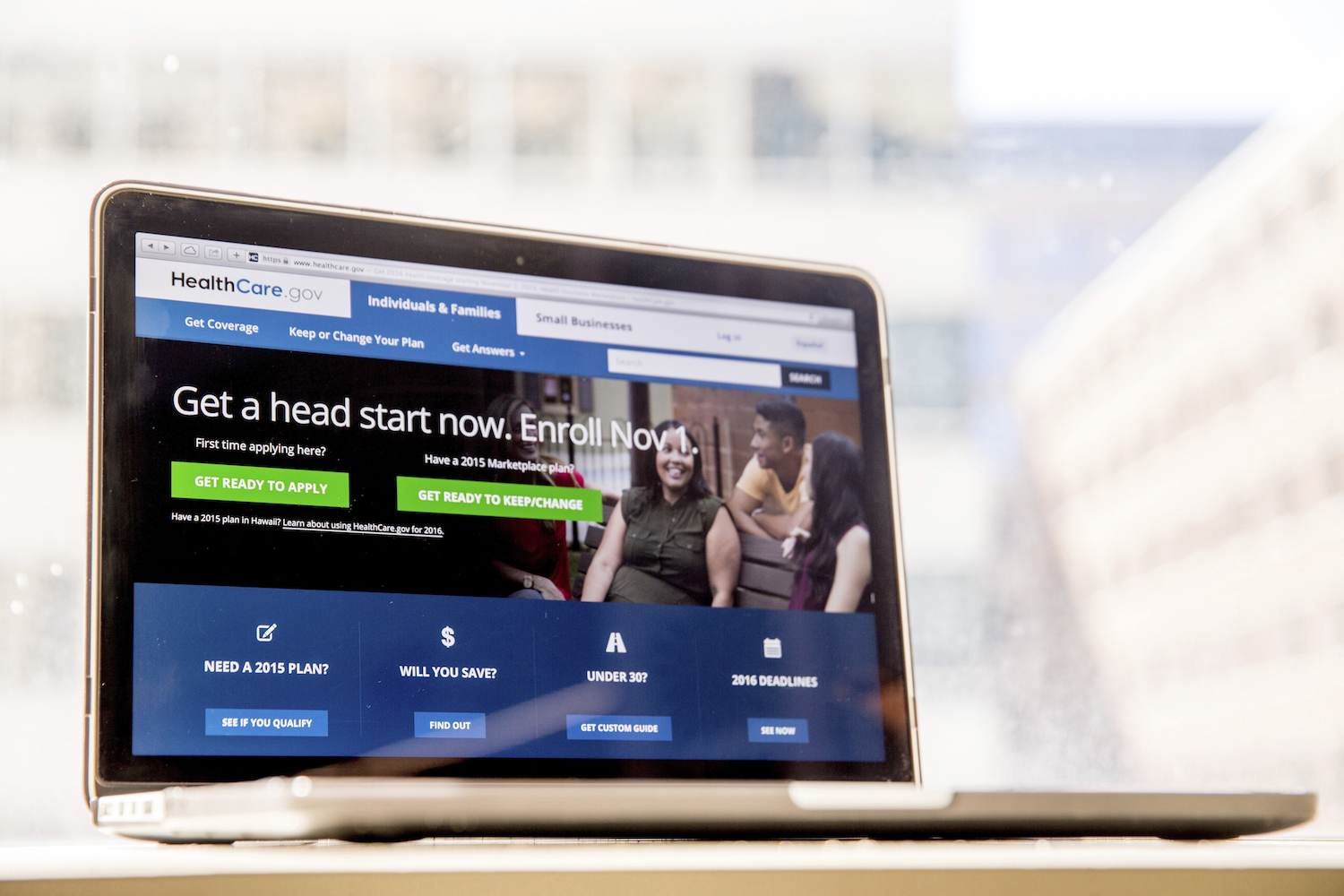
Former Obama administration officials and Obamacare supporters are blaming President Trump’s brand new administration for lower enrollment on healthcare.gov, and say Trump’s new team pulled ads aimed at getting more people to sign up.

But the Trump administration and one expert say it is unclear how that move affected enrollment, and say higher premiums and fewer plan choices are the cause of lower numbers.

The blame game is being played out in response to lower enrollment figures that healthcare.gov reported Friday. The Trump administration reported that 9.2 million people signed up for health insurance under Obamacare, reflecting 3 million new users. That’s below the 9.6 million that signed up on healthcare.gov for 2016’s coverage year, though the new numbers don’t include data from the 12 state-run exchanges, which will be released this month.

There was a noticeable dip in the number of signups in the last few weeks, when the ad pullout took effect.

Over the last two weeks of open enrollment, 376,260 people signed up. That’s about half the 686,708 people that signed up in the last week of the 2016 open enrollment, and supporters of the law say the Trump administration were a major reason for the drop.

“When President Obama left office, enrollment was outpacing last year,” Ben Wakana, a former Health and Human Services spokesman, told the Washington Examiner. “Since taking office, the new administration deliberately sabotaged the law: pulled down advertising, threatened outreach efforts and sowed uncertainty about consumer protections.”

Andy Slavitt, former acting director of the Centers for Medicare and Medicaid Services, was flummoxed by the administration’s decision to pull ads and limit outreach.

“I’ve never had to run anything that I hoped would fail, so I can’t put myself in their position,” he told CNBC. “Even carrying out policies I thought I could be improved, I always tried my best to deliver value to the American people.”

Supporters of the Affordable Care Act pointed also to an executive order from Trump issued on his first day in office that waives any financial burden on people because of the law.

“There had been concern the President Trump’s executive order challenging the [Affordable Care Act], wide publicity surrounding Republican efforts to repeal it, and the withdrawal of marketplace advertising in the final week by the Trump administration might discourage consumers from enrolling in marketplace coverage,” wrote law professor and Obamacare supporter Timothy Jost in a blog post on Health Affairs. “This has quite clearly happened.”

Enroll America, a nonprofit that coordinates with localities to boost enrollment, said the ads were on top of other factors such as the repeal talk in Congress.

“The icing on the cake was the ads being pulled before the deadline,” Jennifer Sullivan, vice president of programs, told the Washington Examiner.

But it is impossible to say exactly how reduced advertising or other factors affected enrollment, said Douglas Holtz-Eakin, president of the right-leaning think tank American Action Forum and former director of the nonpartisan Congressional Budget Office.

“We’ll never know because we will never see the world where they continue to run the ads,” he said. “The most simple explanation is the obvious one: the prices went up a lot and people didn’t buy it.”

The Trump administration noted in its initial release of the numbers that premiums went up on average by 25 percent compared to the year before. In addition, there was a 28 percent decline in insurer participation.

The Obama administration paid for $75 million in ads to run through open enrollment, which stretched from Nov. 1 to Jan. 31. Of that $75 million, the Trump administration pulled back $4 to $5 million in television and radio ads starting on Jan. 25. The administration hinted it would have pulled back more.

“Any broadcast and cable advertising that could not be refunded continued to run,” according to a current aide at Health and Human Services.

“The decision to reduce activity was limited to the most expensive and least efficient part of the outreach effort,” the aide said.

Traditional avenues for outreach such as e-mails, robo-calls, and social media remained available and personnel continued to answer e-mails and calls on enrollment.

The Trump administration added it wasn’t clear the ad pullback had an impact on open enrollment and pointed to problems with the marketplaces this year.

“An average 25 percent premium spike and significantly reduced issuer participation and consumer choice of plans nationwide all likely contributed to lower enrollment numbers,” the aide said.

Related Content
