

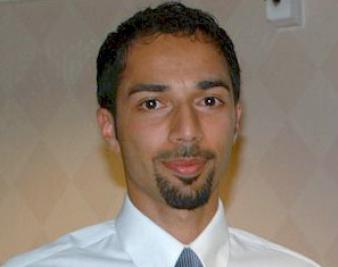
Trita Parsi has some explaining to do. The Iranian-born and Swedish-raised president of the National Iranian American Council is perhaps the most outspoken advocate for engagement with the Islamist regime in Tehran. If that posture has won him praise in certain foreign policy circles, this may be an uncomfortable moment for some of Parsi’s fans. Last Friday, a U.S. district court ruling lent some credence to the charge that Parsi is an agent of the Islamic Republic of Iran.
In his two books, numerous articles and through his work as NIAC president, Parsi calls on Western policy makers to accommodate the mullahs rather than confront them over the IRI’s sponsorship of terrorism, illegal pursuit of nuclear weapons, and abhorrent human-rights record. Such views have perversely won Parsi friends and media attention from some who applaud what they perceive as a judicious pro-engagement perspective. And yet in other circles his recommendations have raised suspicion that Parsi and his group aren’t just pushing a dovish foreign-policy agenda, but rather are advocating for the Islamic Republic.
Stay informed.Stay ahead.
Join Washington Examiner for unlimited access to the news, analysis, and commentary that matter most.
Already a member? Log in
