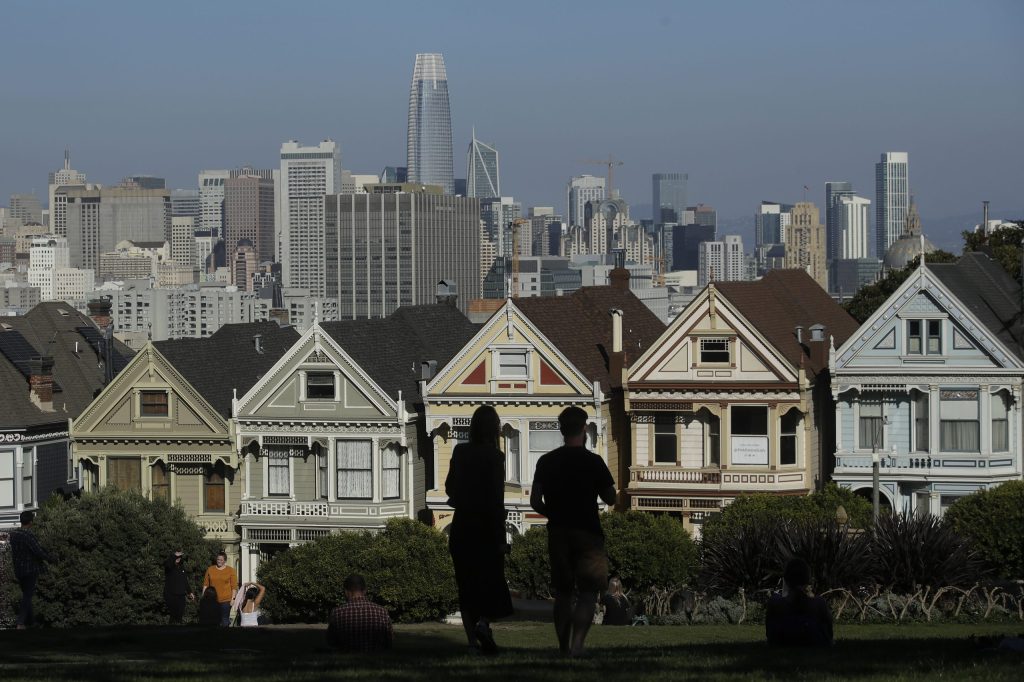
San Francisco is bleeding residents and revenue

San Francisco is already an expensive city to live in. Its nonchalant attitude toward crime and homelessness has led residents to flee, and the city is losing money as a result.

In just one year, San Francisco’s net out-migration tripled. These departing residents, on average, are wealthier than previous residents. According to tax returns from the city received between 2019 and mid-2021, the total income of departing residents was about $10.6 billion. San Francisco saw a net loss of $6.9 billion in income, dwarfing the previous year’s loss of $2.6 billion. According to census data, San Francisco suffered a 6.3% population drop between July 2020 and July 2021, the largest drop in the country.

As a result, sales tax revenue in the city went from $165 million in 2019 to $88 million in 2020, and city officials aren’t expecting a return to pre-pandemic revenue until July 2025. Residents departed for Oregon, Washington, Texas, Colorado, and other cities in California. Housing and the cost of living have been the biggest issue for California residents throughout the state, and nowhere has that problem been worse than in San Francisco.

How concerned is San Francisco with changing its ways to retain these residents? Not very. San Francisco has chosen to blacklist businesses from 28 states, including Texas, Florida, Georgia, and even purple states like Nevada. Along with those self-imposed economic restrictions, the city has spent the last few years focused on letting criminals out on the streets, renaming schools that it shut down during the pandemic, and obsessing over transgender homelessness.

San Francisco is becoming increasingly unlivable because liberal policies are making it so. The pandemic accelerated the decline of liberal cities, but this decline had been underway for years in San Francisco and elsewhere. If city officials want to stop the bleeding or win back residents who already departed, they would have to chart a new course.

Related Content