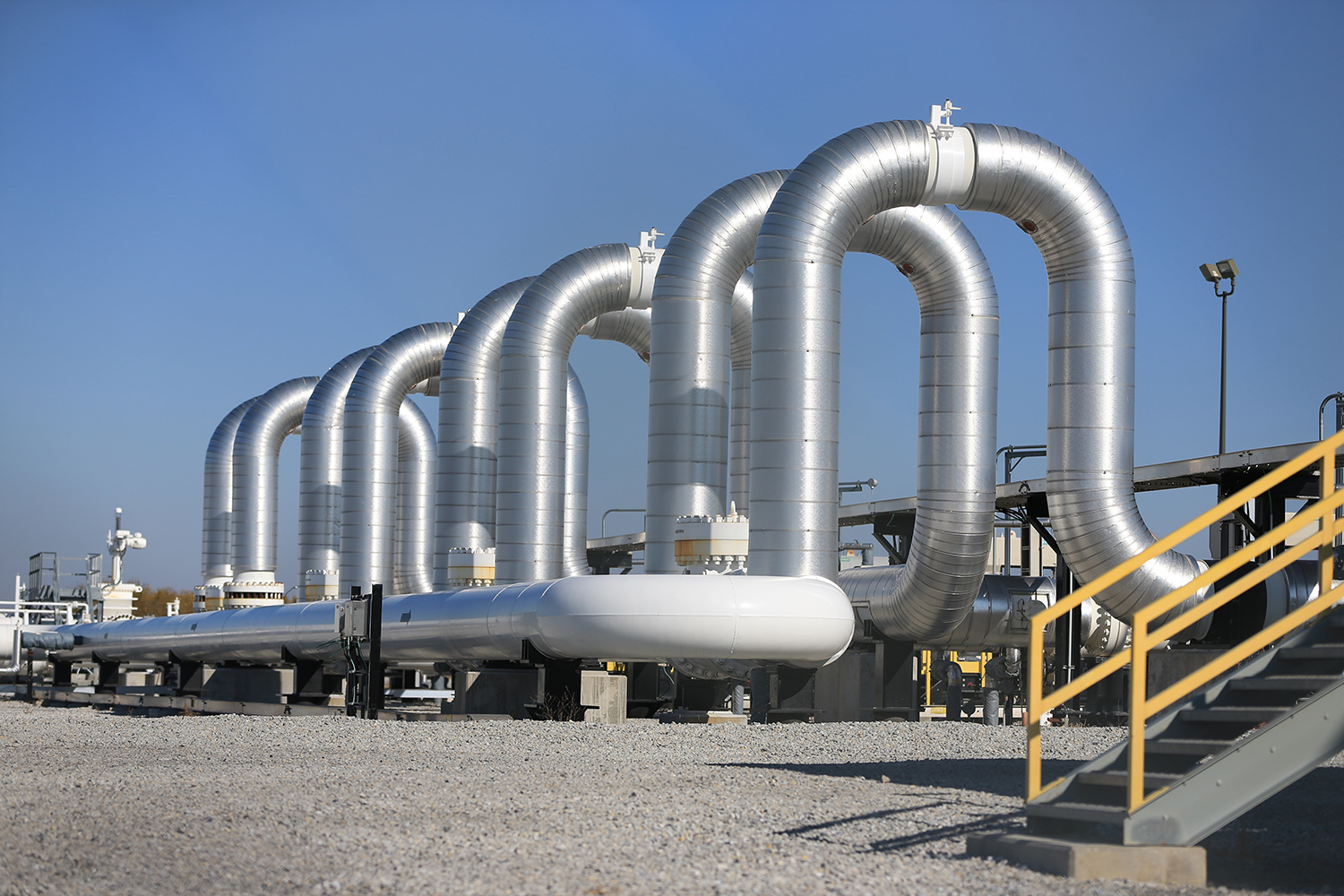
After years of stalling under President Obama, President Trump on Friday approved the Keystone XL pipeline, and the company looking to build the massive pipeline project has received its permit to finish it.
TransCanada announced Friday morning the State Department issued a permit to build the 1,187-mile pipeline stretching from Alberta, Canada to oil refineries in the Gulf Coast region of the U.S. The project had previously been stopped by President Obama in November 2015, but Trump ordered it reviewed once again during his first month in office.
“This is a significant milestone for the Keystone XL project,” said Russ Girling, TransCanada’s president and chief executive officer, in a statement. “We greatly appreciate President Trump’s administration for reviewing and approving this important initiative and we look forward to working with them as we continue to invest in and strengthen North America’s energy infrastructure.”
Obama’s decision to kill the pipeline in November 2015 after more than seven years of consideration was widely seen by oil industry figures as a political decision. The decision came just weeks before the Paris Agreement on climate change, the world’s first climate change agreement, was signed.
It was the first in a series of victories for anti-pipeline activists, a long-term fight that was then continued in the battle against the Dakota Access pipeline in North Dakota. The Obama administration delayed that project as well during its final weeks, but Trump ordered that decision reconsidered at the same time he issued his executive order on Keystone XL.
Environmentalists are concerned about the pipeline’s proximity to the Ogallala Aquifer, which provides groundwater to many Great Plains states, and the amount of oil that will be burned after being transported from the Alberta tar sands to the Gulf Coast. The pipeline is expected to move up to 830,000 barrels of oil per day.
Many in the oil industry saw the pipeline as essential because the oil taken from the tar sands in Canada is much harder to move by rail than by pipeline.
Many scientists blame the burning of fossil fuels for causing climate change and increasing temperatures around the world.
