

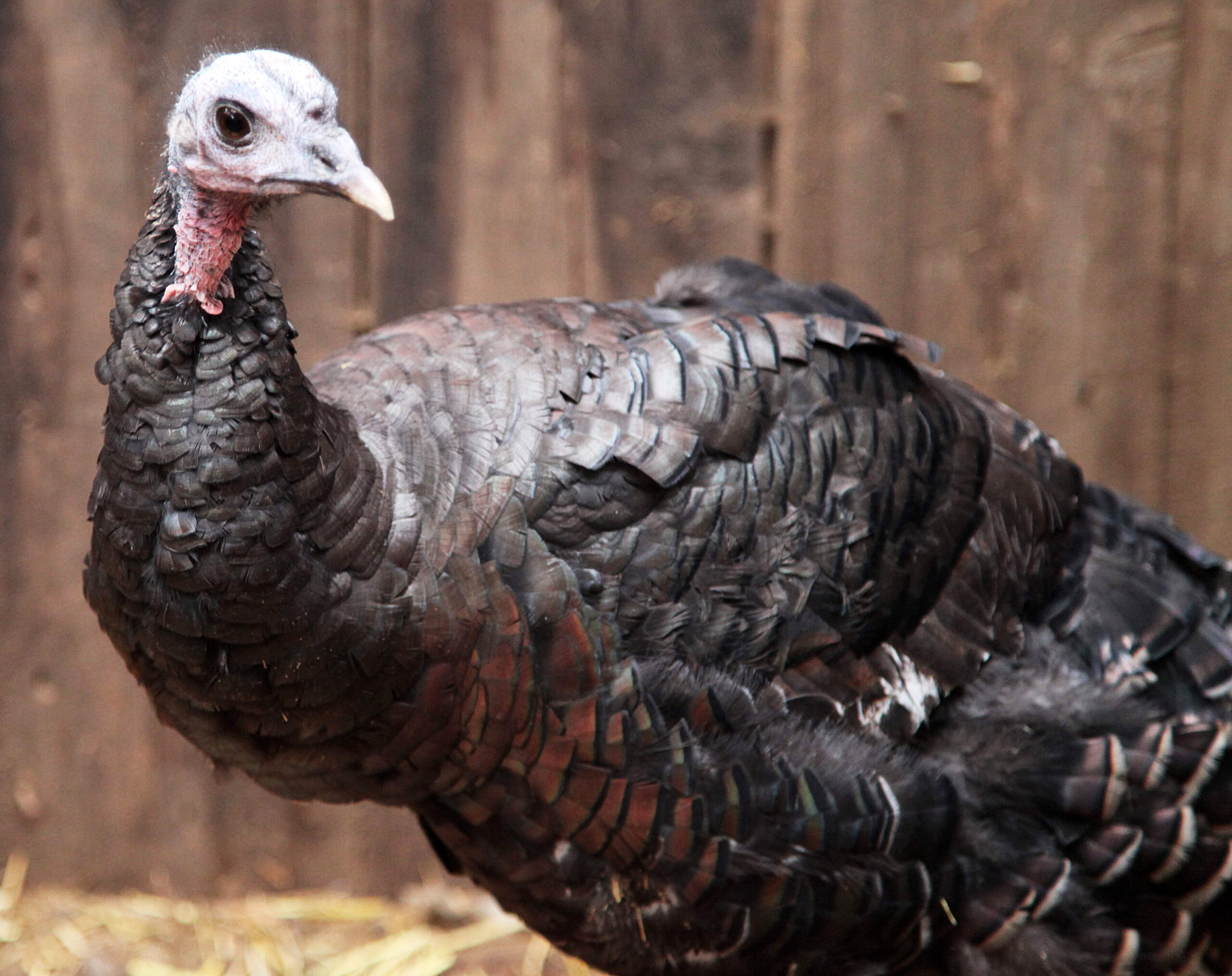
The Thanksgiving turkeys available at supermarkets around the country will be a little skinnier this year on average, the result of highly pathogenic avian influenza that hit commercial turkey flocks back in March, according to the U.S. Department of Agriculture.
USDA also said that while there should be plenty of turkeys for everyone, the disease means stores might put limits on how many birds each person can buy.
Recommended Stories



USDA wrote on Monday that the avian influenza hit turkeys in the upper midwest, and killed off more than 7.5 million commercial turkeys. The disease hit the heavier “tom turkeys” more than other kinds of birds, and tom turkeys yield more boneless meat.
“The disease had a disproportionate impact on tom flocks, leading to reduced availability of turkey meat and reduced deli meat promotions in store advertisements,” USDA said.
USDA said when the disease struck, many of the turkeys the industry was planning to sell for Thanksgiving were already frozen and ready to go. But to make up for the millions of lost turkeys, producers decided to breed a smaller type of turkey that will be sold as fresh for Thanksgiving.
“With time against them, processors opted to place hen poults into production as hens require fewer weeks to reach market weight and the industry was eager to have as many fresh whole birds available for the holiday as possible,” USDA wrote. “This does mean fewer large (tom) fresh birds are available for Thanksgiving than in years past.”
USDA predicted that while the price of frozen turkeys would stay about the same as last year, there would be “fewer heavier-weight birds for sale, and prices for fresh birds are slightly higher in many markets.”
